Understanding Thai Etiquette: Essential Do's and Don'ts for Tourists
 This photo was taken by Artem Podrez on Pexels.
Welcome to the Land of Smiles! As your local guide in Bangkok, I know that exploring our vibrant streets, bustling markets, and serene temples is an unforgettable experience. However, true connection with Thai culture goes beyond sightseeing; it begins with understanding the unwritten rules that govern daily life here. In this post, we will walk you through essential etiquette tips to ensure your visit is respectful and seamless. From the sacred significance of your head and feet to the deep reverence for our monarchy and Buddhism, and finally, how to dine like a true local with proper table manners and tipping customs, these insights will help you navigate Thailand with confidence and grace.
The Sacred Head and Feet: Body Language Rules
In Thai culture, the head is revered as the most sacred part of the body, representing the soul and intellect, while the feet are considered the lowest and dirtiest. As a visitor, you must strictly avoid touching anyone's head, even children, as this is seen as a severe insult that diminishes their spirit. Conversely, never point your feet at people or religious objects; when sitting on the floor in temples or homes, tuck your legs beneath you or sit cross-legged with the soles of your feet facing away from others to show proper respect.
This distinct hierarchy extends to how you carry yourself in public spaces and interact with locals. If you accidentally bump into someone with your foot, immediately apologize profusely, as it can be interpreted as a sign of disrespect. Furthermore, when passing by monks or Buddha images, ensure your feet are not elevated above them, such as by stepping over them or resting your shoes on a ledge near a shrine. Adhering to these unspoken rules regarding the head and feet demonstrates a deep appreciation for Thai traditions and ensures you are welcomed with warmth and gratitude by the local community.
 This photo was taken by Erik Mclean on Pexels.
Respecting the Monarchy and Buddhism
In Thailand, the monarchy and Buddhism are not merely institutions but the very pillars of national identity and social harmony, demanding the utmost respect from visitors. When discussing the King or any member of the royal family, it is imperative to maintain a tone of reverence, as the lèse-majesté laws are strictly enforced and can lead to severe legal consequences for foreigners who speak disrespectfully or display inappropriate imagery. Similarly, Buddhist temples (wats) serve as sacred spaces where decorum is paramount; always remove your shoes before entering temple buildings, dress modestly with shoulders and knees covered, and never touch monks if you are female or sit higher than them, as these actions violate deeply held cultural norms regarding spiritual hierarchy.Beyond specific rules of conduct, understanding the underlying philosophy of "kreng jai" (consideration) helps tourists navigate interactions with locals gracefully. This concept encourages avoiding confrontation or causing embarrassment to others, which extends to how one treats religious artifacts and royal portraits found in public spaces; pointing feet at Buddha images or stepping on currency featuring the King's likeness is considered highly offensive. By approaching these traditions with an open mind and a humble attitude, you not only avoid unintentional faux pas but also deepen your appreciation for the serene and respectful atmosphere that defines the Thai way of life, ensuring your journey through Bangkok remains a memorable and positive experience for both you and the people you meet.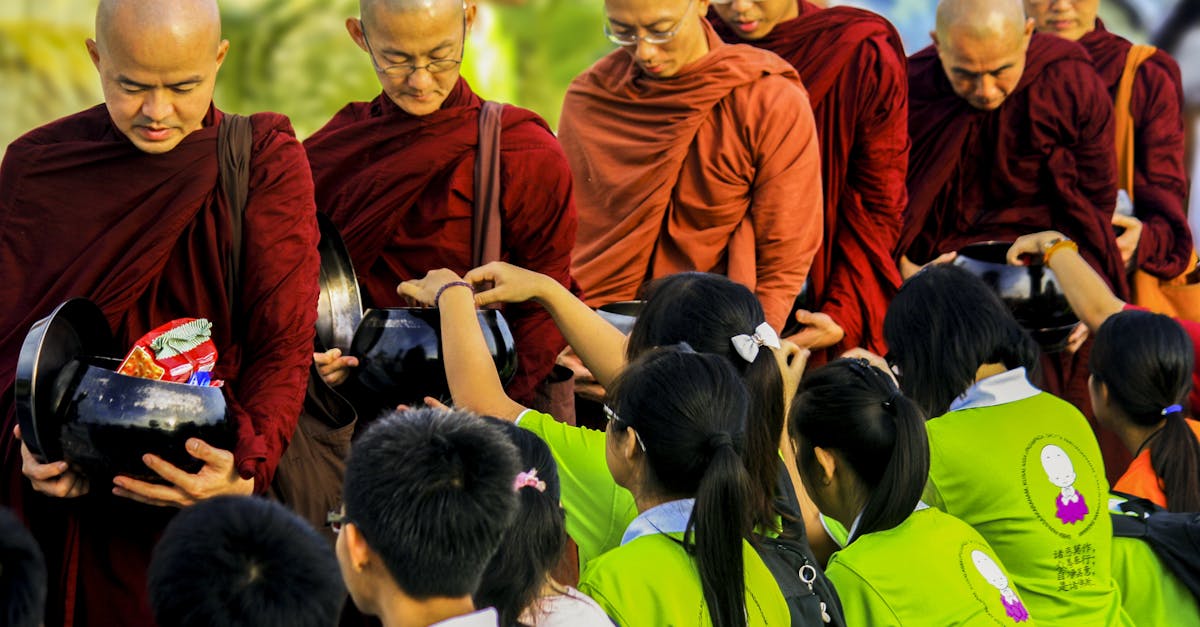 This photo was taken by Pixabay on Pexels.
Dining Like a Local: Table Manners and Tipping
When dining like a local in Bangkok, remember that the spoon is your primary utensil while the fork is used only to push food onto it; using chopsticks is generally reserved for noodle dishes or Chinese-style meals. As you enjoy your meal, keep your elbows off the table and avoid passing food directly from one person's chopsticks to another, as this mimics funeral rites. If you are eating at a shared table, wait for the eldest or most senior guest to take the first bite before you begin, and never leave your chopsticks standing upright in a bowl of rice, as this resembles incense sticks offered to the dead.
Tipping in Thailand is not strictly mandatory but is deeply appreciated as a gesture of gratitude for good service. In casual street food stalls or local markets, leaving small change is common practice, whereas in mid-range restaurants, a 10% tip is standard if no service charge has been added to the bill. For high-end hotels and fine dining establishments, check your receipt first, as a 10% service charge is often included automatically; if so, an additional small tip of 20 to 50 baht is a polite way to acknowledge exceptional staff. Always hand money gently with your right hand or both hands, as using the left hand alone can be considered rude in Thai culture.
 This photo was taken by Maria Orlova on Pexels.