Understanding Thai Etiquette: Do's and Don'ts for Tourists
 This photo was taken by Artem Podrez on Pexels.
Welcome to the Land of Smiles! As your local guide in Bangkok, I know that visiting Thailand is an adventure filled with vibrant street markets, golden temples, and unforgettable flavors. However, the true magic of this destination often lies in understanding the subtle social codes that govern daily life here. Whether you are wandering through the bustling streets of Sukhumvit or seeking tranquility at a riverside temple, knowing the right way to behave can transform a good trip into a memorable experience. In this post, we will explore essential Thai etiquette, from the deep reverence shown to the Monarchy and Buddhism to the graceful art of polite interaction and the specific customs of dining like a true local. Let's dive in so you can travel with confidence, respect, and a heart full of joy.
Respecting the Monarchy and Buddhism
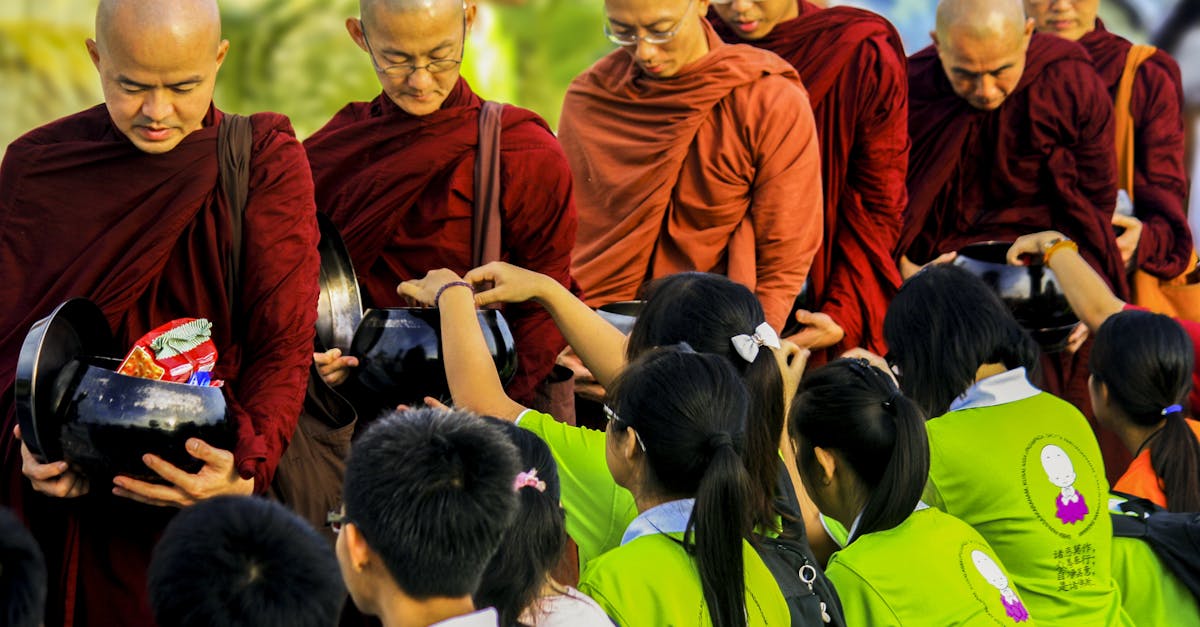
In Thailand, the monarchy and Buddhism are deeply intertwined pillars of national identity that demand the utmost respect from visitors. When visiting temples or royal palaces, you must dress modestly by covering your shoulders and knees, and always remove your shoes before entering sacred spaces. It is crucial to maintain a dignified posture; never sit with your feet pointing toward Buddha images or any religious icon, as this is considered highly offensive. Furthermore, while taking photographs inside most temple halls is prohibited, it is strictly forbidden to climb on or touch any statues, which are treated with reverence as living embodiments of spiritual presence.
Equally important is showing deference to the Thai Royal Family, whose image appears on currency and in public buildings. Under Thai law, it is illegal to speak disrespectfully about the King, Queen, or heirs to the throne, and tourists should avoid any gestures or comments that could be interpreted as mocking or trivializing the institution. You will often see Thais standing quietly when the national anthem plays at cinemas or sporting events; while foreigners are not legally required to join in, observing this moment of silence demonstrates cultural awareness and appreciation for local customs. By adhering to these protocols, you not only avoid legal repercussions but also foster genuine connections with the warm-hearted people who take immense pride in their heritage.
 This photo was taken by Pixabay on Pexels.
Mastering the Art of Polite Interaction
In the vibrant heart of Bangkok, your journey begins with a simple yet profound gesture known as the wai, a respectful greeting where palms are pressed together in a prayer-like position while bowing slightly. Mastering this art is essential; remember to initiate the wai with someone younger or of lower status only after they have greeted you first, and always return it with a slight bow when elders, monks, or service staff offer theirs. The height of your hands and the depth of your bow indicate the level of respect you wish to convey, so observe locals closely to gauge the appropriate response. Beyond greetings, maintaining a calm demeanor and avoiding public displays of anger or frustration is crucial, as Thais value jai yen (a cool heart) above all else, believing that losing one's temper disrupts the social harmony that defines their culture.
Equally important is understanding the sanctity of the head and feet, which form the core of Thai body language etiquette. Never touch anyone on the head, even children, as it is considered the most sacred part of the body housing the soul, and conversely, avoid pointing your feet at people, Buddha images, or altars, since feet are viewed as the lowest and dirtiest part of the body. When sitting on the floor in temples or traditional settings, tuck your legs underneath you rather than stretching them out towards others, and always remove your shoes before entering homes, shops, and religious sites. By adhering to these subtle yet significant rules, you demonstrate not just knowledge, but genuine appreciation for Thai customs, ensuring that your interactions are met with warmth and hospitality throughout your stay in Thailand.
 This photo was taken by Lucas Porras on Pexels.
Dining Like a Local: Table Manners and Customs
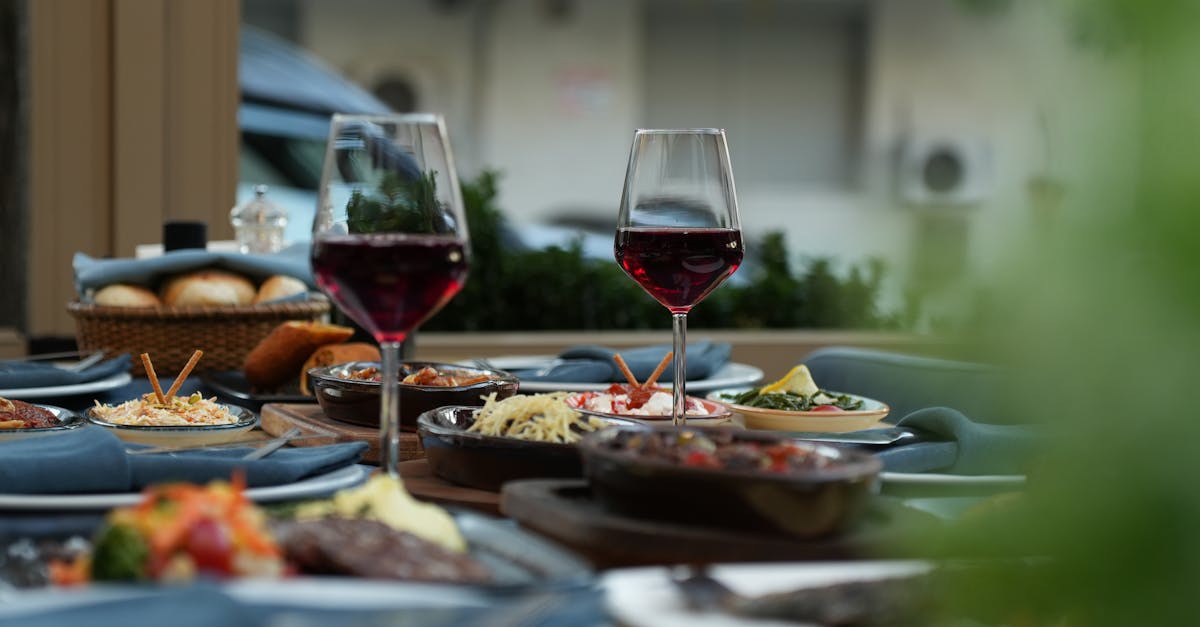
In Bangkok, dining is a communal affair where the spirit of sharing takes precedence over individual portions. As you settle in at a local eatery or a family-style restaurant, remember that food is often placed in the center of the table for everyone to enjoy together; never take the last bite from a shared dish unless it is offered to you by the host, as this can be seen as greedy. When eating with your hands, which is common in many rural areas and traditional settings, always use only your right hand, as the left is traditionally considered unclean. Even when using utensils, which are standard in urban Bangkok, keep your fork in your left hand to push food onto the spoon held in your right, rather than cutting food with a knife, as knives are rarely used at the Thai dining table.
Table manners also extend to how you handle your meal and interact with others during the feast. It is polite to leave a small amount of rice on your plate to signal to the host that you are fully satisfied, whereas finishing every single grain might imply they did not provide enough food. If you are invited into a home, wait for the eldest person to begin eating before you start, and try not to make loud noises while chewing. Finally, when finished, place your chopsticks or spoon neatly on the side of your bowl or plate rather than sticking them upright in the rice, as this resembles incense sticks used in funeral rites and is considered highly disrespectful. Embracing these subtle customs will show your respect for Thai culture and greatly enhance your culinary experience in the Land of Smiles.
 This photo was taken by Busenur Demirkan on Pexels.