Understanding Thai Culture: Etiquette and Traditions for Travelers
 This photo was taken by Quang Nguyen Vinh on Pexels.
Welcome to the Land of Smiles! As you step off the plane in Bangkok, you are greeted by a vibrant tapestry of ancient traditions and modern energy that defines Thai culture. To truly immerse yourself in this magical destination, understanding the subtle nuances of local etiquette is just as important as packing your favorite outfit. From the graceful art of the wai greeting to the deep reverence shown toward the monarchy and Buddhism, these customs form the heart of daily life here. Even something as simple as sharing a meal requires a touch of cultural awareness to show respect to your hosts. In this guide, we will walk you through the essential traditions and table manners that will help you navigate Thailand with confidence, ensuring your journey is filled with meaningful connections and unforgettable experiences.
The Sacred Wai: Mastering the Art of Thai Greetings
Welcome to the Kingdom of Smiles, where your first interaction with a local sets the tone for your entire journey through Bangkok. The Wai is far more than a simple hello; it is a profound gesture of respect that involves pressing your palms together in a prayer-like position while bowing your head slightly. As a traveler, mastering this greeting shows immediate cultural awareness, but remember that the height of your hands and the depth of your bow depend on who you are greeting: a lower hand position and slight nod is appropriate for peers, while raising your hands higher with a deeper bow is reserved for monks, elders, or those of high status. Never initiate a Wai with service staff or children, as they will typically offer the gesture first to show their own respect.
In our bustling city, from the grandeur of the Grand Palace to the quiet corners of local markets, observing the Wai correctly bridges the gap between visitor and host, turning a transaction into a connection. If someone offers you a Wai, always return it, even if you are just passing by on the street, as refusing can be perceived as rude or arrogant. While tourists are often forgiven for minor slips in protocol due to our warm hospitality, making an effort to learn this sacred art demonstrates humility and a genuine desire to embrace Thai traditions. By approaching every encounter with grace and the proper Wai, you open doors to richer experiences and warmer smiles throughout your adventure in Thailand.
 This photo was taken by Erik Mclean on Pexels.
Respect for the Monarchy and Buddhism in Daily Life
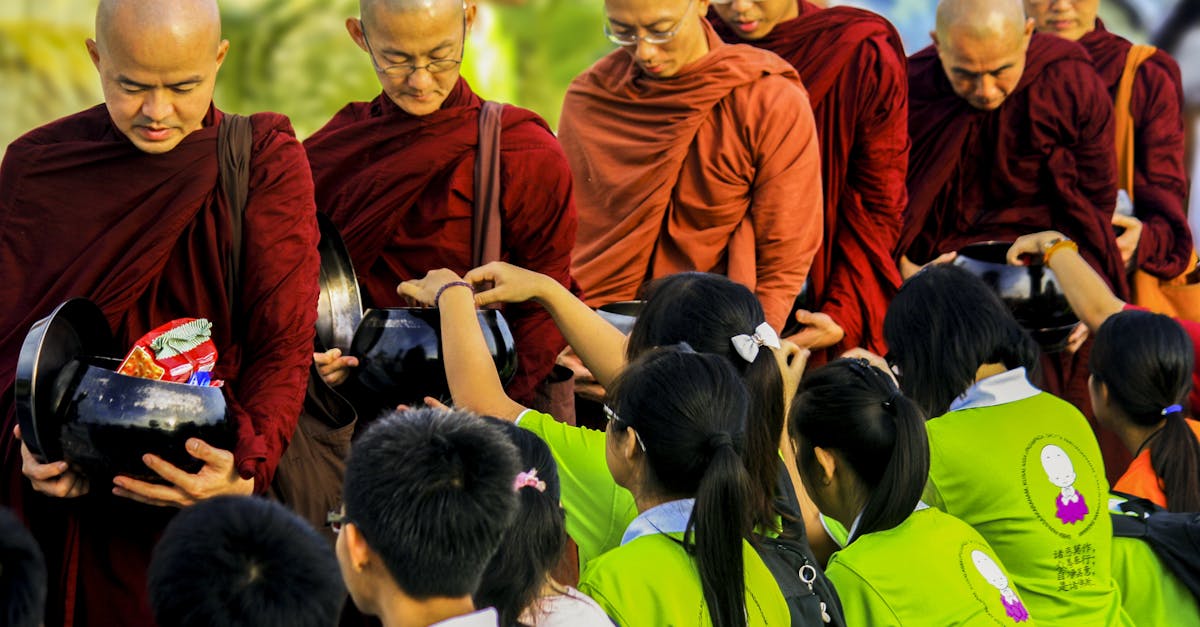
In Thailand, the monarchy and Buddhism are not merely religious or political institutions but the very heart of daily life, deeply intertwined with the national identity. As a visitor, showing respect for the King is paramount; you should always stand when the Royal Anthem plays in cinemas or public spaces and handle any currency or images bearing the King's likeness with reverence, never placing them on the floor or allowing them to be disrespected. Similarly, Buddhist temples (wats) serve as sacred community hubs rather than just tourist attractions, requiring visitors to dress modestly by covering shoulders and knees before entering. It is customary to remove your shoes at the entrance and sit respectfully, often in a lotus position or kneeling, while observing the serene atmosphere that guides both locals and travelers toward mindfulness.
Beyond formal rituals, this profound respect permeates everyday interactions through the concept of kreng jai, a gentle consideration for others' feelings that stems from Buddhist teachings on compassion. You will notice that Thais rarely raise their voices or show anger openly, as maintaining harmony and "saving face" for everyone involved is crucial. When visiting a home or a temple, it is polite to bow slightly using the wai gesture—a prayer-like motion of palms pressed together—to greet elders or monks, who are held in the highest esteem. By observing these subtle cues and approaching every interaction with humility and grace, you demonstrate an appreciation for the values that make Thai society unique, ensuring your journey is met with warmth and genuine hospitality.
 This photo was taken by Pixabay on Pexels.
Dining Like a Local: Table Manners and Food Customs
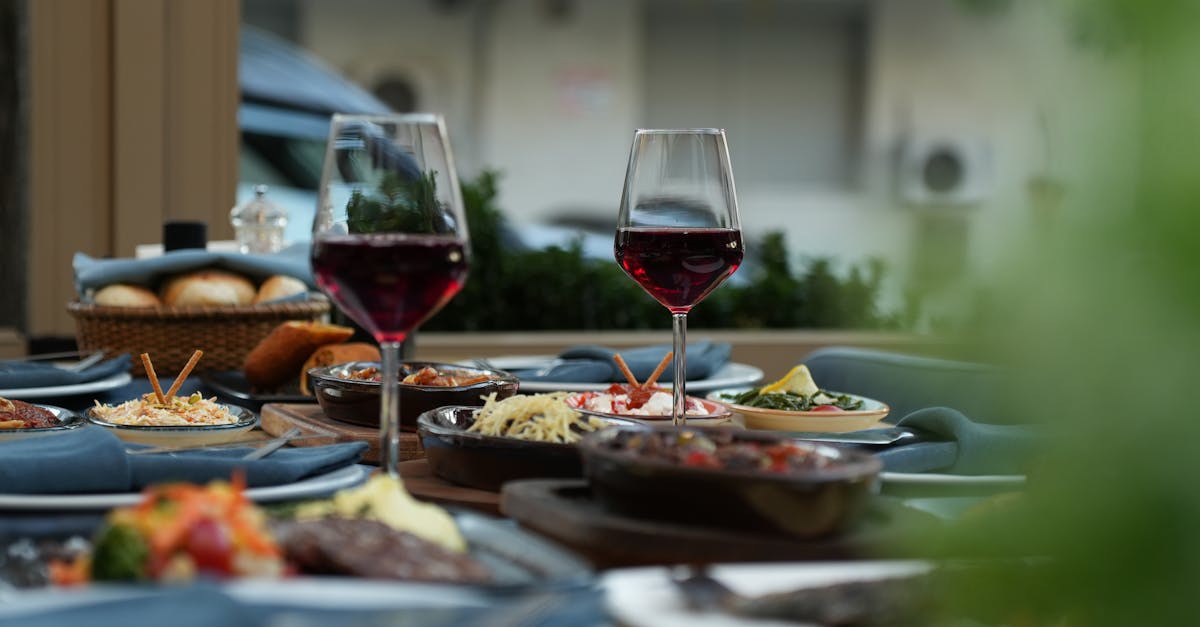
In Bangkok, dining is a communal affair where the act of sharing is as important as the flavors themselves. When eating at a local restaurant or a street food stall, you will notice that dishes are placed in the center for everyone to share, and it is considered polite to wait for an elder or the host to start first. A key custom to remember is never to stick your chopsticks upright in a bowl of rice, as this resembles incense sticks used for the dead; instead, rest them on the side of the bowl or plate. While Westerners often leave a small amount of food to show they are full, in Thai culture, finishing everything on your plate is the ultimate compliment to the chef, indicating that the meal was thoroughly enjoyed.
The utensil etiquette in Thailand is distinct from many other Asian cultures, relying primarily on a spoon and fork rather than chopsticks. You should hold the fork in your left hand to push food onto the spoon held in your right hand, using the spoon as your primary vessel for bringing food to your mouth. It is also vital to be mindful of the "wai," the traditional greeting, but specifically during meals, avoid pointing your feet toward others or the Buddha images if you are in a temple restaurant, as feet are considered the lowest and dirtiest part of the body. Finally, when passing the bill, locals often prefer to split the check equally among friends, though tipping is not mandatory, leaving small change or rounding up the bill is a appreciated gesture for good service in bustling Bangkok eateries.
 This photo was taken by Busenur Demirkan on Pexels.