Traditional Thai Massage: Where to Find Authentic Spas
 This photo was taken by Erik Mclean on Pexels.
Welcome to the heart of Bangkok, where the art of healing has been woven into our culture for centuries. If you have ever found yourself tangled in knots after a day of exploring the Grand Palace or navigating the bustling streets of Chinatown, you are not alone; millions of visitors come here seeking the restorative power of Traditional Thai Massage. Yet, with thousands of spas lining every corner from Sukhumvit to Silom, finding an authentic experience that honors the ancient techniques passed down through generations can feel like searching for a needle in a haystack. In this guide, we will journey beyond the glossy storefronts and tourist traps to uncover the true soul of Thai wellness. From the historic foundations of Old Bangkok to quiet neighborhood gems known only to locals, and finally, how to distinguish a master therapist from the rest, get ready to discover the genuine healing traditions that make Thailand a world-renowned destination for relaxation.
The Golden Triangle of Authenticity: Historic Spas in Old Bangkok
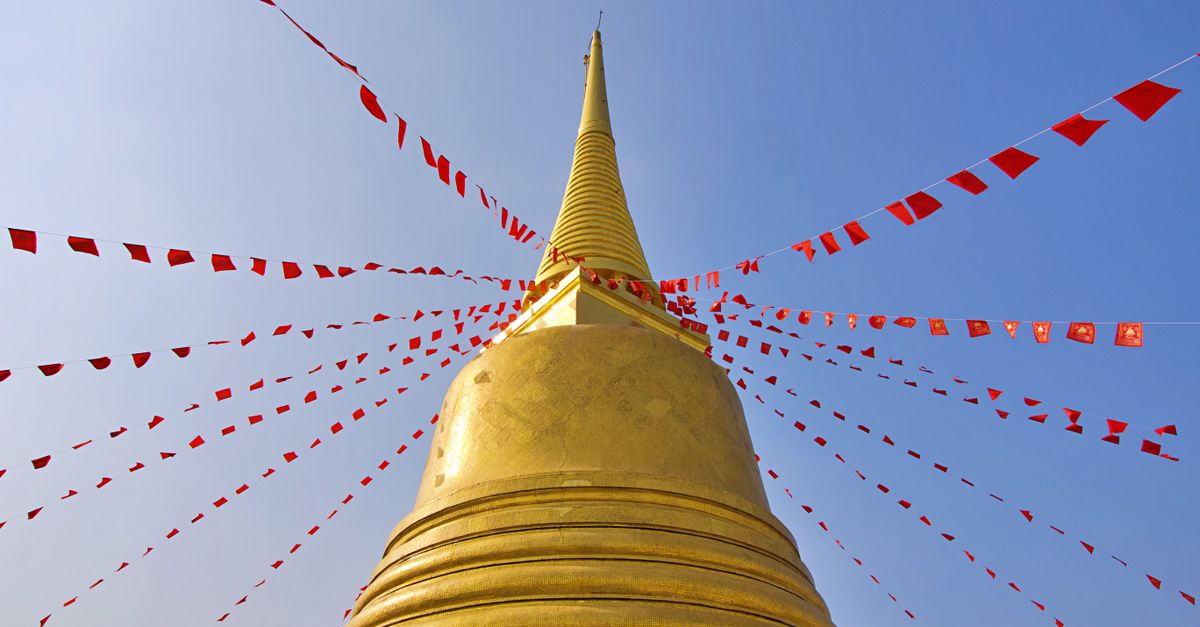
Step into the misty, jasmine-scented air of Old Bangkok, where the rhythmic clatter of wooden massage tools echoes against centuries-old teak walls, offering a sanctuary far removed from the city's neon chaos. In this historic enclave, authentic spas are not merely businesses but living museums of Thai wellness, preserving the ancient art of Nuad Boran (traditional Thai massage) passed down through generations of healers. Unlike the standardized chains found in modern shopping malls, these family-run establishments often operate out of restored shophouses or serene courtyards near the Chao Phraya River, where the therapist's touch is guided by deep knowledge of Sen energy lines and traditional herbal compresses that have soothed travelers since the Rattanakosin era.
To experience the true essence of this heritage, seek out spots tucked away along narrow soi lanes like those near Wat Pho or the quiet backstreets of Samphanthawong, where the air is thick with the aroma of lemongrass oil and turmeric. Here, you will find practitioners who still use the time-honored method of stretching and acupressure without the aid of tables, working directly on floor mats to realign your body's energy while sharing stories of local folklore over a cup of hot ginger tea. By choosing one of these historic sanctuaries, you are not just indulging in a relaxing treatment; you are participating in a cultural ritual that has defined Bangkok's identity for centuries, ensuring that the spirit of authenticity remains vibrant amidst the bustling metropolis.
 This photo was taken by Boo Normi on Pexels.
Beyond the Tourist Trail: Hidden Gem Massage Parlors in Local Neighborhoods
While the bustling streets of Khao San Road and the grand avenues near the Grand Palace offer countless massage options, some of the most authentic experiences are tucked away in quiet alleyways of local neighborhoods like Phra Nakhon or Thon Buri. These hidden gem parlors often lack flashy signage, relying instead on a simple wooden sign or a friendly nod from the owner to welcome weary travelers. Here, you will find therapists trained in generational techniques that focus not just on relaxation, but on balancing your body's energy lines according to ancient Thai wisdom, all within an atmosphere that feels more like visiting a neighbor's home than a commercial spa.Venturing off the beaten path allows you to experience prices that are significantly lower than those found in tourist hotspots, without compromising on the quality of the treatment. In these intimate settings, the air is often filled with the scent of traditional herbal compresses and jasmine oil, creating a sensory retreat that transports you away from the city's chaotic traffic. By choosing one of these local sanctuaries, you support small family businesses and gain a deeper appreciation for Bangkok's cultural heritage, making your journey through the city far more meaningful and memorable than a standard tourist visit could ever be. This photo was taken by Juanjo Menta on Pexels.
Decoding the Craft: How to Spot a Genuine Thai Therapist
When navigating the bustling streets of Bangkok, distinguishing a genuine Thai massage therapist from a superficial practitioner requires keen observation of their technique and environment. Authentic therapists typically undergo rigorous training at recognized institutions like Wat Pho or Chulalongkorn University, where they master the intricate art of Sen lines—the invisible energy pathways running through the body. Unlike Western styles that focus primarily on muscle manipulation, a true Thai massage is characterized by rhythmic stretching, deep pressure applied with palms, thumbs, elbows, and even feet, all performed while the recipient remains fully clothed on a firm mat on the floor. If you notice a therapist working exclusively on a raised bed with oils or focusing solely on kneading without any stretching, it is likely a different style of massage rather than traditional Thai healing.
Furthermore, the atmosphere of an authentic spa often reflects a commitment to tradition and wellness rather than just commercial efficiency. Genuine establishments frequently feature serene decor with natural elements such as bamboo, teak wood, and aromatic herbs like lemongrass and turmeric, creating a sanctuary that soothes the senses before the treatment begins. You can also gauge authenticity by asking about the lineage of the clinic or the specific school of practice; reputable spas will proudly share stories of their masters and the historical roots of their techniques. Remember that in Thailand, a proper session usually lasts 60 to 120 minutes and includes a consultation to assess your physical condition, ensuring the therapy is tailored specifically to your needs rather than being a rushed, standardized routine.
 This photo was taken by Erik Mclean on Pexels.