The Ultimate Street Food Guide: Where to Eat Like a Local
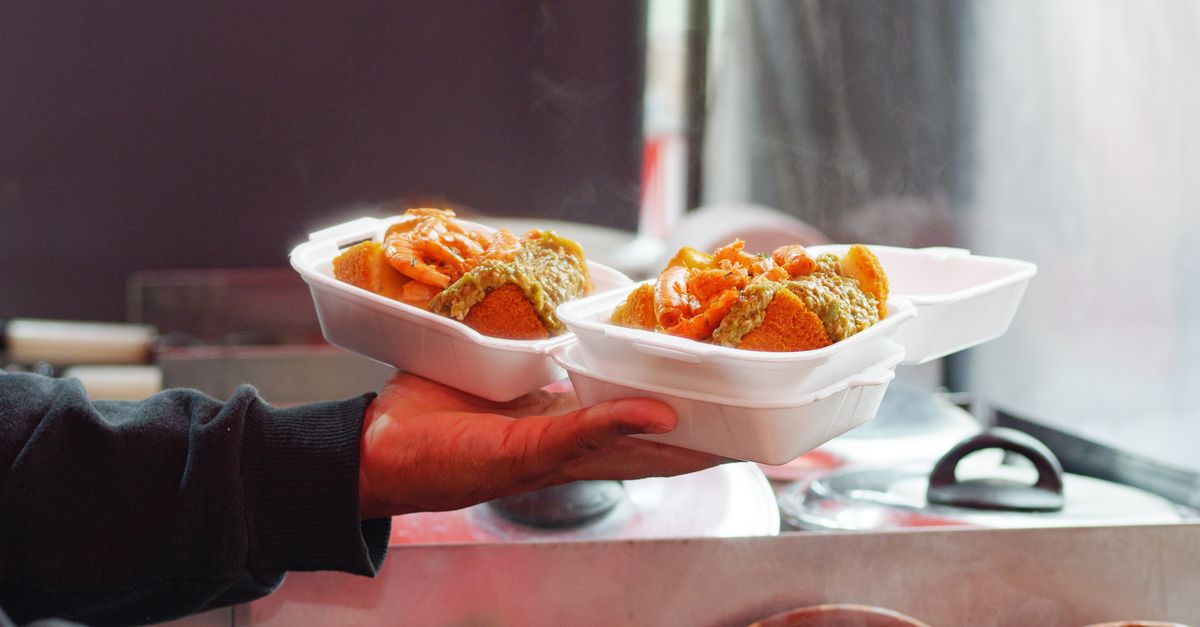 This photo was taken by Marlon Marinho on Pexels.
Hidden Gems in Chinatown's Night Markets
While Yaowarat Road dazzles with its neon-lit crowds and famous gold shops, the true magic of Bangkok's Chinatown often hides in the narrow alleyways branching off the main drag. Venture down Soi 11 or the winding lanes near Wat Traimit to discover stalls that have been serving generations of locals for decades, far away from the tourist traps. Here, you can find the legendary "Moo Ping" skewers grilled over charcoal until they are perfectly charred, or try the elusive crab omelet made by vendors who have perfected their technique over thirty years. These tucked-away gems offer an authentic culinary experience where the only language barrier is the mouth-watering aroma wafting through the humid night air.
As the sun sets, these hidden corners transform into a bustling open-air kitchen where the energy is palpable and the flavors are unapologetically bold. Seek out the small wooden carts parked under flickering streetlights, selling everything from spicy papaya salad tossed in clay mortar to sweet desserts like sticky rice with mango that melt in your mouth. Unlike the crowded main thoroughfares, these intimate spots allow you to chat with the owners, learn the stories behind their signature dishes, and taste ingredients that haven't changed since the market first opened. By exploring these lesser-known alleys, you aren't just eating dinner; you are stepping into the heart of Bangkok's living history, one bite at a time.
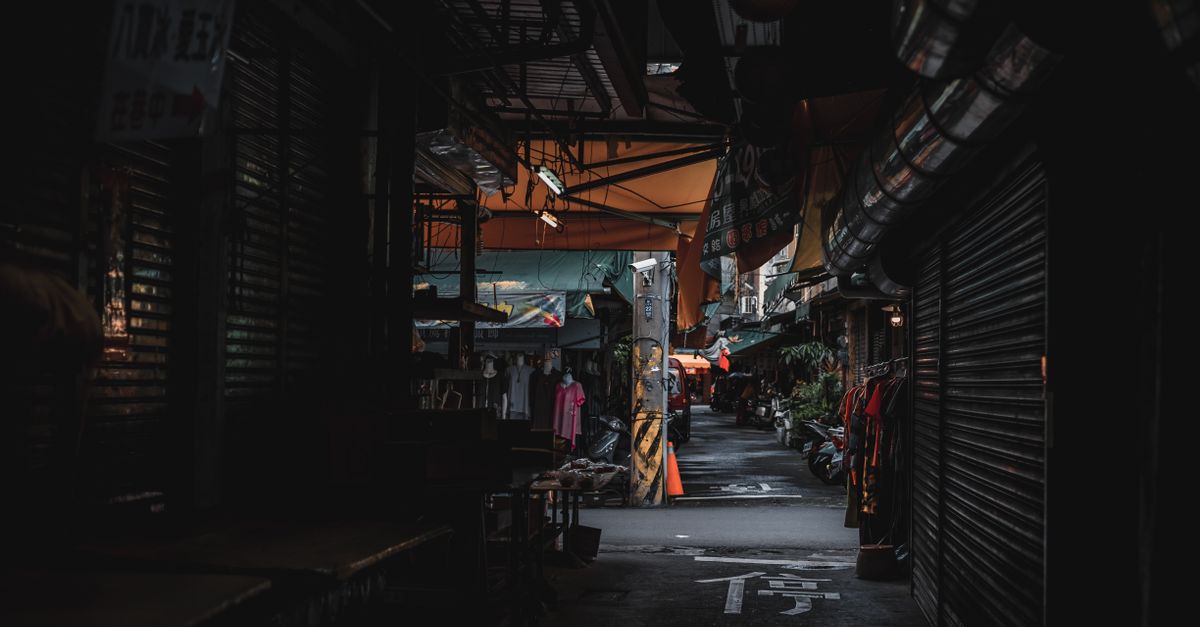 This photo was taken by Kai-Chieh Chan on Pexels.
Beyond the Tourist Trail: Bangkok's Secret Food Alleys
 This photo was taken by Erik Mclean on Pexels.
Must-Try Local Dishes and How to Order Like a Pro
Bangkok's culinary soul beats strongest in its street food stalls, where dishes like Pad Thai stir-fried to perfection over roaring woks and the fiery, aromatic chaos of Tom Yum Goong await your palate. For a truly authentic experience, seek out the vibrant night markets of Chinatown or the bustling corners of Thip Samai for their legendary Pao Pad Kra Pao (holy basil stir-fry with minced pork). When ordering, don't be shy to point at what looks delicious; if you can read Thai script on the menu, look for "Pet" (spicy) or "Mai Pet" (not spicy), but remember that the heat levels are often subjective, so asking for "Mild" (Noi Ngod) is your safest bet unless you are a true chili enthusiast ready for the local challenge.
To order like a pro, embrace the art of pointing and nodding while mastering a few essential phrases: "Aroi Mak" means very delicious, and "Chai Mai" tells the vendor you want extra ingredients. Don't forget to specify your preference for noodles by saying "Sen Lek" for thin rice noodles or "Sen Yai" for wide ones, as this small detail can transform your dish from good to exceptional. Finally, always carry small change for the 10 to 40 baht prices typical of street food, and keep an eye out for plastic stools outside the stall—a sign that you've found a spot where locals gather daily to enjoy the city's most affordable and flavorful meals.
 This photo was taken by Vitaly Gariev on Pexels.