The Ultimate Guide to Exploring Bangkok's Grand Palace and Wat Arun
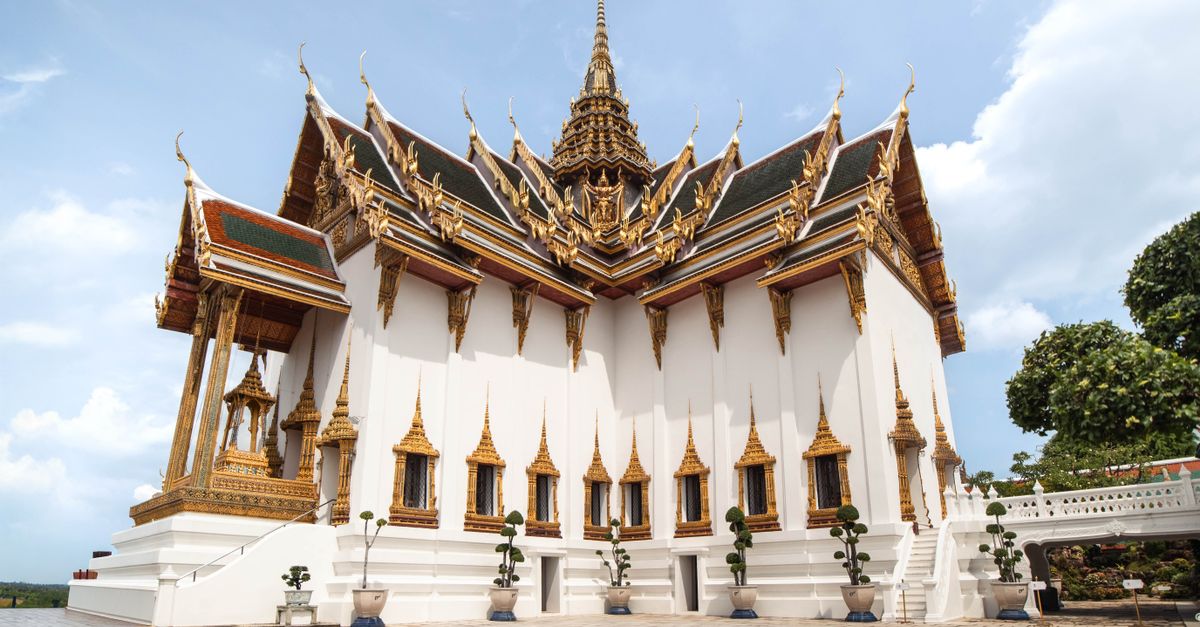 This photo was taken by Ruben Boekeloo on Pexels.
Welcome to the heart of Thailand, where ancient history meets vibrant modern life. As your local guide in Bangkok, I am thrilled to introduce you to two of the city's most iconic landmarks: the majestic Grand Palace and the shimmering Wat Arun. These architectural wonders are not just sightseeing spots; they are living testaments to the rich cultural heritage and spiritual devotion that define this extraordinary kingdom. Whether you are a first-time visitor or a seasoned traveler looking to deepen your understanding, our journey begins here. In this ultimate guide, we will take you on an immersive tour through the royal splendor of the Grand Palace, show you how to cross the Chao Phraya River to reach the Temple of Dawn at Wat Arun, and share essential etiquette and practical tips to ensure your temple visit is both respectful and unforgettable. Get ready to explore the golden spires and intricate details that make Bangkok a truly magical destination.
Unveiling the Royal Splendor: A Deep Dive into the Grand Palace
Stepping through the towering gates of the Grand Palace, you are immediately transported into a world where artistry meets spirituality, revealing a breathtaking tapestry of Thai history and royal heritage. This sprawling complex, once the official residence of the Kings of Siam since 1782, is dominated by the magnificent Wat Phra Kaew, or Temple of the Emerald Buddha, whose golden spires and intricate mosaic details shimmer under the tropical sun. As you wander past the Chakri Maha Prasat Hall and the ornate Dusit Maha Prasat Throne Hall, every carved pillar and painted mural tells a story of legends, ancient rituals, and the unwavering devotion that defines the Kingdom's identity.
To truly appreciate the splendor here, it is essential to dress modestly with shoulders and knees covered, respecting the sacred nature of this living museum while immersing yourself in its grandeur. The palace grounds offer a sensory feast, from the vibrant colors of the guardian statues guarding the entrances to the serene courtyards where sunlight filters through the delicate gold leaf decorations. While the architecture is designed to awe, the true magic lies in understanding how this site has served as the spiritual heart of Thailand for centuries, making your visit not just a sightseeing tour, but a profound journey into the soul of Bangkok's monarchy and culture.
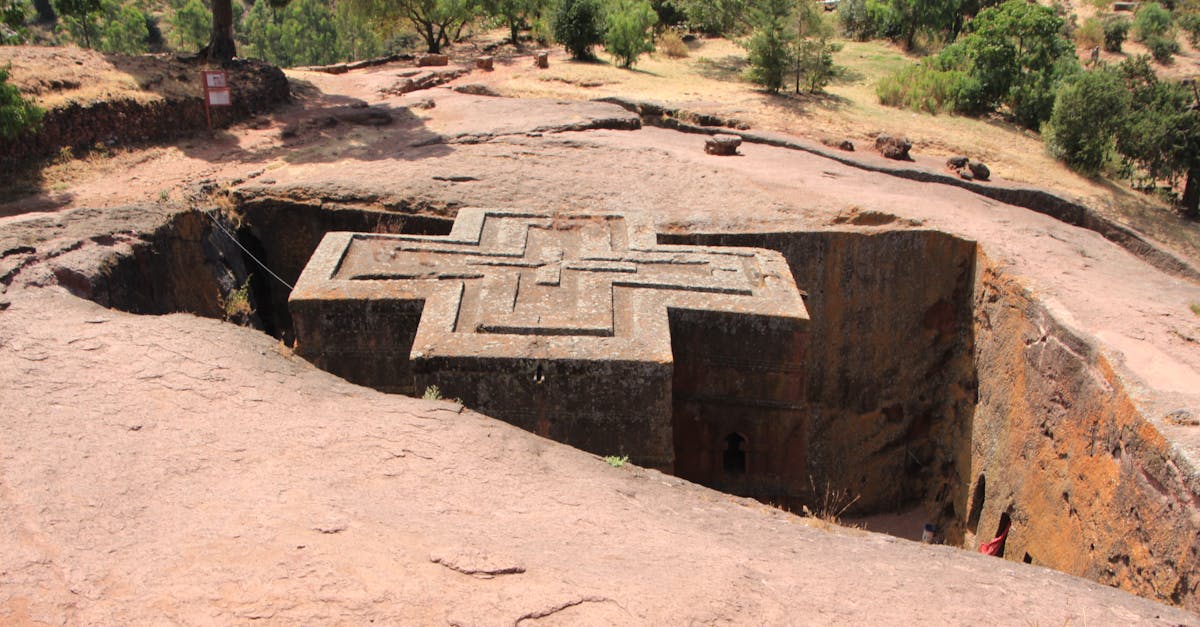
 This photo was taken by Jean-Paul Wettstein on Pexels.
Crossing the Chao Phraya to the Temple of Dawn at Wat Arun
After exploring the intricate corridors of the Grand Palace, the journey to Wat Arun begins with a charming ferry ride across the Chao Phraya River, offering some of the most iconic views of Bangkok's skyline. Hop aboard one of the colorful long-tail boats or the public river ferries from Tha Tien Pier, where the gentle breeze carries the scent of jasmine and the distant hum of city life fades into the rhythm of lapping water. As your vessel glides past the historic Thonburi side of the river, you will witness the Temple of Dawn rising majestically against the horizon, its central prang towering over the water like a celestial mountain adorned with millions of pieces of colorful Chinese porcelain that shimmer in the sunlight.
Upon disembarking at the temple grounds, prepare to ascend the steep, ornately decorated staircases flanking the main prang, which reward your climb with breathtaking panoramic vistas of the river and the bustling metropolis beyond. The architecture here is a stunning testament to Thai craftsmanship, blending traditional Khmer influences with local artistry as you navigate through the smaller chedis and shrines filled with golden Buddha statues and vibrant murals depicting scenes from Buddhist cosmology. Whether you visit during the golden hour when the setting sun casts a warm glow on the mosaic tiles or under the starlit sky when the temple is dramatically illuminated, Wat Arun offers a spiritual and visual experience that perfectly complements the grandeur of its neighbor across the water.
 This photo was taken by Ludo Van den Nouweland on Pexels.
Essential Etiquette and Practical Tips for Your Temple Visit
When visiting the Grand Palace and Wat Arun, respecting local customs is paramount to ensuring a harmonious experience. You must dress modestly by covering your shoulders and knees; avoid wearing shorts, sleeveless tops, or tight clothing that reveals too much skin, as strict dress codes are enforced at the entrance. Before entering any sacred building, you are required to remove your shoes and leave them neatly at the designated racks. Furthermore, always show reverence by sitting with your feet tucked away from pointing directly at Buddha images or monks, and never touch religious artifacts or climb on structures unless explicitly permitted.
To make the most of your temple exploration, practical preparation can significantly enhance your journey. Start your day early, ideally arriving before 9:00 AM, to beat the intense tropical heat and the largest crowds, allowing you to capture serene photos of the architecture in soft morning light. Bring sufficient cash in Thai Baht for entry fees, which vary by site, as credit cards are rarely accepted for small transactions within the complex. Additionally, carry a bottle of water and apply sunscreen beforehand, since there is limited shade while walking between the vast courtyards and towering spires, ensuring you stay hydrated and comfortable throughout your cultural adventure.
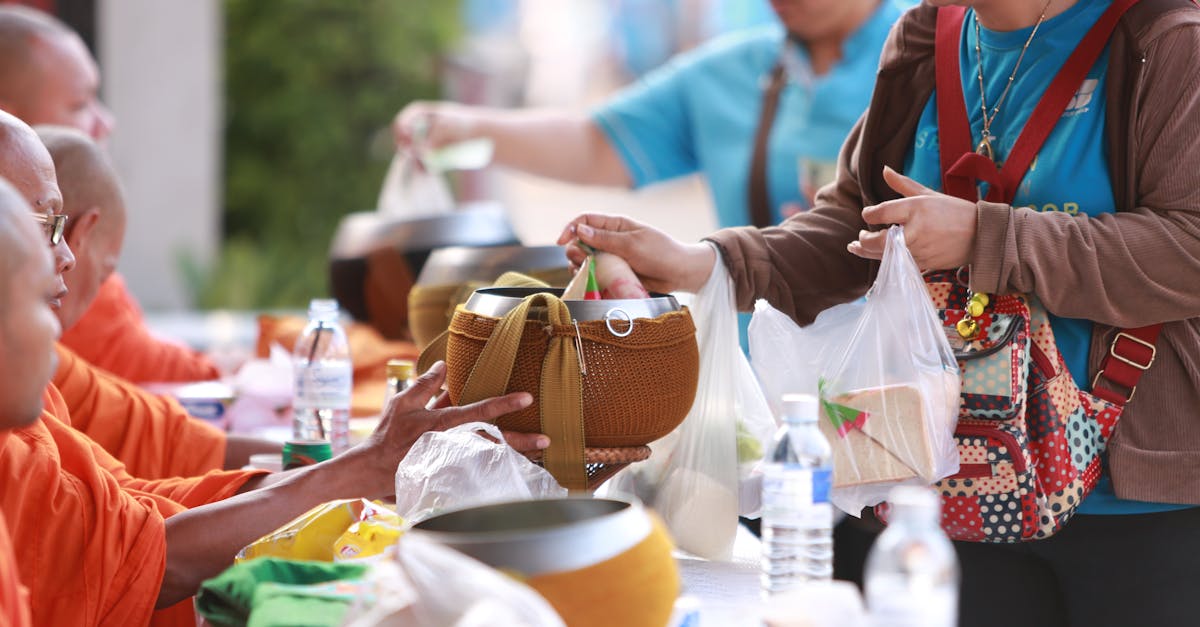 This photo was taken by Washarapol D BinYo Jundang on Pexels.