The History of Siam: A Quick Tour Through Bangkok's Museums
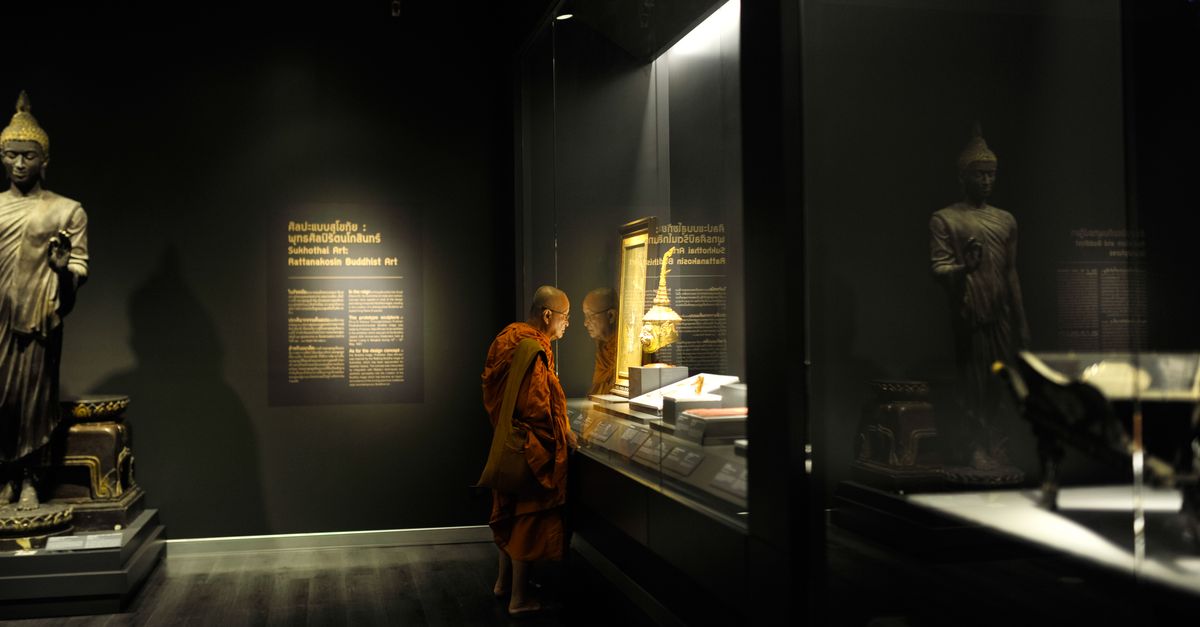 This photo was taken by Qinyuan wu on Pexels.
Welcome, fellow travelers, to the beating heart of Thailand! As your local guide in Bangkok, I know that while the city's vibrant street food and bustling markets steal the spotlight, its true soul lies within its walls. This city is not merely a modern metropolis; it is a living archive where every stone tells a story of "Siam," the nation's ancient name. From the gilded spires of royalty to the quiet corners where forgotten artifacts rest, Bangkok offers a fascinating journey through time. In this post, we will embark on a quick tour through the city's most captivating museums and shrines, uncovering how a small kingdom evolved into the magnificent capital we know today. Get ready to step back in history as we explore the royal legacy, trace the evolution of our nation, and discover hidden gems waiting to be found.
The Royal Legacy: Exploring the Grand Palace and National Museum
Immerse yourself in the opulent heart of Thai history at the Grand Palace, a sprawling complex that has served as the official residence of the Kings of Siam since 1782. As you wander through its gilded chedis and intricate murals depicting the Ramakien epic, you will witness the architectural brilliance that defines Bangkok's skyline, with every golden spire reflecting the devotion to Buddhism and the monarchy. This sacred ground is not merely a collection of buildings but a living testament to the nation's resilience and royal lineage, where the Emerald Buddha resides in the Wat Phra Kaew temple, offering visitors a profound glimpse into the spiritual soul of the kingdom.
Just steps away from the palace walls lies the National Museum, housed within the former Taksin Palace, which complements your royal tour by preserving the tangible artifacts of Thailand's rich past. Here, you can explore vast halls filled with ancient sculptures, royal regalia, and exquisite ceramics that trace the evolution of Siamese culture from the Dvaravati period through the Rattanakosin era. While the Grand Palace showcases the grandeur of royal life, this museum provides an intimate educational journey, allowing you to understand the artistic mastery and historical narratives that shaped modern Thailand, making it an essential stop for any traveler eager to grasp the full depth of Siam's enduring legacy.
 This photo was taken by Erik Mclean on Pexels.
From Kingdom to Capital: Tracing Siam's Evolution at the Bangkok City Pillar Shrine
While the grand museums of Bangkok showcase the opulence of royal courts and ancient artifacts, the true heartbeat of Siam's transformation from a feudal kingdom to a bustling modern capital beats within the sacred grounds of the City Pillar Shrine. Established in 1782 by King Rama I alongside the Grand Palace, this humble wooden structure houses the Phra Phrom, the deity believed to protect the city and ensure its prosperity during the pivotal shift of the Siamese capital from Thonburi to Rattanakosin. Stepping inside, visitors are greeted not by elaborate exhibits but by a profound sense of continuity; here, one can trace the spiritual lineage that has anchored Thai identity through centuries of political upheaval, foreign influence, and rapid urbanization, serving as a silent witness to the nation's enduring resilience.
The evolution of Siam is palpable in the shrine's surroundings, where the chaotic energy of modern traffic merges seamlessly with the serene rituals of locals offering lotus flowers and incense. This site perfectly encapsulates the narrative of a country that has successfully balanced its deep-rooted traditions with its status as a global metropolis, proving that the spirit of the old Kingdom still thrives amidst the skyscrapers of the new Capital. For any traveler seeking to understand the soul of Thailand beyond its famous temples and palaces, the City Pillar Shrine offers an intimate glimpse into the collective consciousness of the people, reminding us that while borders may shift and dynasties change, the faith that binds this vibrant society remains unbroken.
 This photo was taken by NGUYỄN THÀNH NHƠN on Pexels.
Hidden Gems: Uncovering Ancient Artifacts in Bangkok's Lesser-Known Museums
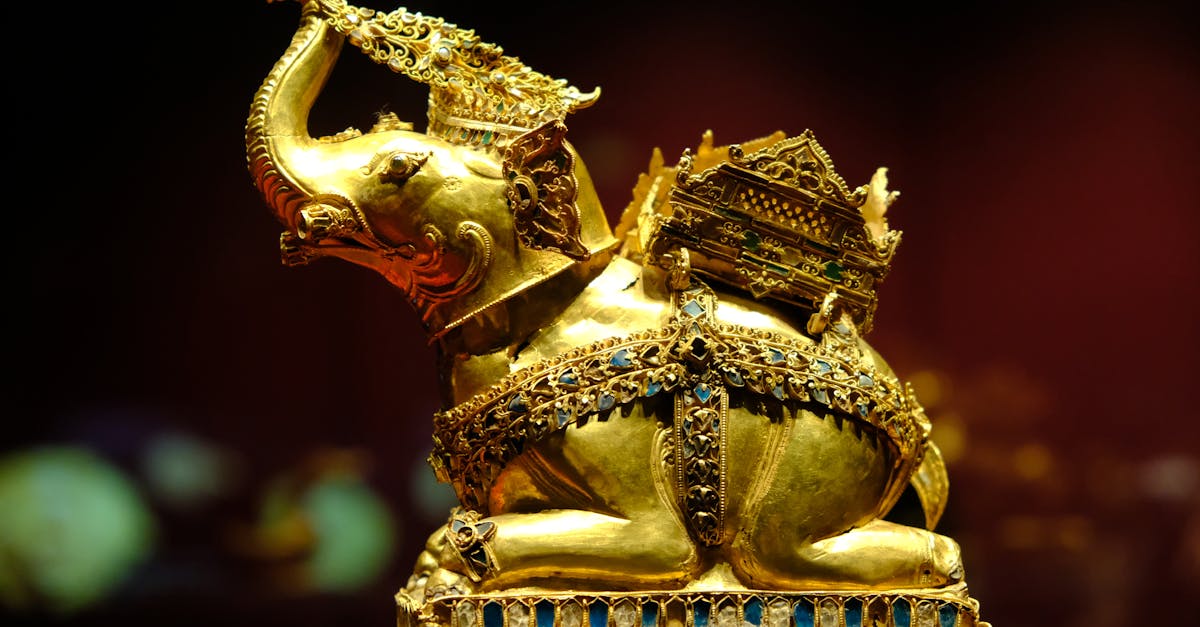
While the grandeur of the Grand Palace often steals the spotlight, Bangkok harbors a treasure trove of ancient artifacts within its quieter, less-crowded museums that offer a more intimate connection to Siam's deep roots. The Museum of Siam, tucked away in the historic heart of the city near Sanam Luang, presents an immersive journey through time where you can trace the evolution of Thai identity from prehistoric times to the modern era without the usual tourist crowds. Similarly, the Bang Khun Thian District Museum offers a rare glimpse into the lives of early riverine communities, showcasing locally excavated pottery and tools that reveal how ancient Siamese societies thrived along the Chao Phraya's banks long before the capital was established.
For those willing to venture slightly off the beaten path, the Wat Pho temple grounds house a hidden gem often overlooked by hurried visitors: the intricate collection of ancient medical manuscripts and traditional healing instruments preserved within its lesser-known pavilions. These artifacts tell the story of Ayurvedic influences on Thai medicine, featuring detailed diagrams of acupressure points carved into stone slabs and rare herbal remedies that have been used for centuries. Exploring these spaces allows travelers to appreciate the intellectual and spiritual depth of the kingdom, providing a serene contrast to the bustling streets outside and offering a profound understanding of the cultural continuity that defines Thailand today.
 This photo was taken by มหฺ ปณฺฑิโต on Pexels.