The Grand Palace and Wat Phra Kaew: History You Can't Miss
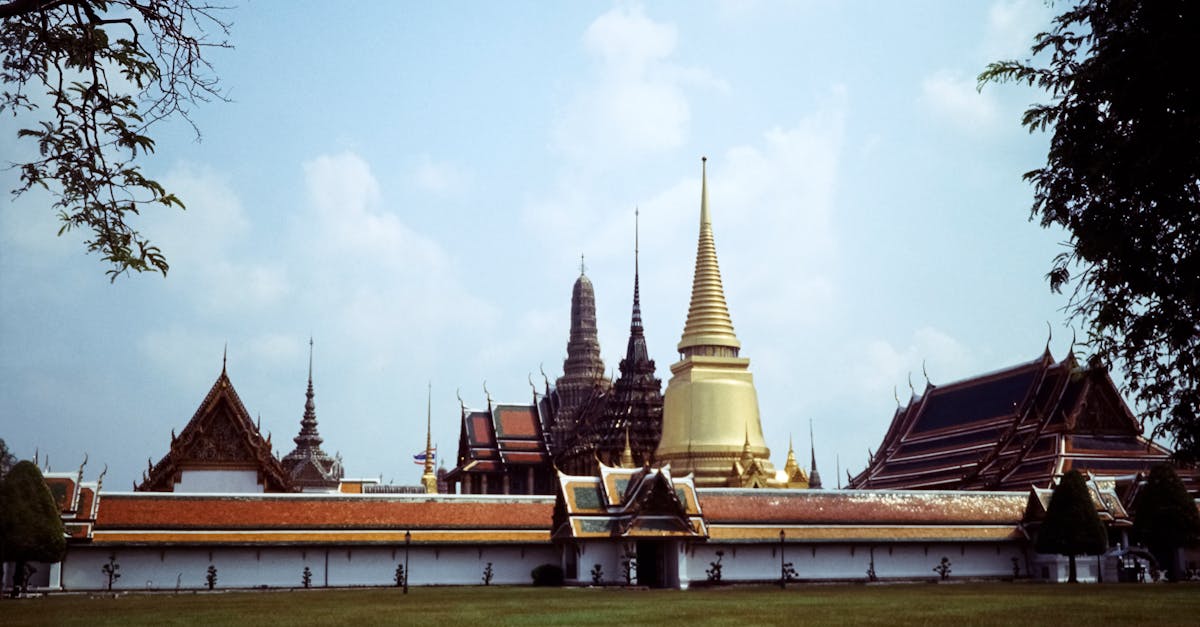 This photo was taken by pierre matile on Pexels.
Welcome to the beating heart of Bangkok, where history breathes through every golden spire and intricate mosaic. As your local guide, I invite you to step into a world where ancient traditions meet royal grandeur at the Grand Palace and Wat Phra Kaew. This sprawling complex is not merely a collection of buildings; it is the spiritual and symbolic center of Thailand, housing the sacred Emerald Buddha and showcasing architectural masterpieces that have stood for centuries. In this post, we will journey through the rich royal history embedded in its walls, marvel at the stunning craftsmanship that defines Thai art, and ensure your visit is respectful by sharing essential etiquette tips. Get ready to uncover the stories you simply cannot miss on your way through this magnificent sanctuary.
The Sacred Emerald Buddha: Heart of the Kingdom
The Sacred Emerald Buddha: Heart of the Kingdom
Nestled within the ornate golden chedis and intricate murals of Wat Phra Kaew lies Thailand's most revered treasure, the Emerald Buddha. This small but powerful jade statue, carved from a single block of translucent green stone, is not merely an artifact but the spiritual heart of the nation, believed to bring prosperity and protection to the country. Visitors are greeted by its serene expression as it sits in a seated posture on a multi-tiered throne, surrounded by gilded altars and fragrant incense that fills the air with a sense of profound reverence. It is important to remember that this image has been moved between temples throughout history, symbolizing the shifting tides of Thai sovereignty, yet it remains the ultimate symbol of unity and faith for all Thais.
Clothing appropriately is strictly enforced here, as this is an active place of worship rather than just a historical site; shoulders and knees must be covered to show respect for the sacred space. The atmosphere inside the temple complex is one of hushed awe, where the vibrant colors of the architecture contrast beautifully with the solemnity of the monks chanting their morning prayers. As you gaze upon the Emerald Buddha, you are witnessing a living tradition that has survived centuries of war and political change, making your visit to the Grand Palace not just a tour of royal history, but a deeply moving connection to the soul of Bangkok itself.
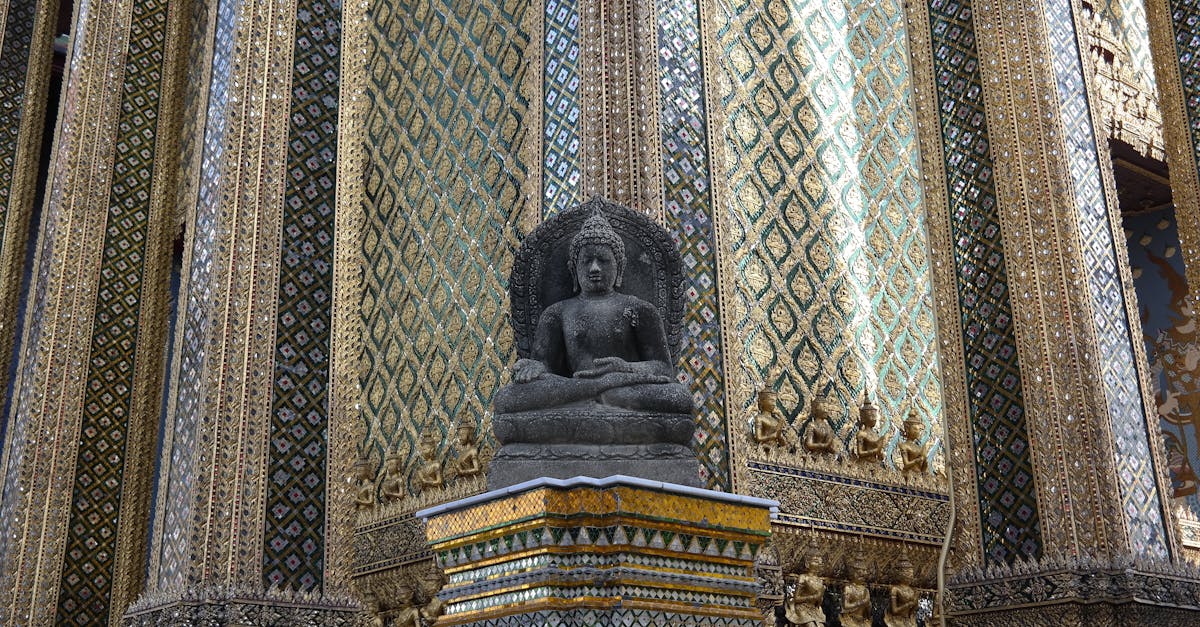 This photo was taken by Jo Kassis on Pexels.
Architectural Splendor and Royal History
Stepping into the grounds of the Grand Palace is like entering a living postcard where Thai architecture reaches its most dazzling peak. The complex is a breathtaking tapestry of vibrant spires, gilded chedis, and intricate mosaics that shimmer under the tropical sun, showcasing the unique Lanna and Rattanakosin styles that define Bangkok's cultural identity. Every corner reveals a story told through art, from the mythical guardians at the gates to the soaring roofs adorned with colorful ceramic shards, inviting visitors to marvel at the sheer craftsmanship that has stood for centuries as a testament to the kingdom's artistic heritage.
Beyond its visual splendor, this sacred site serves as the heart of Thailand's royal history and spiritual life, housing the revered Wat Phra Kaew or Temple of the Emerald Buddha. For over two centuries, this temple has been the spiritual home of the Emerald Buddha, the nation's most sacred image, which resides within the delicate, gold-encrusted inner sanctum. While the palace itself remains a symbol of the monarchy's enduring legacy and the seat of government during significant historical eras, it continues to operate as a place of profound reverence, offering tourists an intimate glimpse into the rituals and traditions that have shaped the soul of modern Thailand.
 This photo was taken by You ness on Pexels.
Essential Etiquette for Your Visit
When entering the sacred grounds of the Grand Palace and Wat Phra Kaew, it is crucial to dress with the utmost respect for Thai culture and Buddhist traditions. Visitors must cover their shoulders and knees, meaning sleeveless tops, short shorts, and mini-skirts are strictly prohibited at the entrance; if your attire does not meet these standards, you will be denied entry or asked to rent appropriate clothing on-site. Furthermore, always remove your shoes before stepping onto any temple floor or into specific prayer halls, as keeping footwear on inside these holy spaces is considered deeply offensive and disrespectful to the sanctity of the location.Beyond clothing, maintaining a calm and dignified demeanor is essential throughout your visit. It is forbidden to point your feet toward Buddha images or monks, so please sit with your legs tucked behind you rather than extended forward when viewing exhibits. Additionally, photography rules vary by area within the complex; while exterior shots are generally welcome, taking photos of the Emerald Buddha inside the main shrine is strictly prohibited, and using flash or tripods in other indoor galleries is often restricted to preserve the delicate murals and artifacts. By adhering to these guidelines, you ensure a smooth experience that honors the profound spiritual significance of this iconic site. This photo was taken by Rachel Claire on Pexels.