The Best Time to Visit Bangkok: Weather and Festivals
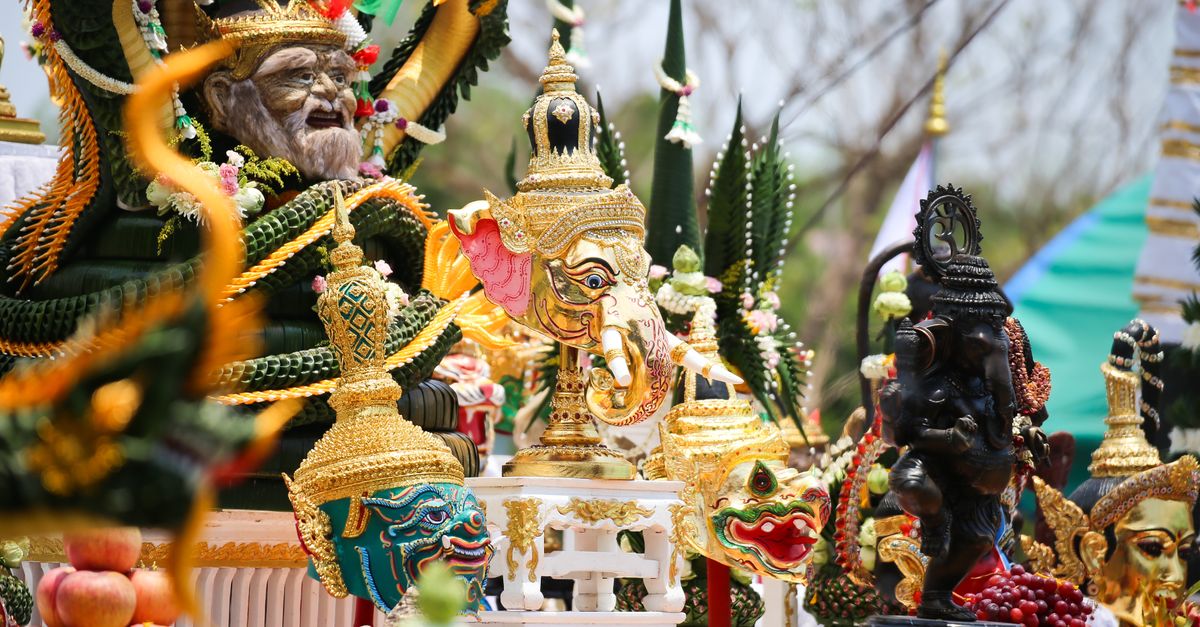 This photo was taken by Kritsada Channel on Pexels.
Welcome to the vibrant heart of Thailand! As your local guide, I know that planning a trip to Bangkok can feel like navigating a bustling river—exciting, but requiring the right timing to truly enjoy the journey. Whether you are chasing the golden hues of temple festivals or seeking a quiet escape from the city's electric energy, understanding the rhythm of our seasons is key. In this post, we will explore Bangkok's three distinct weather patterns, dive into our rich cultural calendar of major events, and share insider tips on when to visit for a more peaceful experience away from the crowds. Let's uncover the perfect moment to make your Bangkok adventure unforgettable.
Navigating Bangkok's Three Distinct Seasons
Bangkok's tropical climate is divided into three distinct seasons, each offering a unique rhythm to the city that travelers should consider when planning their itinerary. The cool season, stretching from November to February, brings relief from the oppressive heat with average temperatures hovering around 25°C (77°F), making it the most comfortable time for exploring open-air markets and temple complexes. This period also coincides with major cultural highlights like Loy Krathong and the King's Birthday celebrations, where the sky lights up with lanterns and fireworks, creating an unforgettable atmosphere for visitors.
As the calendar turns to March, the hot season takes over until May, characterized by soaring temperatures often exceeding 35°C (95°F) and high humidity levels that can be challenging for extensive outdoor walking. While this is not the ideal time for sightseeing during midday hours, it offers vibrant opportunities to experience local life in air-conditioned malls or enjoy refreshing street-side fruit smoothies. Following the rains of the monsoon season from June to October, which brings brief but intense downpours followed by lush greenery and fewer crowds, the cycle completes, reminding tourists that even the rain has its own charm in this bustling metropolis.
 This photo was taken by Atlantic Ambience on Pexels.
A Cultural Calendar: Major Festivals and Events
Bangkok truly comes alive when the city's rhythm syncs with its vibrant cultural calendar, making festival timing a crucial factor for your travel plans. The most spectacular event is undoubtedly Songkran in mid-April, where the entire city transforms into a massive water festival celebrating the Thai New Year; expect joyous chaos as locals and tourists alike drench each other in a refreshing battle that cools you down during the sweltering heat. Just a few months later, around November, the cool season arrives alongside Loy Krathong, a breathtaking spectacle of thousands of floating baskets adorned with candles and flowers gliding down the Chao Phraya River under a full moon, creating a magical atmosphere that is best experienced while strolling through the historic temples or joining local celebrations.
For those who prefer a more spiritual yet visually stunning experience, the Vegetarian Festival in October offers a unique glimpse into Bangkok's Sino-Thai community, featuring colorful processions, firewalking rituals, and strict dietary observances that draw crowds from all over the world. Additionally, if you are visiting between December and January, you might catch the King's Birthday celebrations or various temple fairs that light up the night sky with lanterns and traditional performances. By aligning your itinerary with these major events, you move beyond being just a spectator to becoming part of the living tapestry of Thai culture, ensuring your visit is filled with unforgettable memories that go far beyond the usual tourist attractions.
 This photo was taken by Moisés Fonseca on Pexels.
When to Avoid the Crowds for a Peaceful Stay
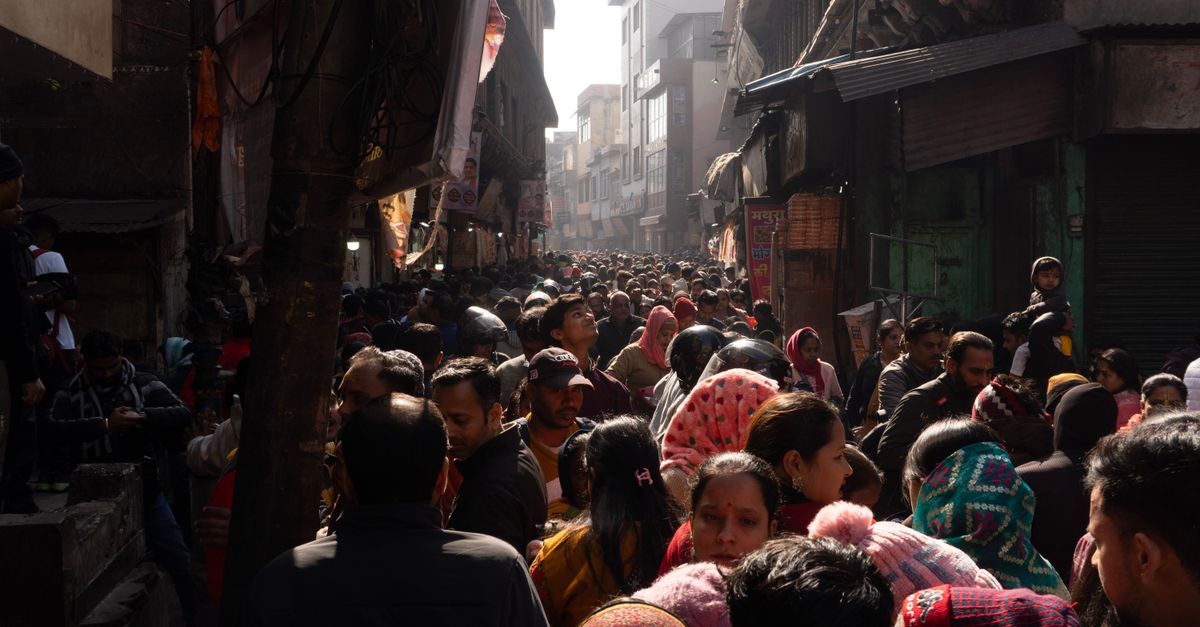
While Bangkok's vibrant energy is ever-present, travelers seeking a tranquil escape should carefully navigate the peak tourist seasons that transform popular areas into bustling mazes. The most crowded periods typically coincide with the cool, dry winter months from November to February, when international visitors flock to escape colder climates, and during major Thai festivals like Songkran in mid-April. During these times, iconic sites such as Wat Arun, the Grand Palace, and the Chatuchak Weekend Market become overwhelmingly packed, making it difficult to enjoy the city's spiritual or cultural offerings without constant jostling. To secure a more serene experience, consider planning your trip during the shoulder months of March or late October, where you can still enjoy pleasant weather but encounter significantly fewer tourists.
Furthermore, avoiding the annual holiday rush is essential for those desiring a peaceful stay, particularly around the Chinese New Year and the long holidays in December. These windows see an influx of regional travelers and locals returning home, causing traffic congestion and skyrocketing accommodation prices in districts like Sukhumvit and Silom. By choosing to visit just after the festive season concludes in early January or during the hotter, rainier months of May through September (outside of monsoon peaks), you will find that the city breathes a bit easier. In these quieter intervals, you can wander through the labyrinthine alleyways of Old Bangkok, savor street food at local markets, and explore hidden temples with a sense of calm that is often lost amidst the high-season throngs.
 This photo was taken by momentsbymanan on Pexels.