The Best Time to Visit Bangkok: Weather, Festivals, and Crowds
 This photo was taken by Caique Araujo on Pexels.
Navigating the Seasons: Understanding Bangkok's Tropical Climate
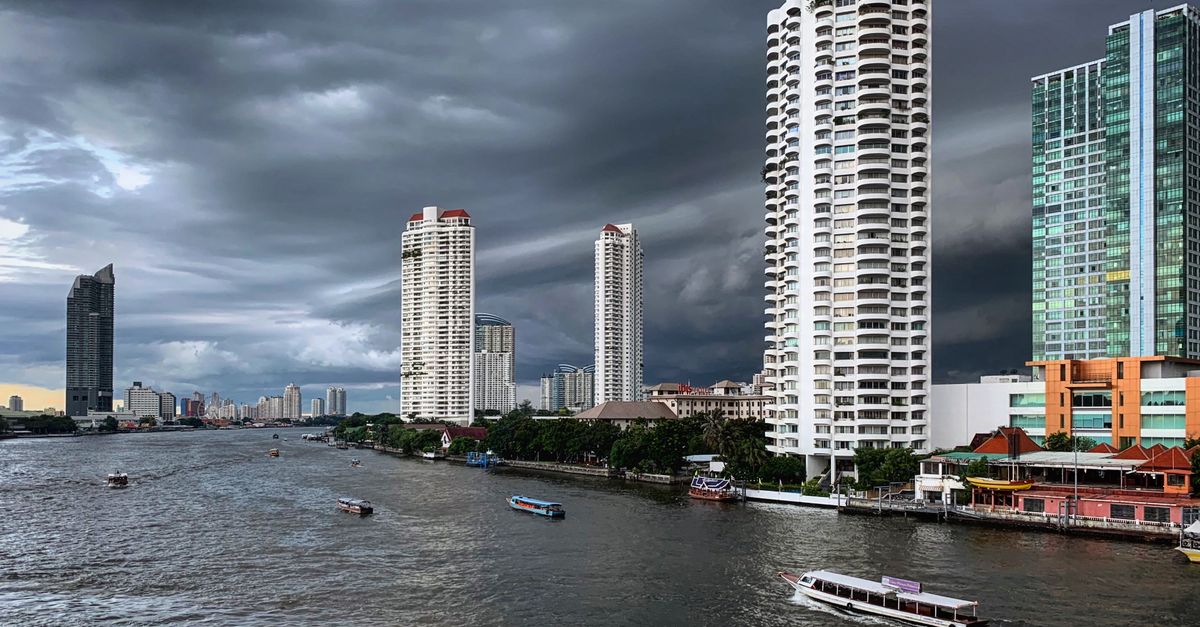
Understanding Bangkok's tropical monsoon climate is essential for planning a trip that aligns with your comfort level, as the city experiences three distinct seasons throughout the year. The cool season, running from November to February, offers the most pleasant weather with lower humidity and temperatures averaging around 25°C to 30°C, making it ideal for exploring outdoor attractions like the Grand Palace and Wat Arun without excessive heat. Conversely, the hot season from March to June brings scorching temperatures that can soar well above 35°C, often accompanied by high humidity, which requires visitors to plan their sightseeing during early mornings or late afternoons and prioritize indoor activities or air-conditioned malls.
The rainy season, typically occurring from July to October, transforms the city with frequent but often short-lived tropical downpours that can refresh the atmosphere and turn parks into lush green oases, though heavy storms may occasionally disrupt travel plans. While this period sees fewer crowds and more affordable accommodation rates, travelers should be prepared for sudden showers and potential flooding in low-lying areas. By choosing the right time based on these climatic patterns, you can balance your desire for festival experiences—such as Songkran in April or Loy Krathong in November—with comfortable weather conditions, ensuring a memorable journey through the vibrant streets of Thailand's capital.
 This photo was taken by Sergei Gussev on Pexels.
Cultural Highlights: Key Festivals and Celebrations to Experience
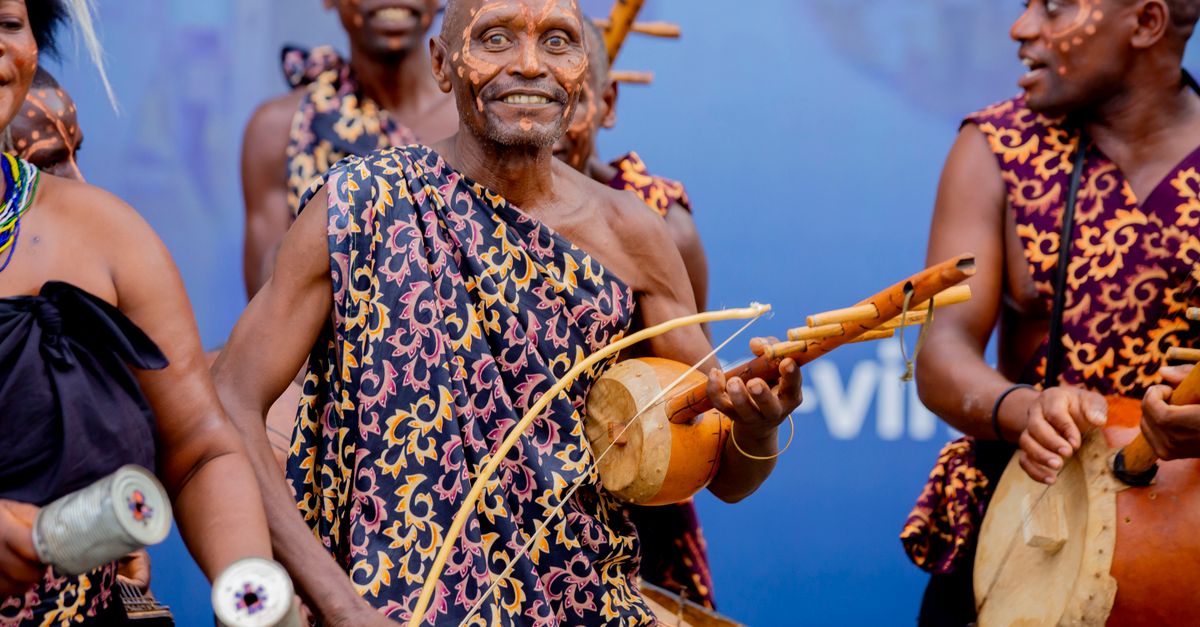
Bangkok truly comes alive when its streets transform into vibrant stages for world-renowned celebrations, with Songkran in April standing as the most electrifying of them all. During this Thai New Year festival, the entire city joins in a joyous water fight that cools you down while symbolizing the washing away of bad luck and misfortunes from the previous year; it is an unforgettable experience where locals and tourists alike drench each other in buckets of water amidst traditional merit-making at temples. Following closely in October is the breathtaking Loy Krathong, where thousands of illuminated rafts are released onto the Chao Phraya River, creating a magical reflection of lights on the water while people make wishes for good fortune and express gratitude to the Goddess of Water.
Beyond these iconic events, the cultural calendar is dotted with colorful processions like the Vegetarian Festival in September, characterized by devotees performing daring rituals and wearing white attire, and the Royal Ploughing Ceremony in May, which marks the beginning of the rice-growing season with ancient royal traditions. Visiting during these festive periods offers a unique window into the soul of Thai culture, blending deep spirituality with exuberant community spirit, though travelers should be prepared for larger crowds and slightly higher accommodation rates. By aligning your itinerary with these key dates, you gain access to the heart of Bangkok's heritage, ensuring your trip is not just a sightseeing tour but a deeply immersive cultural journey filled with music, food, and the warm hospitality of the Thai people.
 This photo was taken by The Silvagraph on Pexels.
Beat the Rush: Strategies for Avoiding Peak Crowds
Navigating Bangkok's iconic streets requires a strategic approach to timing, as the city transforms into a sea of humanity during peak hours. The most intense rush occurs between 7:00 AM and 9:30 AM, and again from 4:30 PM to 7:00 PM, when office workers flood the BTS Skytrain, MRT subway, and major expressways like Silom Road. To sidestep this gridlock, savvy travelers should plan their museum visits, temple tours, and shopping excursions during the mid-morning lull or the late afternoon window before the evening commute begins. By embracing the early bird mentality and starting your day by 6:30 AM, you can explore the Grand Palace or chat with vendors at Chatuchak Market in relative peace, enjoying cooler temperatures and significantly fewer queues before the masses arrive.Beyond daily traffic patterns, avoiding crowds also means aligning your itinerary with the ebb and flow of tourist seasons and local festivals. While major holidays like Songkran and Loy Krathong offer unforgettable cultural experiences, they inevitably draw massive domestic and international crowds that can overwhelm popular attractions. If your priority is a more relaxed exploration, consider visiting during the shoulder months of February or October, where the weather remains pleasant but the influx of tourists is notably thinner. Additionally, many world-class attractions, such as Wat Arun or the Jim Thompson House, are surprisingly quiet on weekday mornings compared to weekends; leveraging these quieter windows allows for a more immersive experience where you can truly appreciate the intricate details of Thai architecture without jostling through a throng of visitors. This photo was taken by Pixabay on Pexels.