Sustainable Tourism: Eco-Friendly Ways to Explore Bangkok
 This photo was taken by Quang Nguyen Vinh on Pexels.
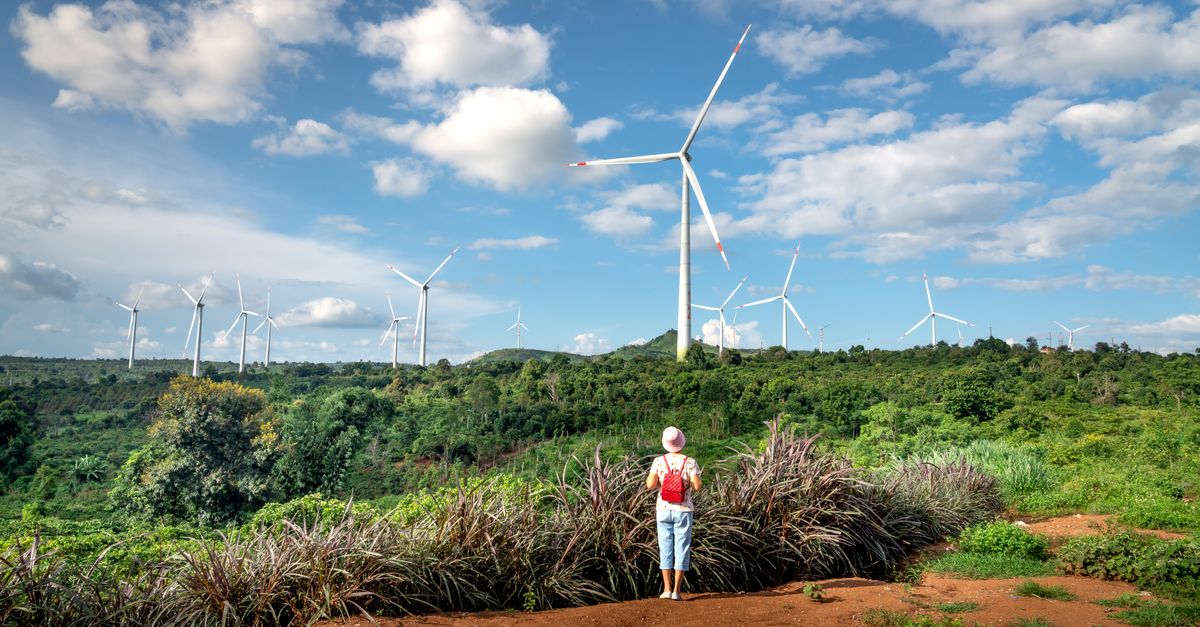
Welcome to the City of Angels, where ancient traditions dance with modern energy and the Chao Phraya River pulses with life. As your local guide, I often see visitors dazzled by Bangkok's towering skyscrapers and vibrant street scenes, yet there is a quieter, greener side of this bustling metropolis waiting to be discovered. Sustainable tourism isn't just about reducing our footprint; it's about connecting more deeply with the soul of Thailand while ensuring its beauty thrives for generations to come. In this post, we will journey beyond the typical tourist trail to explore how you can navigate our city sustainably on two wheels or by boat, savor authentic flavors from eco-conscious street vendors, and immerse yourself in heritage sites that prioritize community well-being. Let us redefine what it means to travel through Bangkok, turning every step into an act of care for this incredible destination.
Embracing Green Transport: Navigating Bangkok by Bike and Boat
While the bustling streets of Bangkok are often dominated by tuk-tuks and taxis, a growing number of eco-conscious travelers are discovering the joy of navigating this vibrant metropolis on two wheels. Renting a bicycle allows you to escape the traffic congestion and explore hidden alleyways in the historic Rattanakosin district or glide along the scenic paths of Benjakitti Forest Park, where lush greenery offers a serene respite from the urban heat. This active mode of transport not only reduces your carbon footprint but also provides an intimate connection with the city's rhythm, letting you smell the jasmine blossoms and hear the distant chants from local temples that are often missed when enclosed in motorized vehicles.
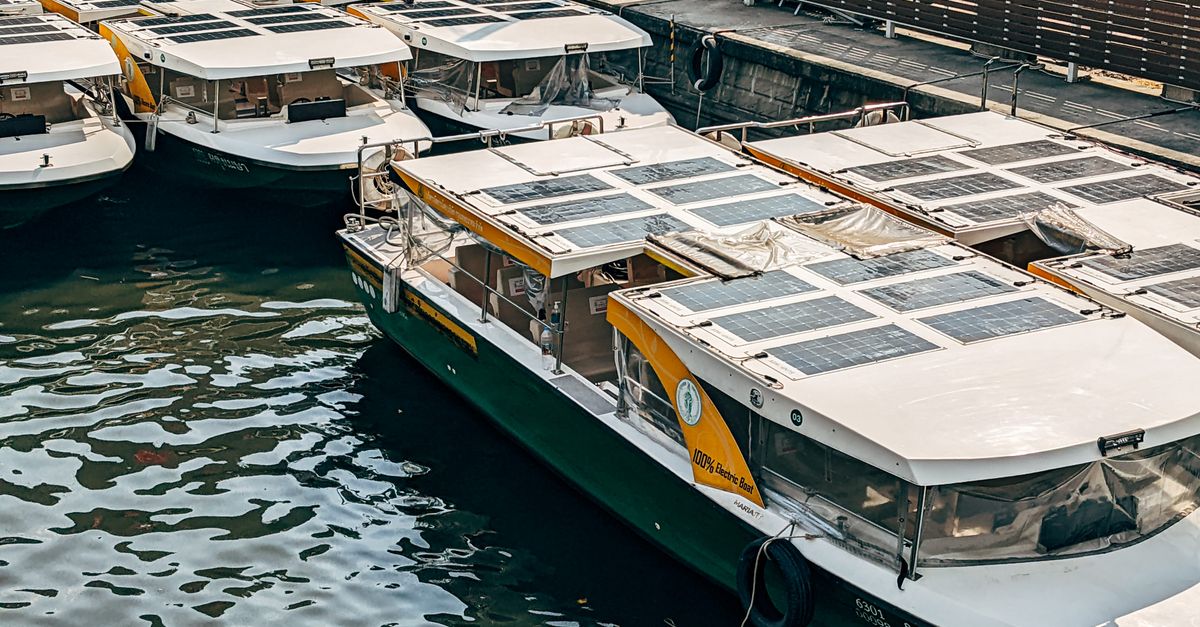
For those seeking a different perspective, the Chao Phraya River and its intricate network of canals, known as khlongs, offer a natural highway perfect for exploring by boat. Opting for electric ferries or traditional longtail boats powered by efficient engines significantly lowers emissions compared to private water taxis, making it a greener choice for reaching floating markets like Damnoen Saduak or simply enjoying a sunset cruise past the glittering skyscrapers. These waterways reveal a side of Bangkok that is both tranquil and historically rich, allowing visitors to appreciate the city's unique relationship with water while contributing to sustainable tourism practices that preserve the environment for future generations.
 This photo was taken by Markus Winkler on Pexels.
Savoring Local Flavors: Supporting Sustainable Street Food and Markets
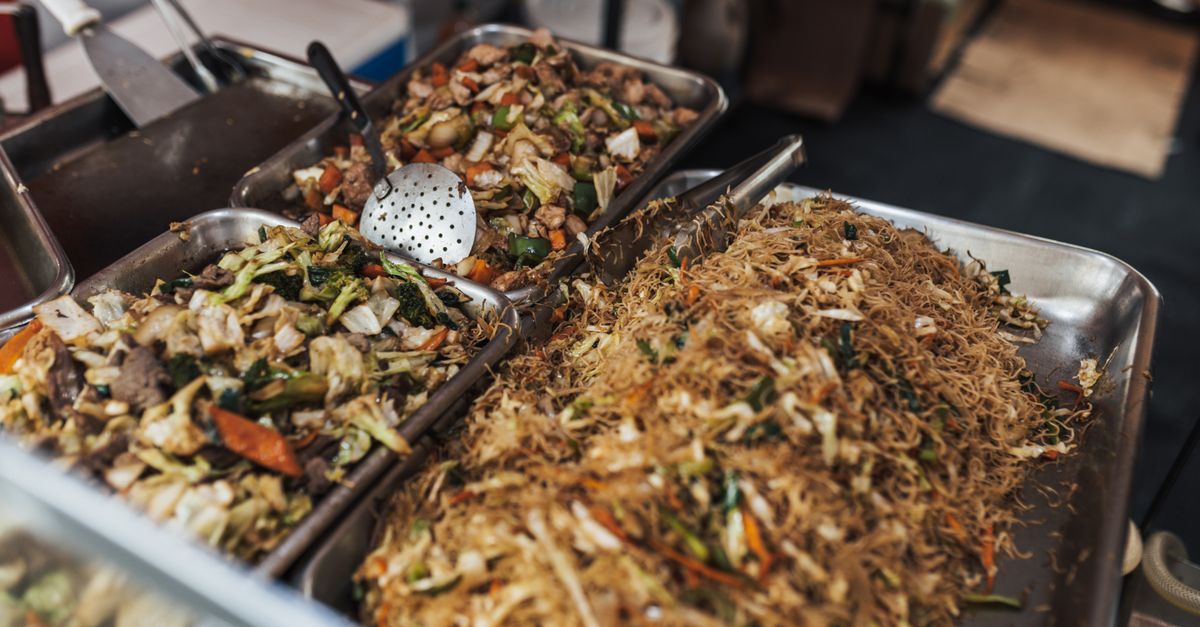
Bangkok's culinary soul beats strongest in its vibrant street food stalls and bustling night markets, where sustainable tourism begins with mindful eating. Instead of avoiding the crowds, engage directly with local vendors who often source ingredients from nearby farms, reducing carbon footprints while keeping money within the community. When you choose to dine at a stall that uses reusable bamboo utensils or offers biodegradable packaging, you are actively supporting a greener ecosystem. Remember to bring your own water bottle and refuse single-use plastics; this small act encourages more vendors to adopt eco-friendly practices, ensuring that the rich tapestry of Thai flavors remains accessible for future generations without compromising our planet.
Beyond individual choices, visiting certified organic markets like Chatuchak on weekends or exploring neighborhood fresh produce hubs allows you to taste the seasonality of Thailand while fostering direct relationships with farmers. These markets often showcase traditional farming methods that preserve biodiversity and reduce chemical runoff, making every bite a contribution to environmental stewardship. By prioritizing establishments that practice zero-waste policies and celebrate local heritage, travelers transform their dining experience into a powerful tool for conservation. As you savor dishes like Pad Thai made with locally grown rice noodles or refreshing mango sticky rice, know that your patronage helps sustain the very traditions that make Bangkok a world-class destination for responsible exploration.
 This photo was taken by Matheus Bertelli on Pexels.
Preserving Heritage: Eco-Conscious Temples and Community Tours
Bangkok's spiritual heart beats strongest in its ancient temples, many of which are now leading the charge in sustainable practices to preserve their cultural and ecological heritage. As you wander through the serene grounds of Wat Arun or the bustling courtyards of Wat Pho, you will notice initiatives like rainwater harvesting systems, solar-powered lighting, and community-led waste reduction programs that minimize environmental impact while maintaining the sanctity of these sacred spaces. By choosing eco-conscious guided tours that support these local efforts, visitors can engage deeply with the history of Thai Buddhism without contributing to overcrowding or pollution, ensuring that the architectural marvels and spiritual traditions remain intact for future generations.
Beyond the temple walls, true sustainability in Bangkok is found in the vibrant community tours that connect travelers directly with the neighborhoods preserving the city's traditional way of life. These immersive experiences take you through hidden alleyways in areas like Thonburi or Bang Rak, where local artisans demonstrate eco-friendly crafts using recycled materials and share stories of how their communities have adapted to modern challenges while honoring ancestral roots. Participating in these tours not only provides a meaningful economic boost to residents but also fosters a deeper understanding of the delicate balance between urban development and environmental stewardship, allowing you to explore the city as a responsible guest rather than just a passive observer.
 This photo was taken by Alan Wang on Pexels.