Spice It Up: Understanding Thai Cuisine Beyond Pad Thai
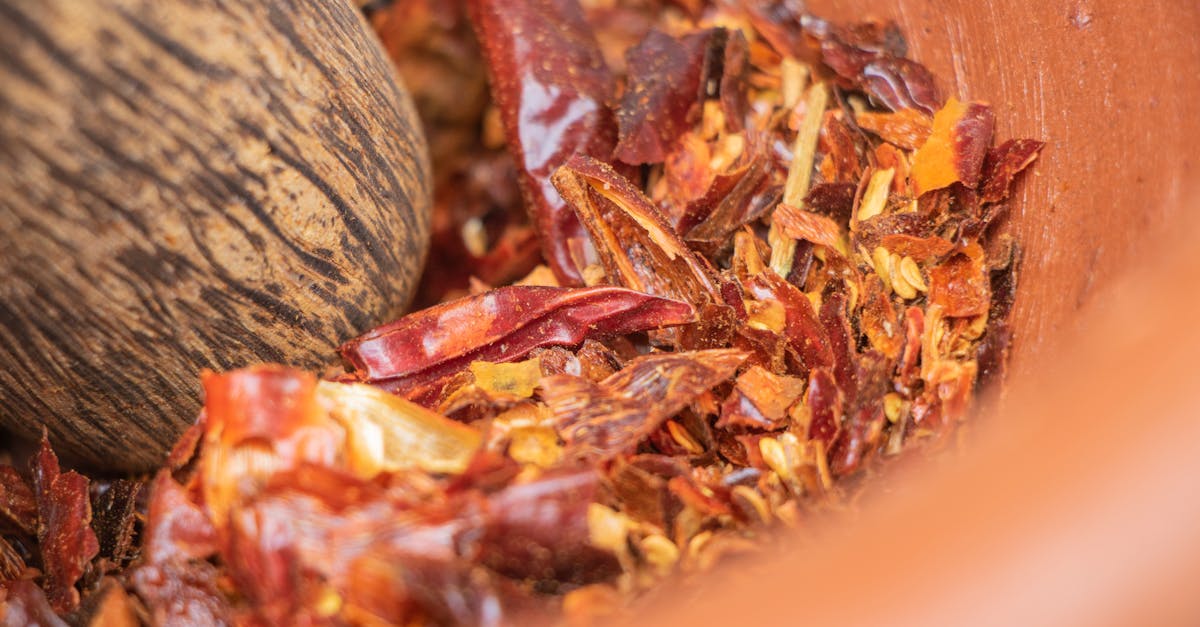 This photo was taken by Srattha Nualsate on Pexels.
Welcome to the vibrant heart of Bangkok, where the air is thick with the aromatic dance of lemongrass, galangal, and chilies. While Pad Thai often steals the spotlight for international visitors, it is merely a single note in a symphony of flavors that defines authentic Thai cuisine. From the fiery heat of Isaan salads to the delicate balance of regional curries and the hidden gems of local street food stalls, Thailand's culinary landscape is a journey waiting to be explored. Join me as we peel back the layers of this gastronomic paradise, moving beyond the tourist trails to discover the bold, spicy, and soulful dishes that locals have cherished for generations.
The Bold Flavors of Isaan: Spicy Salads and Grilled Meats
While many travelers know Thailand for its sweet and sour curries, the northeastern region of Isaan offers a culinary revolution defined by bold, fiery flavors that awaken every sense. At the heart of this gastronomic journey is Som Tum, the legendary green papaya salad, where the sharp crunch of shredded unripe fruit is tossed in a mortar with palm sugar, fish sauce, lime juice, and an abundance of bird's eye chilies to create a perfect balance of spicy, sour, salty, and sweet. This dish is rarely eaten alone; it is traditionally paired with sticky rice, which acts as a cooling vehicle for the intense heat, allowing diners to savor the complex layers of flavor without being overwhelmed, making every bite a vibrant explosion of fresh herbs like mint and cilantro alongside crunchy peanuts.
Complementing these zesty salads is the art of Isaan-style grilling, particularly Sai Oua (northern sausage) and Moo Ping (marinated pork skewers), which are often cooked over open charcoal fires until they achieve a smoky char that hints at their rustic origins. The meat is typically marinated in a fragrant paste of lemongrass, galangal, kaffir lime leaves, and turmeric, infusing it with aromatic depth before hitting the grill. Whether you are enjoying these savory treats from a bustling street food stall in Bangkok or a riverside restaurant, the combination of the charred, juicy meats with the fiery Som Tum creates a dining experience that is far removed from the milder dishes tourists often expect, proving that Thai cuisine is a vast tapestry of regional diversity waiting to be explored.
 This photo was taken by Erik Mclean on Pexels.
Street Food Secrets: Where Locals Actually Eat
While tourists often flock to the neon-lit stalls of Chinatown or the main thoroughfares of Khao San Road, the true soul of Bangkok's culinary scene lies tucked away in narrow alleyways known as "sois," where locals queue for decades-old recipes. To find these hidden gems, look for carts with long lines of office workers and families rather than cameras; here, you'll discover dishes like khanom chin nam ya (rice noodles with spicy fish curry) or grilled pork skewers seasoned with a secret blend of herbs that vendors guard fiercely. These unassuming spots often lack menus, relying instead on the vendor's memory and your ability to point at what looks fresh, offering an authentic taste of street food culture that has remained unchanged for generations.
Embracing this local approach means venturing beyond the well-trodden tourist paths into residential neighborhoods like Thon Buri or the bustling markets of Bang Rak, where the air is thick with the aroma of lemongrass, chilies, and frying garlic. Many of these establishments operate from simple plastic stools under makeshift awnings, serving up masterpieces like gaeng som pla kapong (sour fish curry) or crispy pad kra pao made with home-grown holy basil. By stepping off the beaten track, you not only avoid inflated prices but also engage directly with the cooks who treat every meal as a labor of love, providing you with a genuine connection to the vibrant heartbeat of Thai cuisine that goes far beyond the familiar flavors of Pad Thai.
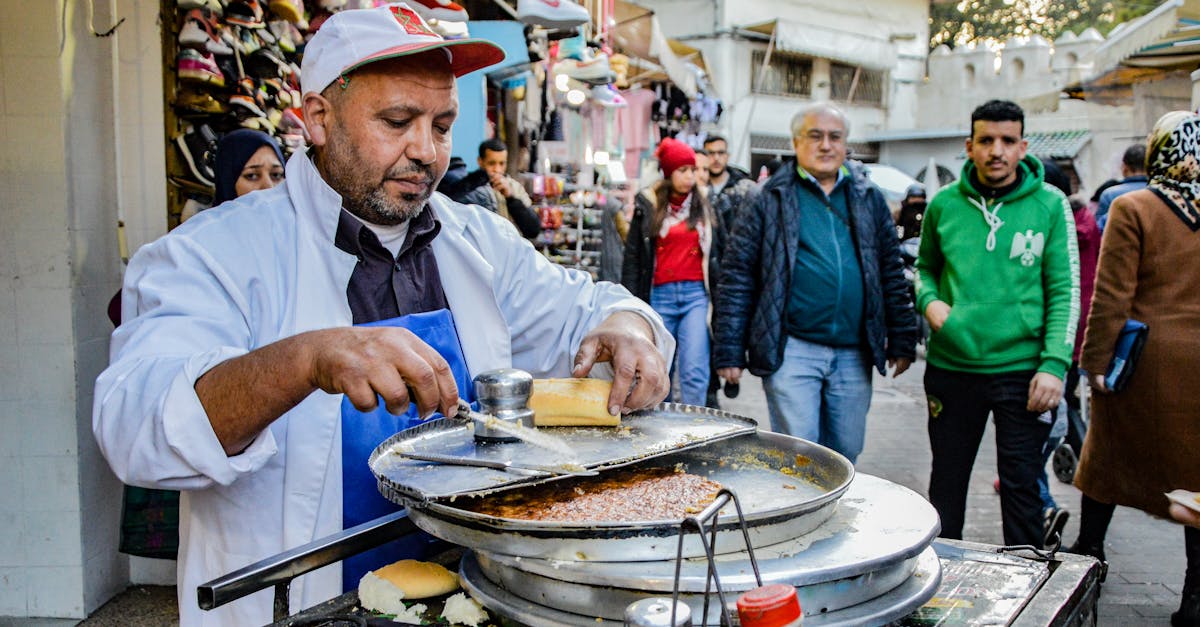 This photo was taken by Saad Meliani on Pexels.
Beyond the Bowl: The Art of Thai Soups and Curries
 This photo was taken by Erik Mclean on Pexels.