Respectful Travel: Understanding Thai Customs and Etiquette
 This photo was taken by Pixabay on Pexels.
Welcome to the City of Angels! As you embark on your journey through Bangkok's bustling streets and serene temples, remember that true travel goes beyond sightseeing—it is about connection. Thailand is renowned for its "Land of Smiles," but this warmth is deeply rooted in a culture of profound respect and harmony. To fully immerse yourself in the Thai way of life, understanding local customs is just as important as packing your camera. In this guide, we will explore the significance of body language, from the sacred head to the humble feet; uncover the essential dress codes required when visiting our holy sites and royal palaces; and share insights into the art of social interaction that will help you navigate daily encounters with grace. Let us walk together with open hearts and respectful minds as we discover the soul of Thailand.
The Sacred Head and Humble Feet: Body Language Matters
In the vibrant streets of Bangkok, your body language speaks volumes before you even utter a word, and nowhere is this more critical than with the head and feet. The head is revered as the most sacred part of the body, housing the soul and intellect, so it is strictly forbidden to touch anyone's head, even a child's, as a gesture of affection. Conversely, the feet are considered the lowest and dirtiest part of the body; pointing your toes at someone or placing your feet on furniture, tables, or altars is seen as deeply offensive and disrespectful. When sitting in temples or even casual settings, ensure your feet are tucked away beneath you rather than extended outward, showing humility and reverence for those around you.
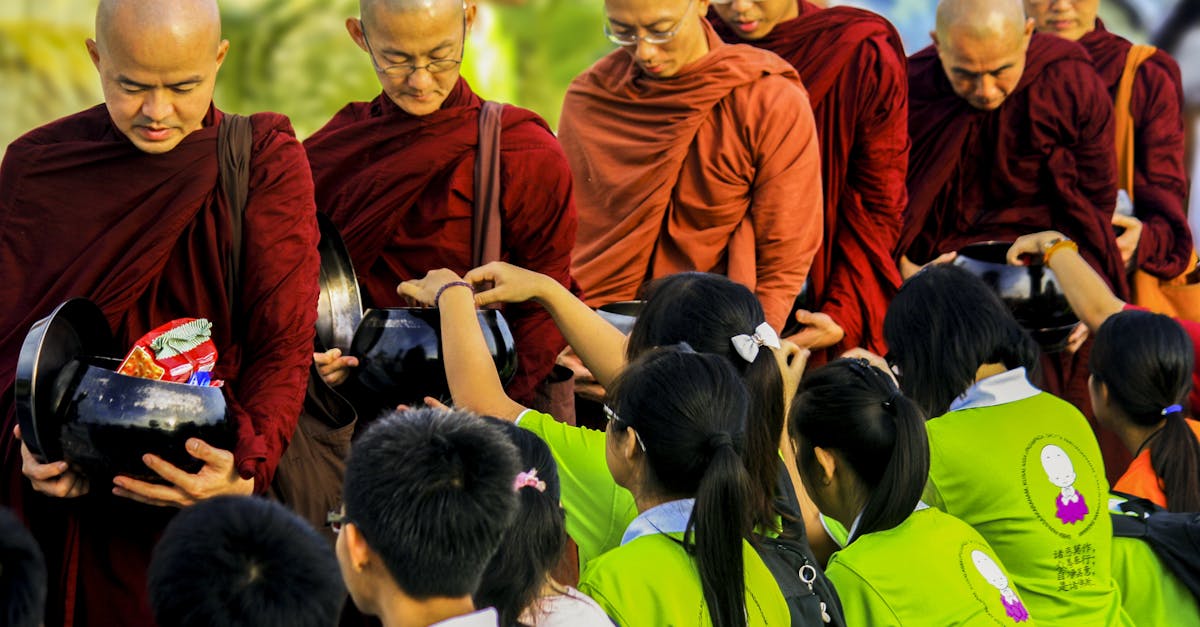
This cultural nuance extends to how you carry yourself when interacting with monks, royalty, or elders, where maintaining a low profile is key to showing respect. If you need to pass something to someone, especially a monk, always use both hands or place the item down for them to pick up, never handing it over directly with one hand. By mastering these subtle yet profound non-verbal cues, you demonstrate a genuine appreciation for Thai traditions that will be warmly reciprocated by locals. As you explore our magnificent temples from Wat Arun to the Grand Palace, remember that keeping your head high and your feet humble transforms you from a mere visitor into a respectful guest, enriching your journey through Thailand's heart and soul.
 This photo was taken by Erik Mclean on Pexels.
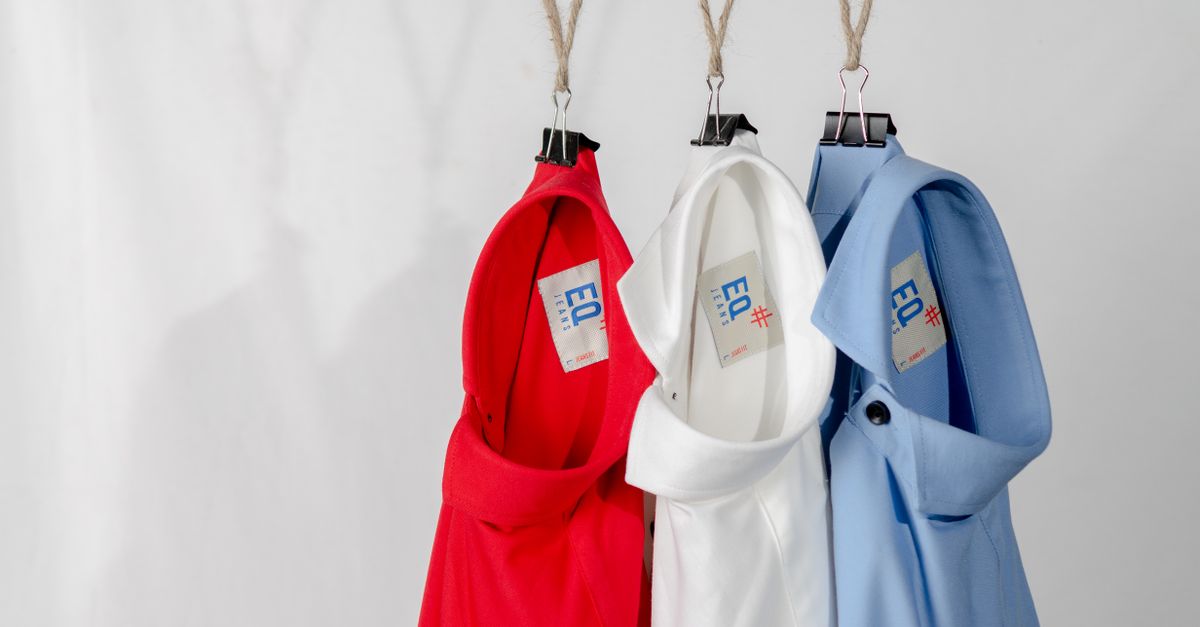
Wearing Your Respect: Dress Codes for Temples and Palaces
 This photo was taken by onkar salvi on Pexels.
The Art of the Smile: Navigating Social Interactions with Grace
In the vibrant streets of Bangkok, your most powerful tool for connection is not a complex phrasebook but the renowned Thai smile, known as "Yim." This gesture is far more than a simple expression of happiness; it is a versatile social lubricant used to convey apology, gratitude, embarrassment, or even to diffuse a tense situation. When you greet locals with a warm, genuine smile and a slight nod, you instantly signal respect and openness, often transforming a potential awkward encounter into a friendly exchange. Whether you are bargaining at Chatuchak Market or asking for directions in a bustling alleyway, maintaining this gentle demeanor shows that you understand the cultural value placed on harmony and avoiding confrontation.
Navigating these interactions with grace also requires understanding the subtle art of the "Wai," the traditional greeting where palms are pressed together in a prayer-like position while bowing slightly. The height of the bow corresponds to the status of the person you are greeting, with lower bows reserved for monks and higher figures, though as a visitor, returning a Wai from an elder or service worker with a modest bow and a smile is always appreciated. Remember that physical contact should be kept minimal unless initiated by the local, and always approach people with patience and humility. By embracing these customs, you move beyond being just another tourist to becoming a respectful guest who honors the spirit of "Sanuk" (fun) and "Kreng Jai" (consideration), making your journey through Thailand truly memorable.
This photo was taken by Erik Mclean on Pexels.