Off-the-Beaten-Path Neighborhoods: Chinatown, Bang Rak, and Thonburi
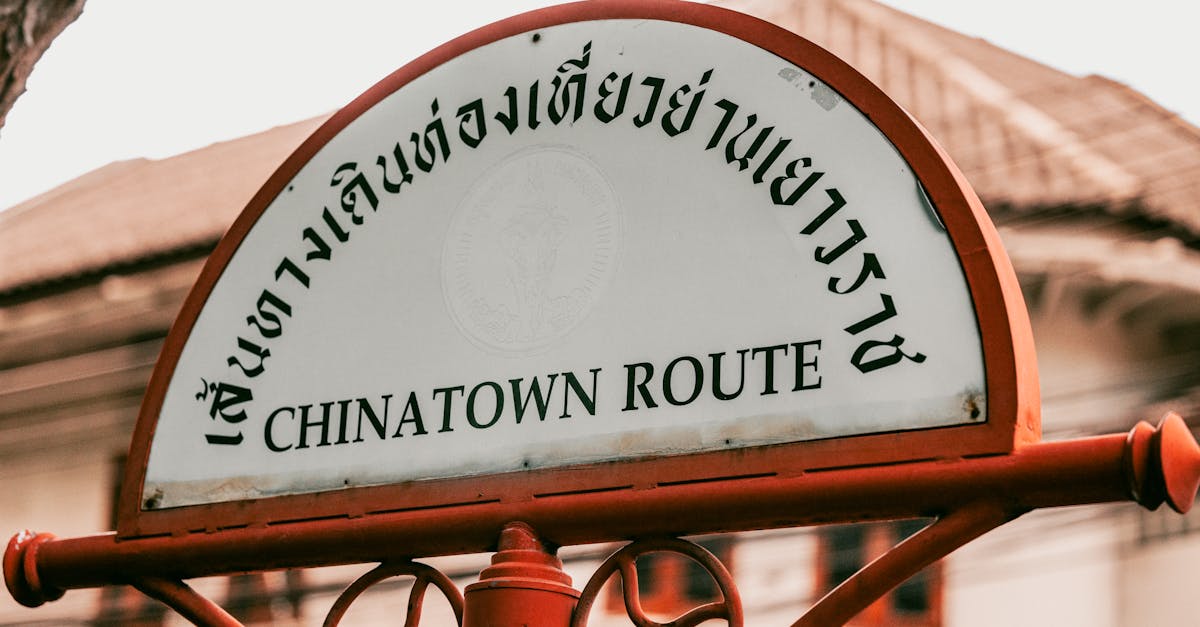 This photo was taken by Optical Chemist on Pexels.
Welcome to the Bangkok that most tourists never see. While the city is famous for its glittering temples and bustling street markets, the true soul of Siam often hides in the quiet corners just a few blocks away from the main thoroughfares. In this post, we invite you to step off the beaten path and explore three distinct neighborhoods that tell a different story of our vibrant capital.
First, we will wander through Chinatown's Hidden Alleys, moving beyond the iconic Golden Buddha to discover ancient shophouses and secret food stalls that have fed locals for generations. Next, we journey to Bang Rak's Riverside Secrets, where colonial-era architecture seamlessly blends with a thriving modern art scene along the Chao Phraya River. Finally, we take a boat ride into Thonburi's Canalside Charm, offering a nostalgic glimpse into Old Siam as it exists today amidst the historic klongs and wooden stilt houses. Get ready to experience a Bangkok rich in history, flavor, and authentic culture.
Chinatown's Hidden Alleys: Beyond the Golden Buddha
While the main drag of Yaowarat Road dazzles with its neon signs and bustling street food stalls, the true soul of Bangkok's Chinatown lies in the labyrinthine alleys that branch off behind the famous Golden Buddha. Wander down Soi Gaew or the narrow passages near Wat Traimit, where time seems to slow down amidst rows of traditional shophouses painted in faded hues of teal and ochre. Here, you will discover centuries-old Chinese-Taiwanese shrines tucked into ground-floor corners, hear the rhythmic sound of goldsmiths hammering intricate jewelry, and catch a glimpse of daily life unfolding over steaming pots of herbal tea, far removed from the tourist crowds.
These hidden thoroughfares offer an authentic culinary journey that goes beyond the standard pad thai, inviting you to sample rare delicacies like duck blood curd soup at 24-hour night markets or savor freshly made mooncakes in family-run bakeries that have operated for generations. As the sun dips below the skyline, the alleyways transform into a vibrant tapestry of local culture, where elders play chess under flickering lanterns and the scent of roasting spices mingles with the humid evening air. Exploring these lesser-known paths reveals the enduring heritage of the Sino-Thai community, offering a serene yet captivating contrast to the electric energy of the city's most famous landmarks.
This photo was taken by Optical Chemist on Pexels.
Bang Rak's Riverside Secrets: Where History Meets Modern Art
While the bustling streets of Silom often steal the spotlight, the historic heart of Bang Rak along the Chao Phraya River offers a serene yet vibrant tapestry where colonial grandeur whispers to contemporary creativity. Wander through the narrow alleyways behind the iconic Saphan Taksin Bridge, where weathered shophouses painted in faded pastels once housed European trading firms and now house eclectic galleries and boutique cafes. Here, the rhythmic flow of river traffic provides a constant backdrop as you discover hidden courtyards that have been transformed into open-air art installations, bridging the gap between Bangkok's 19th-century maritime heritage and its thriving modern arts scene.
As the sun begins to dip below the skyline, casting a golden glow over the water, the neighborhood transforms into an outdoor museum of living history. Local artisans showcase traditional Thai silk alongside avant-garde sculptures, while riverside eateries serve up street food classics that have been passed down through generations. This unique fusion creates an atmosphere unlike any other district in the city, inviting travelers to step away from the crowded tourist traps and immerse themselves in a quiet corner where the soulful rhythm of the past harmonizes perfectly with the electric pulse of present-day innovation.
 This photo was taken by Erik Mclean on Pexels.
Thonburi's Canalside Charm: A Journey Through Old Siam
Step away from the bustling modernity of the Chao Phraya's eastern bank and glide into Thonburi, where time seems to slow down along the intricate network of klongs that once served as the city's lifeline. This historic district, which was the capital before Bangkok, retains a nostalgic charm that feels like a journey back to Old Siam, with its weathered wooden shophouses perched precariously over the water and vibrant markets spilling onto narrow walkways. Instead of crowded tourist traps, you will find local life unfolding in quiet rhythm; watch fishermen cast their nets at dawn, see monks in saffron robes walking past ancient temples like Wat Arun (which sits on this very side), and hear the gentle lap of long-tail boats against the canal banks, offering an authentic glimpse into the traditional Thai way of living that has largely vanished elsewhere.
A boat tour through these canals is not merely a ride but a sensory immersion into the soul of the city, revealing hidden courtyards filled with tropical greenery and the aroma of freshly made Thai desserts wafting from open-air stalls. As you navigate deeper into neighborhoods like Bang Yi Khan or near Wat Paknam Bhasicharoen, the air is thick with the scent of jasmine and roasting coffee, while the architecture tells stories of Chinese immigrants who settled here centuries ago, blending seamlessly with local culture to create a unique heritage. Unlike the polished facades of central Bangkok, Thonburi offers raw, unfiltered beauty where history is alive in every brick and ripple, making it the perfect destination for travelers seeking a genuine connection to Thailand's rich past without the crowds.
This photo was taken by Erik Mclean on Pexels.