Navigating Bangkok Traffic: Taxis vs. Grab vs. Tuk-Tuks
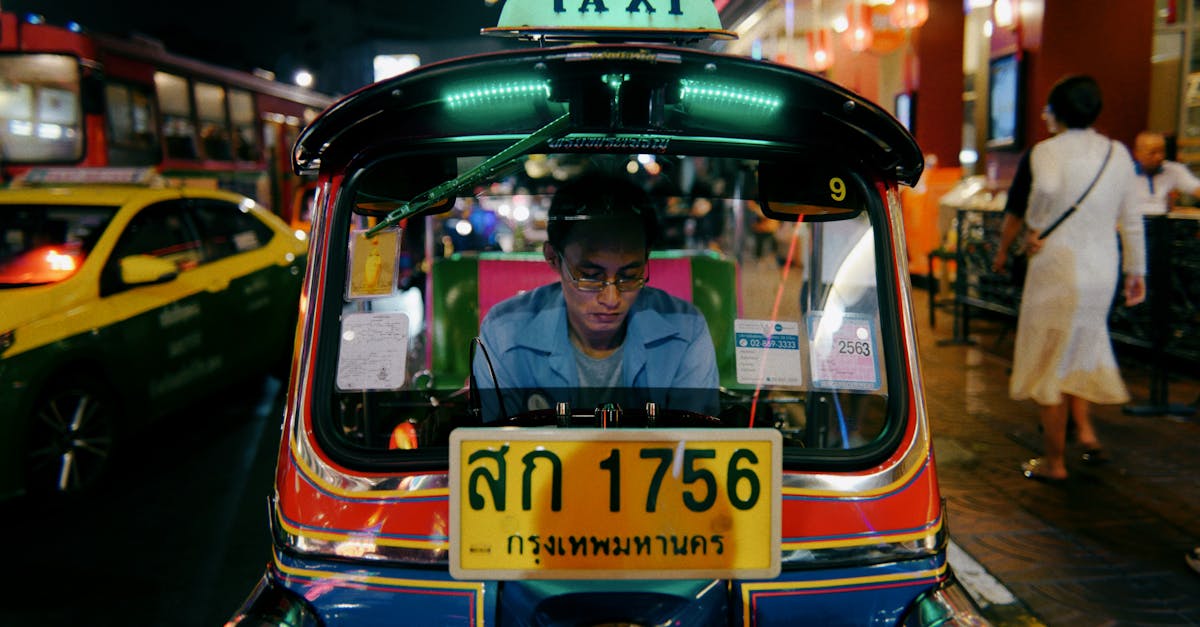 This photo was taken by billow926 on Pexels.
The Pros and Cons of Hailing a Metered Taxi
Hailing a Metered Taxi
Taking a metered taxi in Bangkok offers the most authentic and often cost-effective way to navigate the city, provided you can secure one with the driver willing to use the meter. The primary advantage is transparency; when the fare is calculated based on distance and time, you avoid the inflated prices that tourists frequently encounter with unlicensed drivers or aggressive tuk-tuk operators. Furthermore, standard taxis are generally more comfortable and spacious than tuk-tuks, offering air conditioning and protection from the relentless tropical heat and humidity, making them ideal for longer journeys across the sprawling metropolis.
However, the main drawback lies in the unpredictability of finding a good driver, as many motorists prefer fixed-rate negotiations over the meter to maximize their earnings during peak hours or heavy traffic jams. You may face situations where a driver refuses your request to turn on the meter, forcing you to either haggle for an exorbitant flat rate or walk away to find another vehicle, which can be frustrating when you are pressed for time. Additionally, while the meter keeps costs reasonable, it does not account for potential surcharges added for airport pickups or late-night travel, so always ensure the driver acknowledges these fees upfront to avoid unpleasant surprises at the end of your ride.
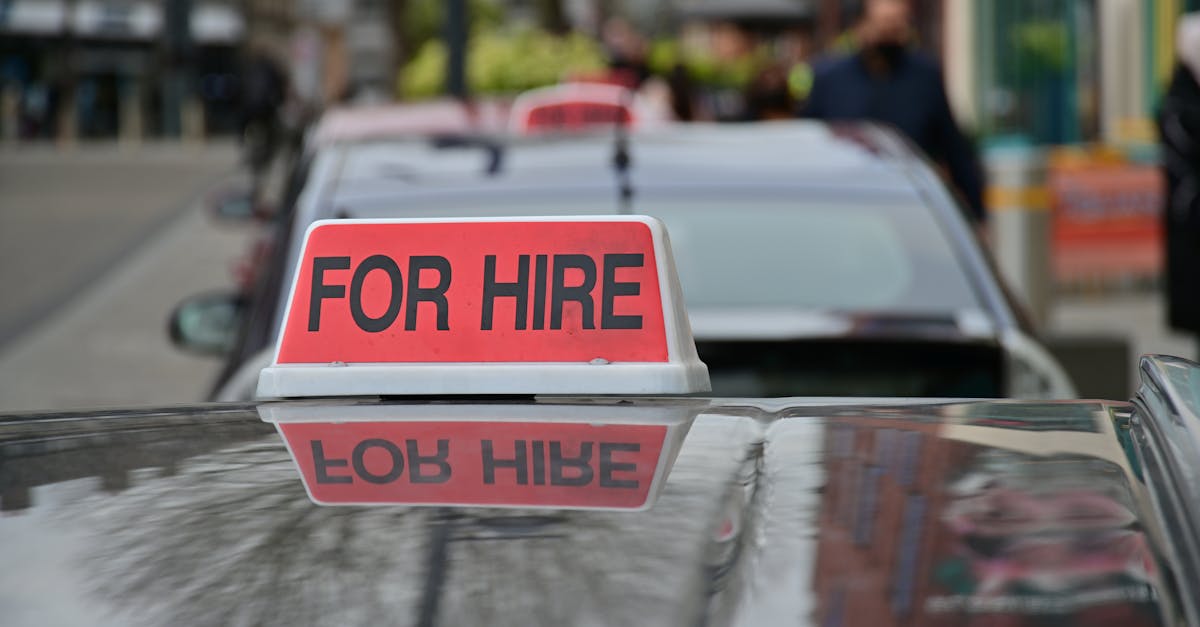 This photo was taken by Watford London Media on Pexels.
Why Grab Might Be Your Best Bet for Price Transparency
Why Grab Might Be Your Best Bet for Price Transparency
In the chaotic dance of Bangkok's traffic, where haggling can feel like a full-time job and meter manipulation is a common frustration for visitors, Grab offers a refreshing sense of security by locking in your fare before you even step inside. Unlike traditional taxis that may insist on "flat rates" during rush hour or tuk-tuks that require intense negotiation to agree on a destination price, the app calculates the exact cost based on real-time distance and traffic conditions, ensuring there are no hidden surprises upon arrival. This upfront pricing model eliminates the anxiety of not knowing how much a ride will cost, allowing you to budget your daily expenses with confidence while navigating the city's notoriously congested streets.
Furthermore, this digital transparency extends beyond just the initial quote, as it provides a clear breakdown of the journey from pickup to drop-off, complete with an electronic receipt that serves as proof of payment. For tourists wary of being overcharged due to language barriers or unfamiliarity with local routes, Grab removes the human element of potential deception, offering a standardized service that treats every passenger fairly regardless of their appearance or nationality. By choosing this app-based solution, you gain the freedom to focus entirely on enjoying the vibrant sights of Bangkok rather than worrying about whether your driver has taken the scenic route to inflate the bill.
 This photo was taken by Magda Ehlers on Pexels.
Tuk-Tuks: A Chaotic but Memorable Ride or a Tourist Trap?
Navigating the labyrinthine streets of Bangkok in a tuk-tuk is an experience that defies conventional logic, offering a raw, unfiltered glimpse into the city's vibrant chaos. As you sit perched on those narrow seats with your legs dangling, the wind whips through your hair while the engine roars and the driver expertly weaves through gridlock that would leave a car stuck for hours. This three-wheeled adventure is undeniably memorable, providing a sense of freedom and immediacy that enclosed vehicles simply cannot match, yet it requires a willingness to embrace the unpredictability of the ride. However, this thrill comes with a caveat: many drivers at tourist hotspots operate as informal traps, often quoting exorbitant prices or taking passengers on detours to commission-based shops rather than their intended destination.
To truly enjoy the tuk-tuk without falling victim to these common pitfalls, it is essential to approach the ride with clear expectations and local knowledge. Unlike taxis or Grab rides where fares are metered or digitally calculated, tuk-tuks rely entirely on negotiation, making it crucial to agree on a price before stepping aboard or to use a reputable tour operator who can arrange safe transport. While they may not be the most efficient mode of transport for long distances during rush hour, tuk-tuks shine when exploring narrow alleys inaccessible to larger cars or for short, scenic jaunts through historic districts like Rattanakosin. By treating them as a special cultural excursion rather than a practical commute, travelers can transform a potentially frustrating encounter into a cherished memory of Bangkok's unique street energy.
 This photo was taken by Riya Kumari on Pexels.