Navigating Bangkok: The Ultimate Metro and Boat Transport Guide
 This photo was taken by Riaan Beylefeld on Pexels.
Welcome to the vibrant heart of Thailand, where ancient temples stand alongside gleaming skyscrapers in a dynamic city that never sleeps. For any traveler exploring Bangkok, mastering its unique transport system is the key to unlocking the true essence of this bustling metropolis. Whether you are eager to zip above the traffic on the BTS Skytrain and MRT Subway or prefer the scenic charm of gliding along the Chao Phraya River and navigating the intricate network of khlongs by long-tail boat, this guide has you covered. Get ready to ditch the taxi queues and discover the most efficient, affordable, and exhilarating ways to see every corner of our beautiful city.
Mastering the BTS Skytrain and MRT Subway Network
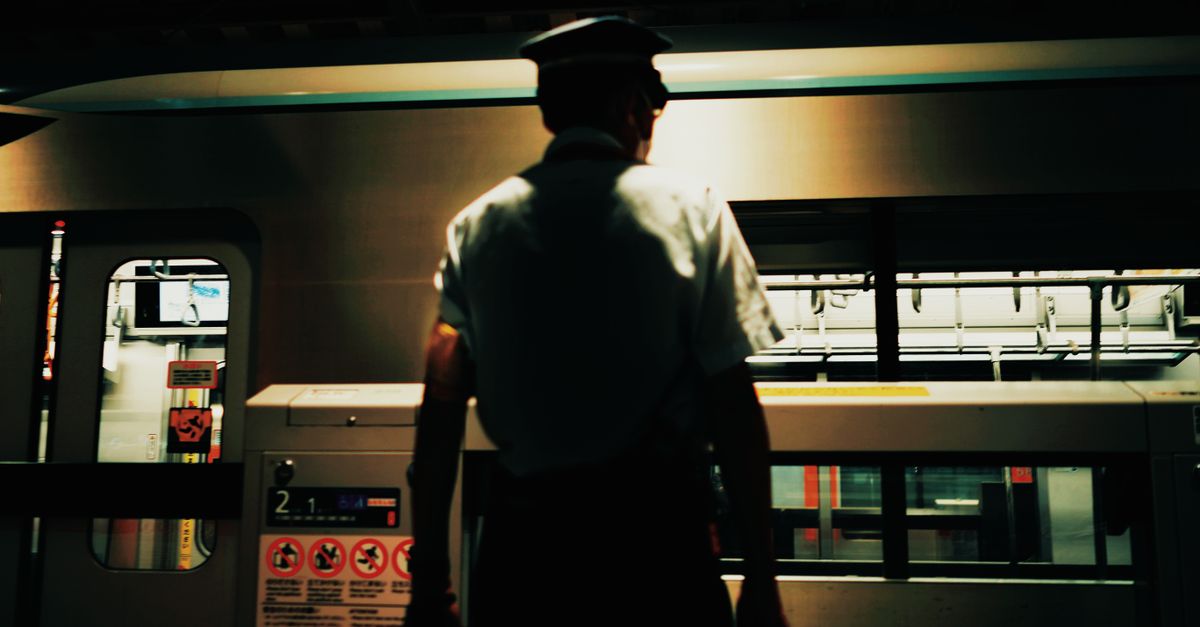
Tackling Bangkok's bustling streets becomes effortless once you master the dual networks of the BTS Skytrain and MRT Subway, which serve as the city's lifeline for tourists. The BTS, with its sleek silver trains gliding above the traffic on elevated tracks, is your best bet for reaching iconic spots like Siam Square, Asiatique, and the vibrant nightlife of Sukhumvit, while the MRT offers a cool, air-conditioned escape underground to historical gems such as the Grand Palace and Chatuchak Market. To navigate seamlessly, purchase a Rabbit Card for the BTS or an MRT card at any station; these reloadable cards allow you to hop between lines without fumbling for exact change, saving valuable time during peak hours when the city outside feels like a sea of honking taxis and tuk-tuks.
For the savvy traveler, understanding the transfer points between these two systems unlocks the entire metropolis, turning a chaotic journey into a smooth adventure. You can easily switch from the BTS Silom line to the MRT Blue Line at Sam Yan or Phetchaburi stations, creating a grid that covers almost every major attraction within minutes. Remember that while both systems are modern and generally safe, be mindful of your belongings in crowded carriages and keep your tickets handy until you exit the gates, as the network extends far beyond the city center to connect you with the airport via the Airport Rail Link. With a little practice reading the color-coded maps and following the clear signage, you will soon find yourself navigating Bangkok faster than any ground vehicle could ever hope to match.
 This photo was taken by Süha on Pexels.
Cruising the Chao Phraya: A Guide to Public Ferries
Cruising the Chao Phraya: A Guide to Public Ferries
While the BTS Skytrain and MRT subway offer speed through the city's concrete jungle, nothing captures the true soul of Bangkok quite like gliding along the Chao Phraya River on a public ferry. These colorful boats serve as the city's most affordable and scenic transit system, connecting major landmarks like the Grand Palace, Wat Arun, and Asiatique The Riverfront with ease. To board, simply head to any riverside pier marked with the distinctive blue sign featuring a boat icon; you can pay your fare in cash directly to the staff on board or use a Rabbit Card at select terminals. The journey offers a unique perspective where ancient temples rise majestically from the water's edge, providing a refreshing breeze and a slower pace that contrasts beautifully with the bustling traffic on the streets above.
For visitors looking to maximize their experience, it is essential to choose the right line, as the orange-flagged Chao Phraya Tourist Boat offers a hop-on-hop-off service perfect for sightseeing, while the green-flagged local express boats zip past stops to save time for commuters. Be sure to check the operating hours carefully, as ferries typically run from early morning until late evening, with frequencies dropping significantly after 8 PM. Whether you are catching the sunset over the river or rushing to catch a dinner cruise, the public ferries provide an authentic, budget-friendly way to navigate this floating city, immersing you in the rhythm of Bangkok's lifeblood waterways.
 This photo was taken by Diego F. Parra on Pexels.
Navigating the Khlongs with Long-Tail Boats and Klong Saen Saep
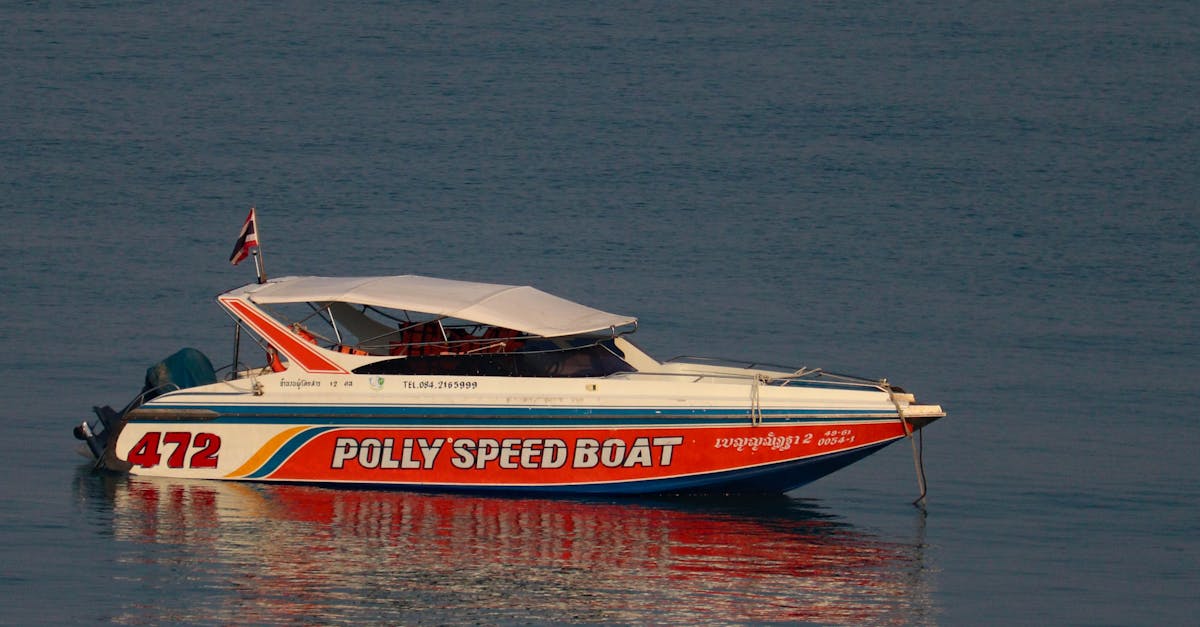
While the BTS Skytrain and MRT subway dominate Bangkok's modern transit map, the city's true soul beats within its intricate network of khlongs (canals), best explored aboard a vibrant long-tail boat. These iconic vessels, with their distinctive propeller shafts that resemble a tail, weave through narrow waterways that are inaccessible to larger ferries, offering an intimate glimpse into riverside life where stilt houses line the banks and monks walk along floating pathways. For the adventurous traveler, hiring a private long-tail boat for a sunset tour provides a unique perspective of historic temples like Wat Arun from the water, allowing you to dodge the traffic jams on land while listening to the rhythmic chug of the engine and the local chatter of passengers enjoying the breeze.
For those seeking a faster, more budget-friendly aquatic commute, the Klong Saen Saep is a legendary experience that locals rely on daily. This bustling canal serves as a natural expressway where dozens of small, open-air boats compete to ferry commuters between the city center and the eastern suburbs in record time. Unlike the leisurely long-tail tours, this is a high-energy ride where you stand or sit on benches inside the boat, dodging other vessels and splashing water as they speed past; it is an authentic, chaotic, and thrilling way to traverse Bangkok that costs only a few baht per trip. Be sure to have your exact change ready, as there is no ticket counter, and simply hop off at any stop along the route that suits your destination.
 This photo was taken by natureVisions.ch Markus on Pexels.