Navigating Bangkok: A Beginner's Guide to BTS, MRT, and Taxis
 This photo was taken by Alexander Taranenko on Pexels.
Welcome to the vibrant heart of Thailand, where ancient temples stand shoulder-to-shoulder with futuristic skyscrapers and the air is always thick with the scent of street food. As a local guide who has spent years exploring every corner of this dynamic city, I know that for many first-time visitors, the sheer energy of Bangkok can be both exhilarating and slightly overwhelming—especially when it comes to getting around. But fear not! Navigating this sprawling metropolis doesn't have to be a chaotic adventure. In this guide, we will demystify the city's transport network, walking you through the seamless experience of the BTS Skytrain and MRT subway systems, helping you decide when to hop in a taxi or use a ride-share app to beat the notorious traffic, and ensuring you feel safe and confident while managing fares. Whether you are rushing to a meeting or leisurely chasing the perfect pad thai, let's get you moving like a local.
Mastering the Skytrain and Subway: A Step-by-Step BTS & MRT Guide
Mastering the Skytrain and Subway: A Step-by-Step BTS & MRT Guide
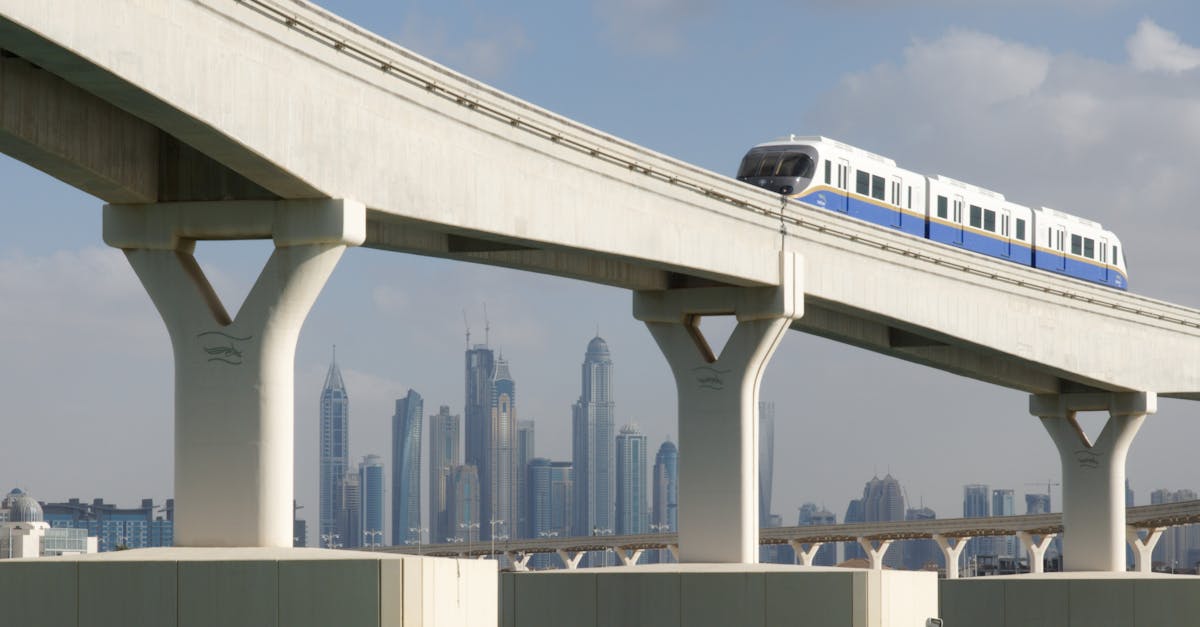
Navigating Bangkok's modern transit network begins with understanding the distinct roles of the BTS Skytrain and the MRT subway, two systems that together offer a fast, air-conditioned escape from the city's notorious traffic. Start by visiting any station to purchase a stored-value card or single-journey tokens at the automated machines; while English is widely available on signage, having a screenshot of your destination's Thai name can be helpful for staff assistance. The BTS primarily serves the central business districts and shopping hubs along Sukhumvit and Silom roads, making it ideal for tourists heading to areas like Siam, Asok, or National Stadium, whereas the MRT complements this with lines extending further out to historic sites like Wat Pho and Chatuchak Market, often requiring a transfer between the two systems to reach your final destination.
To ensure a smooth journey, remember that both networks operate on a distance-based fare system, so check the price map before boarding to top up your card accordingly. Once inside, look for the colored line indicators—pink for BTS and blue or yellow for MRT—to confirm you are on the correct route, and always stand behind the yellow safety line on the platform until the train arrives. While trains run frequently from early morning until late evening, avoid peak hours between 7:00 AM and 9:00 AM, and again from 5:00 PM to 7:30 PM if possible, as carriages can become incredibly crowded; with these simple steps, you will effortlessly glide through Bangkok's urban landscape, leaving the chaotic streets below for the comfort of the rails above.
 This photo was taken by Gu Bra on Pexels.
Tackling Traffic with Confidence: When to Choose a Taxi or Ride-Share
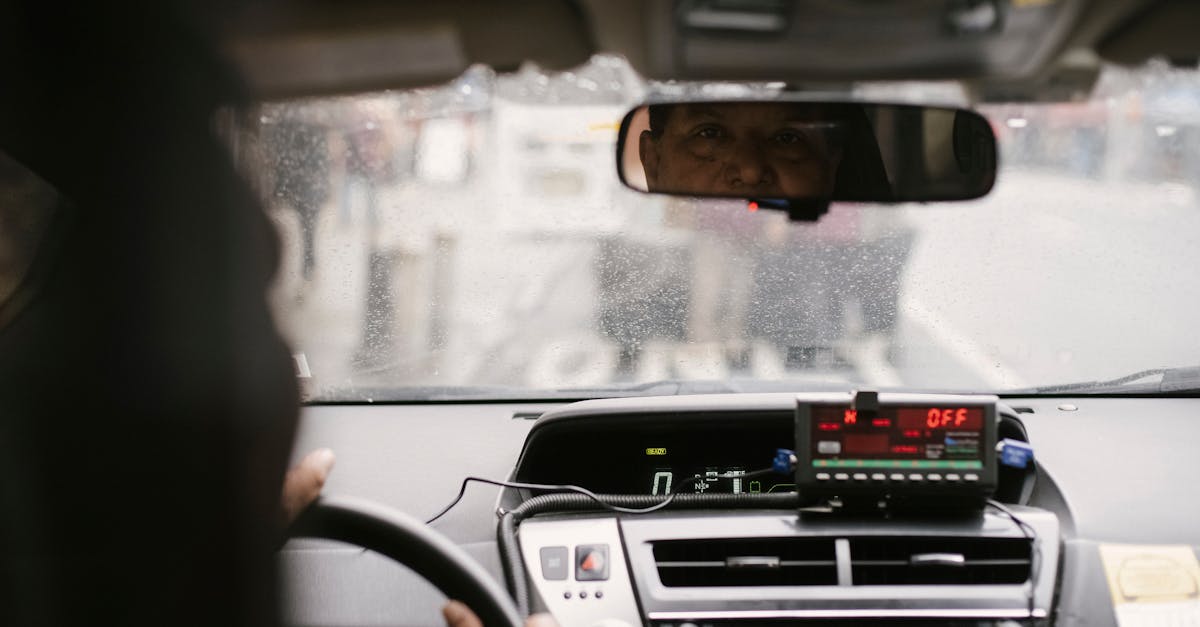
When the notorious Bangkok traffic gridlock slows your journey to a crawl, deciding between a taxi and a ride-share app can make the difference between frustration and a smooth trip. While traditional taxis are ubiquitous and often cheaper for short distances, they require you to be vigilant about meter usage and potential route disputes; always insist the driver uses the meter or negotiate a firm price before entering the vehicle. Ride-sharing services like Grab, however, offer a more transparent experience with upfront pricing and GPS-tracked routes, which is particularly reassuring for first-time visitors who want to avoid language barriers and unexpected surcharges during peak hours.
The timing of your travel plays a crucial role in this decision, as rush hour from 7:00 AM to 9:30 AM and again from 5:00 PM to 8:00 PM can turn even the shortest cross-city trips into hour-long ordeals regardless of your transport mode. If you find yourself stranded on a scorching hot day with no air conditioning available, a ride-share might provide a more comfortable cabin environment compared to some older taxi models, though it comes at a premium cost. Ultimately, if you are traveling within the central business district where traffic is predictable, a standard taxi is perfectly viable, but for late-night journeys or when you need guaranteed reliability without haggling, booking a ride-share through an app offers the confidence needed to navigate the city's chaotic streets safely.
 This photo was taken by Tim Samuel on Pexels.
Navigating Fares, Apps, and Safety Tips for First-Time Visitors
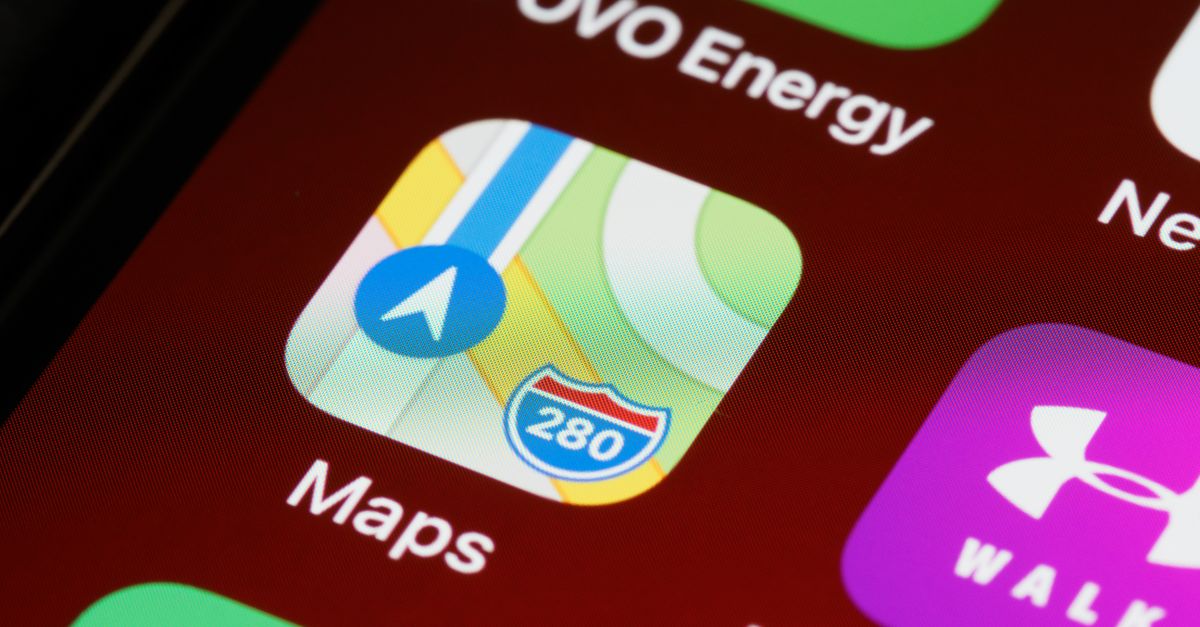
Getting around Bangkok is an adventure in itself, and understanding the fare systems for the BTS Skytrain and MRT Subway is key to saving both time and money. Both rail networks operate on a distance-based pricing model that is straightforward to navigate via their user-friendly apps or ticket vending machines, which accept cash and contactless cards; however, be prepared for peak hour surges where trains can become incredibly crowded. For those venturing beyond the rails, ride-hailing apps like Grab are highly recommended over hailing random street taxis, as they provide upfront pricing, English-language interfaces, and driver tracking, effectively eliminating the confusion of meter tampering or route disputes that sometimes plague traditional taxi services.
Safety while navigating these transport options largely depends on situational awareness and smart planning. When using public transit, keep your valuables secured against your body and remain vigilant during stop-and-go traffic or when boarding crowded platforms, as pickpocketing can occur in busy areas. If you choose to take a taxi, always ensure the driver engages the meter before departure; if they refuse, politely decline the ride and seek another vehicle or switch to a ride-hailing app. Furthermore, it is wise to carry small denomination bills for fares and tips, and always have your hotel's address written in Thai script handy to show drivers, ensuring a smooth and secure journey through the vibrant streets of the city.
 This photo was taken by Brett Jordan on Pexels.