Monsoon Season vs. Dry Season: When is the Best Time to Visit?
 This photo was taken by Md Nadim Mahmud on Pexels.
Welcome to the City of Angels! As your local guide, I know that one of the most common questions I receive is, "When should I come to Bangkok?" The answer isn't a simple date on the calendar, but rather a choice between two distinct rhythms of life. Whether you are drawn to the lush, vibrant landscapes and fewer crowds of the rainy months or prefer the crisp sunshine and beach-ready weather of the dry season, both times offer their own magic. In this post, we'll explore the unique charm of the monsoon, the classic allure of the dry season, and how to weigh the forecast against your travel dreams so you can plan the perfect Bangkok adventure.
Embracing the Green: Why the Monsoon Season Offers Unique Experiences
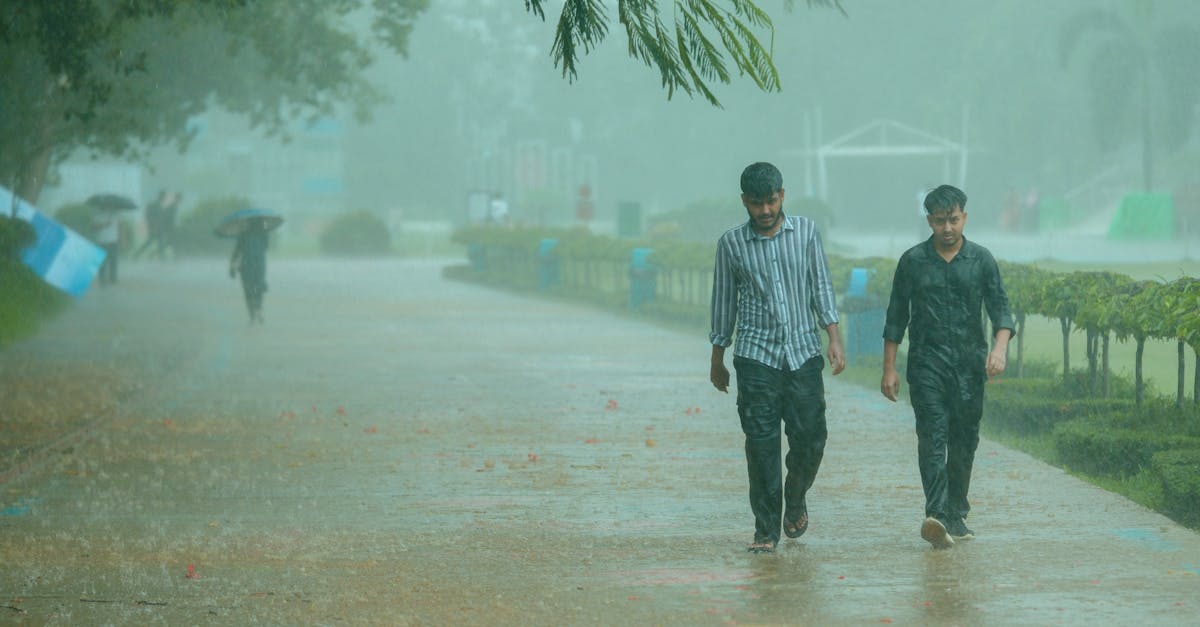
While many travelers associate Bangkok with scorching heat, the monsoon season from May to October unveils a lush, vibrant side of the city that is often overlooked. The relentless tropical rains transform the sprawling concrete jungle into a verdant paradise, turning parks like Lumphini and Benjakitti into emerald sanctuaries teeming with life. During these months, the humidity gives way to refreshing showers that wash away the dust, leaving the air crisp and the sky a dramatic canvas of swirling grey clouds and brilliant sunbeams. This unique atmospheric play creates stunning photography opportunities and offers a serene escape from the usual crowds, allowing you to explore the city's green lungs in their most tranquil state.
Beyond the scenery, embracing the monsoon brings a distinct cultural rhythm to your visit, as the city slows down just enough for you to savor its authentic charm without the rush of peak tourism. You can enjoy world-class shopping malls and rooftop bars with significantly fewer queues, while local markets come alive with seasonal produce and street food vendors who thrive in the humid weather. Furthermore, the rain often triggers a sense of community and warmth among locals, making interactions more personal and inviting. By choosing this time to visit, you are not just seeing a different version of Bangkok; you are experiencing the heartbeat of Thailand during its most nourishing and renewing cycle.
 This photo was taken by Erik Mclean on Pexels.
Sun, Sand, and Serenity: The Allure of the Dry Season
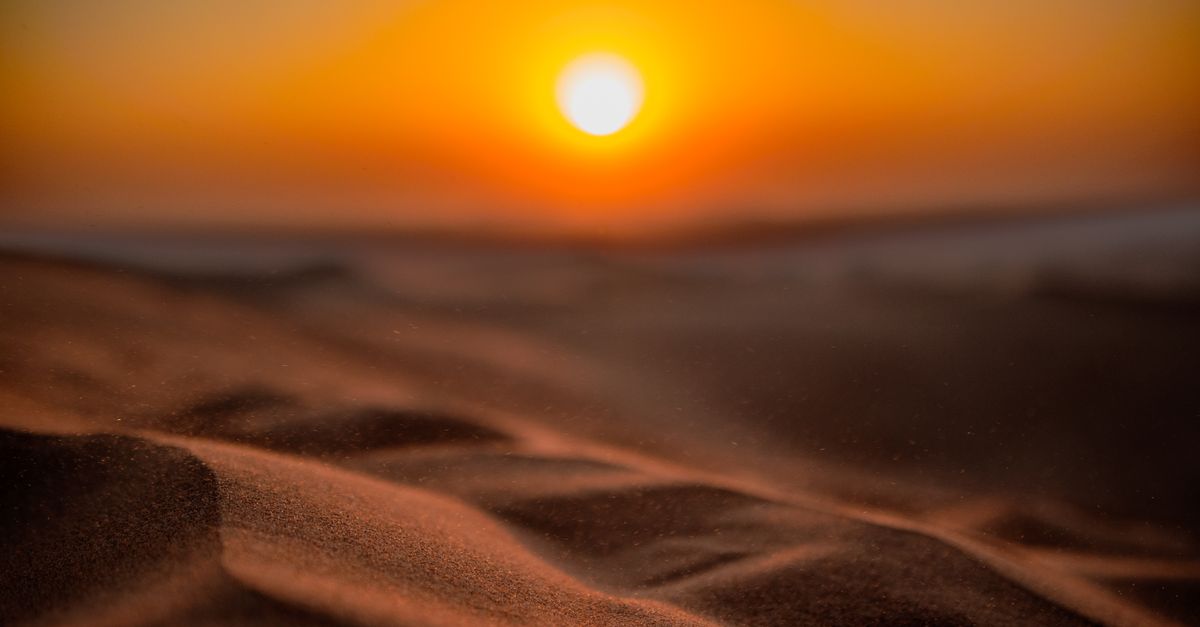
When the skies clear and the humidity settles into a warm embrace, Bangkok enters its magical dry season, typically running from November to February. This period offers the perfect backdrop for exploring the city's iconic landmarks, from the golden spires of Wat Arun to the bustling streets of Chinatown, without the interruption of sudden tropical downpours. The air is crisp and cool in the early mornings, making it an ideal time for leisurely boat rides along the Chao Phraya River or strolling through the sprawling greenery of Lumphini Park. With sunshine dominating the days and comfortable temperatures averaging around 25°C to 30°C, visitors can fully immerse themselves in the vibrant street food culture and outdoor festivals that define the Thai spirit.
While the monsoon brings lush landscapes, the dry season provides a different kind of serenity that allows travelers to truly soak in the "Land of Smiles" at their own pace. The reliable weather patterns mean your plans won't be derailed by rain, whether you are booking a day trip to the ancient ruins of Ayutthaya or relaxing on a rooftop bar overlooking the glittering skyline. This is also the peak time for cultural experiences, as many major events, including the magnificent Loy Krathong festival with its floating lanterns, take place during these months. For those seeking a balance between adventure and relaxation, the sun-drenched days of the dry season offer an unforgettable canvas where every moment feels like a postcard come to life.
 This photo was taken by Deepak Ramesha on Pexels.
Weathering the Forecast: How to Choose Your Perfect Bangkok Visit
Understanding Bangkok's tropical climate is the first step to crafting an unforgettable itinerary, as the city transforms dramatically between its distinct monsoon and dry seasons. The dry season, stretching from November to February, offers the most comfortable conditions with cooler temperatures and minimal rainfall, making it ideal for exploring outdoor attractions like the Grand Palace or navigating the bustling street markets on foot. However, this period also coincides with peak tourist traffic and higher accommodation rates, so travelers seeking a balance of pleasant weather and manageable crowds might consider the shoulder months of March or October, where the heat begins to build but the heavy rains have not yet fully set in.
Conversely, visiting during the monsoon season from May to October presents a unique, lush perspective of the city, characterized by vibrant greenery and significantly fewer tourists, though visitors must be prepared for intense, short-lived downpours that can disrupt travel plans. While these sudden showers often clear quickly, leaving humid air in their wake, they provide excellent opportunities for indoor cultural experiences such as museum visits or enjoying world-class shopping malls, which serve as perfect retreats from the rain. Ultimately, choosing the right time depends on your priorities: if you crave sunny skies for temple hopping, the dry season is your best bet, but if you prefer a more authentic, less crowded atmosphere and don't mind embracing the occasional tropical storm, the monsoon months offer a magical, albeit wetter, charm.
 This photo was taken by Loic Van Montagu on Pexels.