Getting Around Safely: Taxis, Grab, and Tuk-Tuks Explained
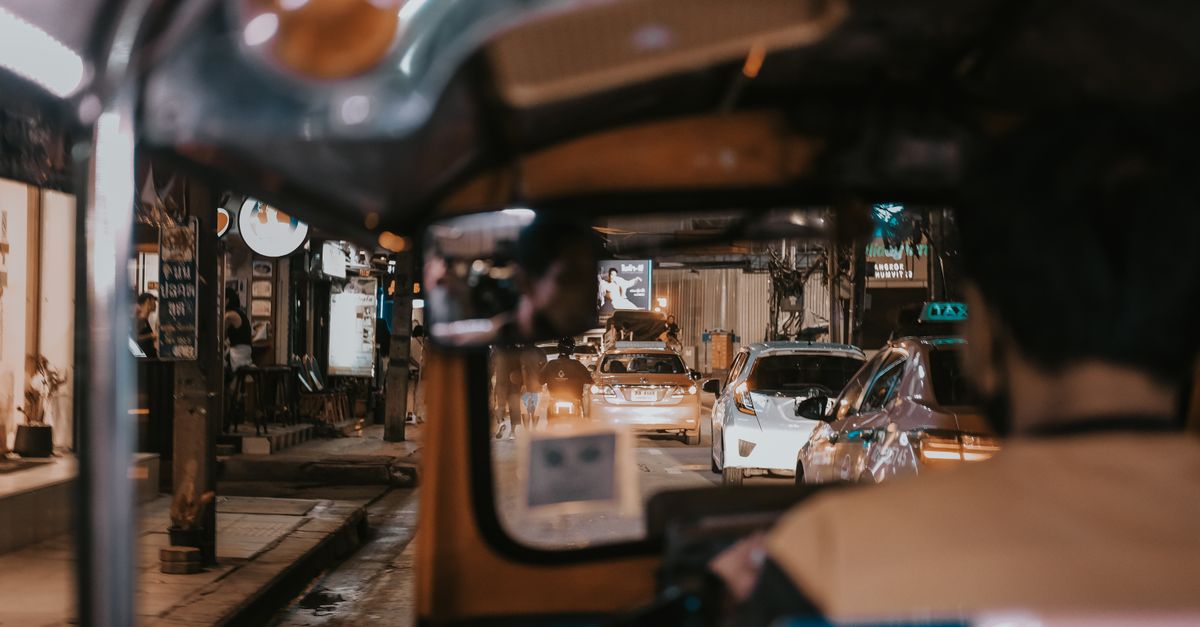 This photo was taken by Faheem Ahamad on Pexels.
Welcome to the bustling heart of Thailand! As your local guide, I know that navigating Bangkok's vibrant streets can feel like stepping into a whirlwind of colors, sounds, and endless energy. But let's be honest: for many first-time visitors, the biggest hurdle isn't finding the best pad thai or the grandest temples—it's figuring out how to get from point A to point B without getting lost or overcharged. With thousands of vehicles clogging our arteries every day, choosing the right mode of transport is crucial for a smooth and safe adventure. In this post, we'll break down the realities of metered taxis, explain why Grab has become the digital lifeline for tourists, and share essential tips on how to enjoy an iconic tuk-tuk ride while steering clear of common scams. Let's dive in and make your journey through the City of Angels as seamless as it is exciting.
Navigating Bangkok's Streets: The Pros and Cons of Metered Taxis
Subheading: Navigating Bangkok's Streets: The Pros and Cons of Metered Taxis
Using metered taxis in Bangkok remains one of the most cost-effective ways to traverse the city, offering a comfortable escape from the sweltering heat and chaotic traffic for a fraction of the price of private tours. The primary advantage is transparency; by insisting on "by meter" when you enter, you avoid the notorious price gouging that often targets tourists at train stations or tourist hotspots. These air-conditioned sedans provide a reliable shield against the humidity, allowing you to relax while the driver navigates the famous gridlock, making them ideal for medium-distance trips across districts like Sukhumvit or Silom where speed matters less than comfort.
However, the experience is not without its frustrations, primarily stemming from drivers who refuse to use the meter or claim it is broken to demand a flat, inflated rate. This issue is exacerbated during peak rush hours or rainy days when supply dwindles, leading to aggressive haggling or drivers taking unnecessarily long routes to inflate the fare. Furthermore, navigating through heavy congestion can sometimes result in significant delays, meaning your journey time may be unpredictable compared to the rapid transit system, so patience and a firm stance on using the meter are essential skills for any visitor relying on this mode of transport.
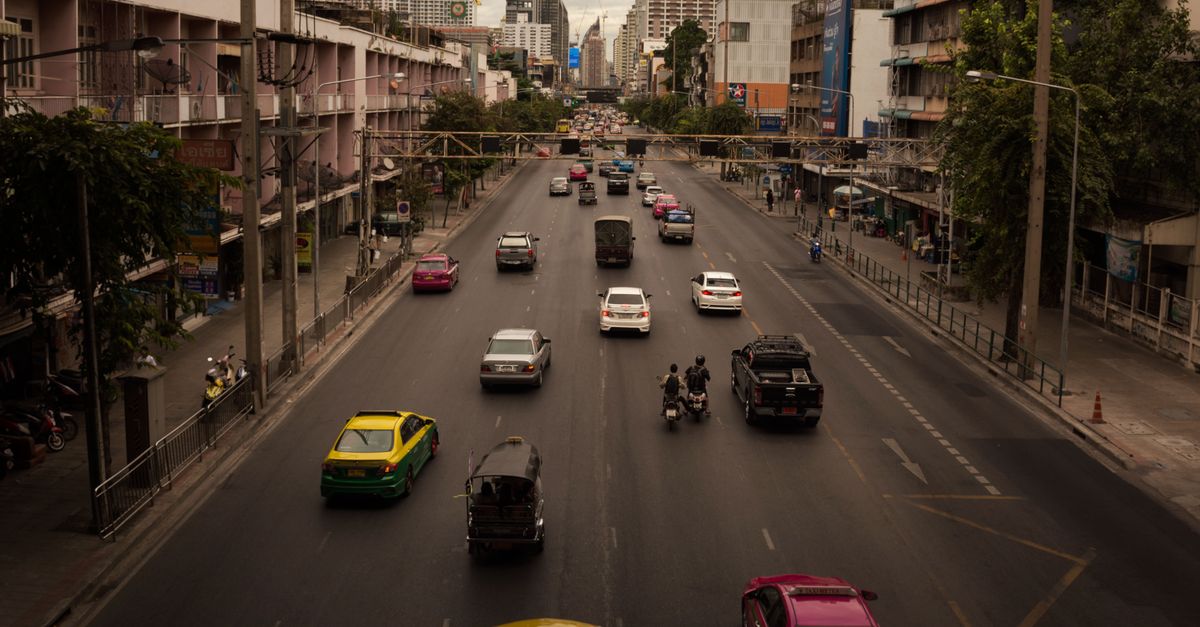 This photo was taken by Natalie Birdy on Pexels.
The Digital Advantage: Why Grab is the Tourist's Top Choice
Navigating Bangkok's bustling streets can be a thrilling yet daunting experience, but Grab has emerged as the ultimate digital lifeline for travelers seeking convenience and transparency. Unlike traditional taxis where haggling is often expected or drivers might take longer routes to inflate fares, the Grab app provides upfront pricing that eliminates any surprise costs or language barriers. With just a few taps on your smartphone, you can summon a reliable vehicle directly to your location, whether you are stranded near the chaotic Khao San Road or waiting outside the grandeur of the Grand Palace, ensuring a stress-free journey from point A to B without the anxiety of negotiating in Thai.Beyond the financial clarity, Grab offers an unparalleled layer of safety and accountability that is crucial for tourists unfamiliar with local traffic patterns. Every ride is tracked in real-time, complete with driver details, license plate numbers, and a digital record of your route, providing peace of mind especially during late-night explorations or solo trips. This digital advantage extends to customer support; should any issue arise during your ride, help is just a click away through the app's integrated chat and emergency features, making it the most secure and efficient way to traverse the city compared to the unpredictable nature of street-hailed tuk-tuks or unregistered taxis. This photo was taken by Erik Mclean on Pexels.
Iconic or Risky? How to Ride a Tuk-Tuk Without Getting Scammed
Navigating Bangkok's bustling streets in a tuk-tuk offers an unforgettable, wind-in-your-hair experience that defines the city's chaotic charm, but it requires a sharp eye to avoid becoming a victim of tourist traps. These iconic three-wheeled vehicles are notorious for drivers who may claim your destination is closed, propose exorbitant "tourist rates," or take you on circuitous routes to partner shops where they earn commissions. To ride safely, always agree on a firm price before climbing aboard and insist the driver uses the meter if one is available, though this is rare; alternatively, treat the fare as a negotiation starting at a standard local rate rather than a tourist premium, and be prepared to walk away if the deal feels suspicious.While the thrill of zipping through traffic is undeniable, many seasoned travelers now prefer ride-hailing apps like Grab for their transparency and safety, reserving tuk-tuks strictly for short, scenic rides within designated tourist zones like around the Grand Palace or along Khao San Road. If you choose the traditional route, never get into a stationary tuk-tuk waiting outside major attractions without a prior agreement, as these are often manned by drivers looking to exploit first-time visitors. By staying alert, carrying small denomination bills for exact change, and trusting your instincts when a driver seems overly pushy, you can enjoy this quintessential Thai mode of transport without falling prey to common scams, turning a potentially risky encounter into a memorable cultural highlight. This photo was taken by Shantum Singh on Pexels.