Getting Around: Mastering the BTS, MRT, and Tuk-Tuk Systems
 This photo was taken by Blaz Erzetic on Pexels.
Welcome to the vibrant heart of Thailand, where the rhythm of Bangkok is defined by a unique blend of ancient traditions and modern hustle. For any first-time visitor, one of the most exciting yet daunting aspects of exploring this sprawling metropolis is figuring out how to move from point A to point B with ease and confidence. Whether you are chasing the thrill of the open-air skytrain, navigating the efficient underground subway system, or embracing the iconic chaos of a tuk-tuk ride through the old streets, understanding your transport options is the key to unlocking the true magic of the city. In this guide, we will walk you through mastering the BTS and MRT networks, share essential secrets for bargaining like a local in a three-wheeled chariot, and provide smart tips to help you avoid common tourist traps so you can focus on creating unforgettable memories without the stress of getting lost.
This photo was taken by Blaz Erzetic on Pexels.
Welcome to the vibrant heart of Thailand, where the rhythm of Bangkok is defined by a unique blend of ancient traditions and modern hustle. For any first-time visitor, one of the most exciting yet daunting aspects of exploring this sprawling metropolis is figuring out how to move from point A to point B with ease and confidence. Whether you are chasing the thrill of the open-air skytrain, navigating the efficient underground subway system, or embracing the iconic chaos of a tuk-tuk ride through the old streets, understanding your transport options is the key to unlocking the true magic of the city. In this guide, we will walk you through mastering the BTS and MRT networks, share essential secrets for bargaining like a local in a three-wheeled chariot, and provide smart tips to help you avoid common tourist traps so you can focus on creating unforgettable memories without the stress of getting lost.
Navigating the Skytrain (BTS) and Subway (MRT)
Mastering the Skytrain (BTS) and Subway (MRT)
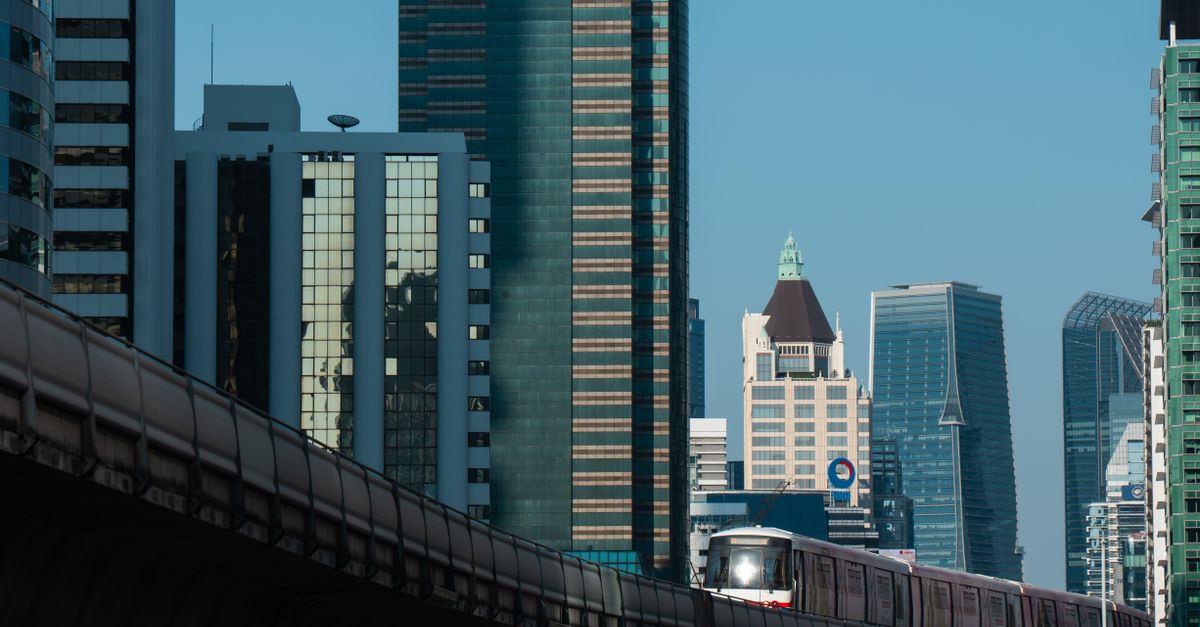
For visitors seeking a breeze-free escape from Bangkok's humid streets, the BTS Skytrain and MRT subway form the city's efficient backbone, connecting major districts with remarkable speed. The BTS primarily serves the bustling Sukhumvit Road and Silom corridors, offering scenic elevated views of the metropolis, while the MRT dives underground to link key cultural sites like Chatuchak Market and the historic Rattanakosin area. To navigate seamlessly, consider purchasing an Easy Card or a Rabbit Card for contactless travel, which allows you to transfer between lines without buying separate tickets; just remember that these two systems are not fully integrated yet, so plan your route carefully if switching lines at interchange stations like Asok or Siam.
While the trains are clean, air-conditioned, and generally punctual, it is wise to avoid the peak hours of 7:00–9:00 AM and 5:00–7:00 PM when crowds can be overwhelming. Most stations feature clear English signage and map displays, making it easy for tourists to identify their destination, though downloading a local transit app like Citymapper can provide real-time updates on train delays or service disruptions. By mastering these rapid transit networks, you can bypass the notorious traffic jams that often plague surface roads, ensuring you arrive at your next adventure—whether it's a rooftop bar in Thong Lor or a temple in the Old City—with time to spare and energy to explore.
 This photo was taken by Zaonar Saizainalin on Pexels.
The Art of Bargaining with Tuk-Tuk Drivers
The Art of Bargaining with Tuk-Tuk Drivers
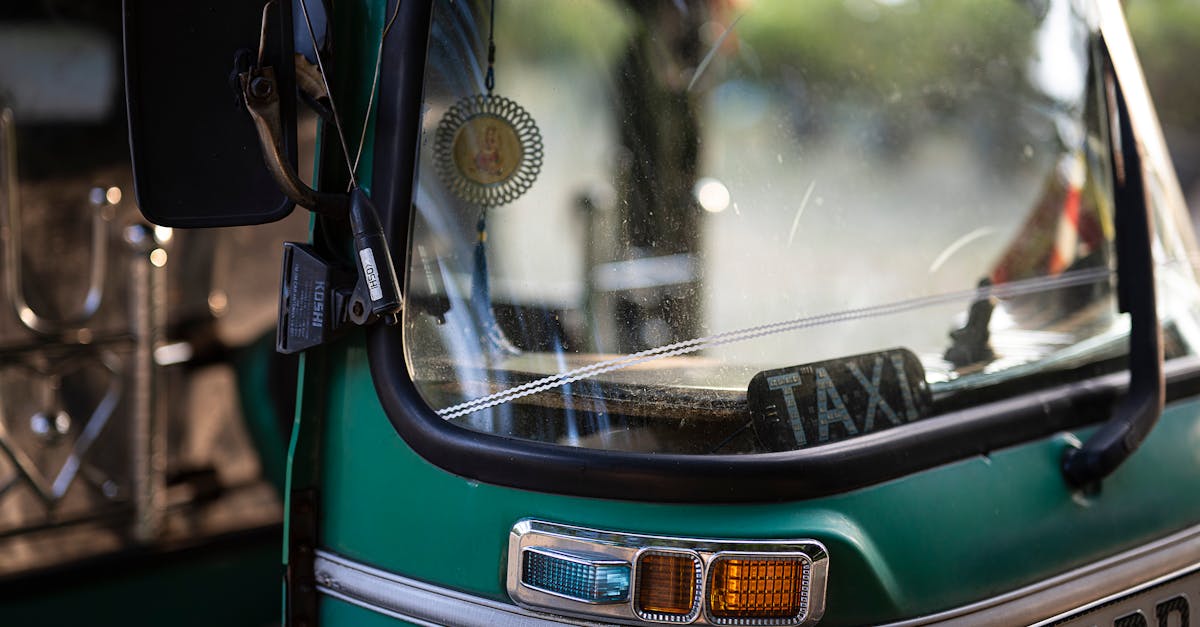
Hailing a tuk-tuk in Bangkok is an adventure in itself, but the real experience begins when you negotiate your fare. Unlike metered taxis or the fixed-price BTS and MRT systems, tuk-tuks operate on a "what you see is what you pay" basis, making bargaining not just a skill but a necessary part of the journey. Drivers often quote inflated prices to tourists, assuming they are unaware of local rates, so it is crucial to have a rough idea of the distance and standard costs before engaging. A friendly smile and a polite "how much?" followed by a counter-offer that is slightly lower than their initial quote usually sets the tone for a fair deal; remember that the goal is mutual agreement, not winning a battle, as haggling too aggressively can lead to the driver simply driving away.
To ensure a smooth transaction, always agree on the final price before climbing into the vehicle to avoid any unpleasant surprises upon arrival. It is also wise to carry small denomination bills, as drivers may claim they cannot make change for large notes, which can complicate the end of your ride. While bargaining adds a layer of cultural immersion to your trip, keep safety in mind: if a driver seems pushy or the agreed-upon route feels unsafe, trust your instincts and walk away. When done correctly, this lively exchange transforms a simple taxi ride into a memorable interaction with the vibrant street life that defines Bangkok's unique charm.
 This photo was taken by Miguel Cuenca on Pexels.
Avoiding Tourist Traps: Smart Transport Tips
 This photo was taken by Erik Mclean on Pexels.