Getting Around Like a Pro: BTS, MRT, Taxis, and Tuk-Tuks
 This photo was taken by Caique Araujo on Pexels.
Welcome to the vibrant heart of Thailand! Navigating Bangkok can feel like a thrilling adventure, but understanding its diverse transport network is the key to unlocking the city's true charm. From the sleek, air-conditioned pods of the Skytrain and subway system to the chaotic, colorful dance of tuk-tuks weaving through traffic, getting around requires a little local know-how. In this guide, we'll help you master the routes, avoid common tourist pitfalls, and move through the bustling metropolis with the confidence of a seasoned Bangkokian. Let's dive into how you can explore every corner of this amazing city efficiently and affordably.
Navigating the Skyways and Underground: BTS vs. MRT
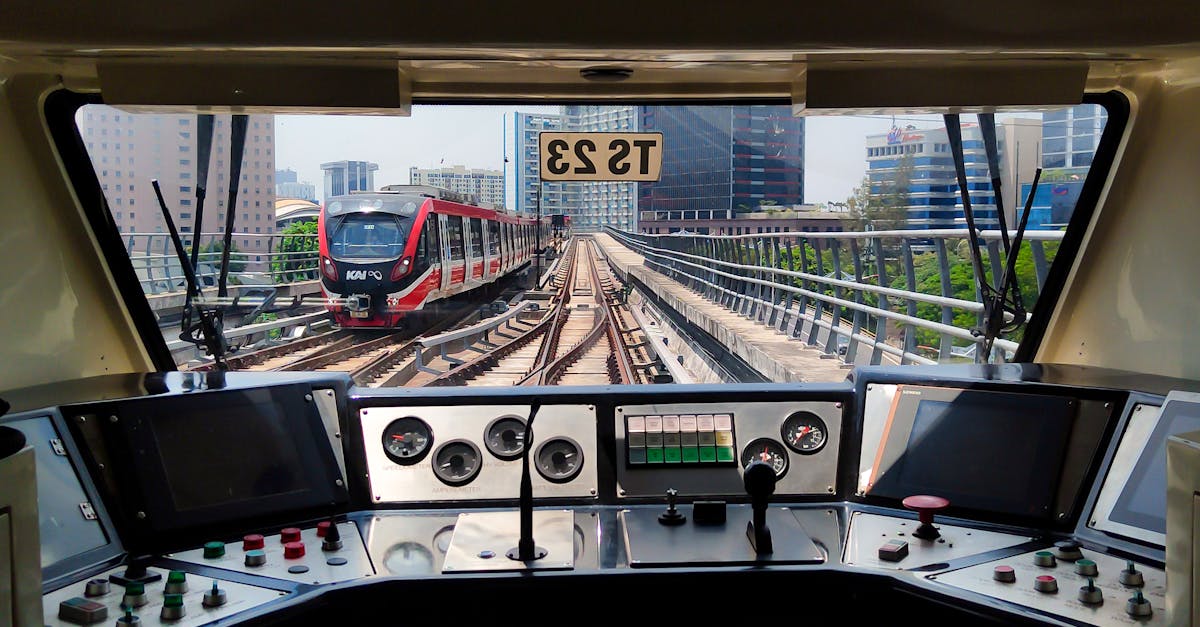
To truly master Bangkok's chaotic traffic, you must embrace its two distinct rail networks: the elevated BTS Skytrain and the underground MRT subway. The BTS primarily serves the bustling Sukhumvit and Silom corridors, offering a breezy, air-conditioned escape from the humid streets while connecting major shopping districts like Siam and Asok to the vibrant nightlife of Thong Lo. In contrast, the MRT dives beneath the city, running on lines that are essential for reaching cultural landmarks such as Chatuchak Market, the historic Old City with Wat Pho, and the modern financial district around Silom Road. While both systems are efficient and affordable, they often require a short walk or a quick taxi ride to bridge the gaps between their respective stations, so checking your map beforehand is key to seamless travel.
For the savvy tourist, the ideal strategy involves using these systems in tandem to avoid the notorious rush-hour gridlock that can turn a 5-kilometer journey into an hour-long ordeal. You can easily transfer between the BTS and MRT at key interchange points like Sukhumvit, Silom, and Mo Chit, allowing you to traverse the entire metropolis without ever stepping into a congested street. Remember that each system uses its own separate ticketing machine and card, though Rabbit cards for the BTS and TrueMoney Wallets for the MRT have simplified payment significantly. By prioritizing these sky-high and subterranean routes during peak hours, you not only save time but also experience the pulse of modern Bangkok from a unique vantage point, reserving taxis and tuk-tuks for those final "last-mile" adventures when you arrive at your destination.
 This photo was taken by Noel Snpr on Pexels.
Hailing a Ride: Taxis, Grab, and Tuk-Tuk Etiquette
Navigating Bangkok's bustling streets requires a mix of modern apps and local savvy, especially when hailing your transport. While the BTS Skytrain and MRT subway offer the fastest escape from traffic, road-based travel often means choosing between taxis, ride-hailing apps like Grab, or the iconic tuk-tuks. For taxis, always ensure the driver turns on the meter; if they refuse, politely decline and try another cab to avoid being overcharged. Alternatively, Grab is widely available and highly recommended for its transparent pricing and English-speaking support, eliminating the need for negotiation or language barriers entirely.When opting for the colorful, three-wheeled tuk-tuks, remember that these are more about the experience than efficiency, so expect higher fares and longer travel times during rush hour. Etiquette here involves agreeing on a price firmly before you even sit down, as drivers rarely use meters for short tourist rides. Dress modestly while riding, hold on tight during sharp turns, and be prepared for the wind and exhaust fumes. Whether you choose the air-conditioned comfort of a taxi, the reliability of an app, or the adrenaline of a tuk-tuk, staying alert and knowing the basic rules will ensure your journey through the City of Angels remains smooth and memorable. This photo was taken by Ketut Subiyanto on Pexels.
Avoiding Tourist Traps: Smart Transport Tips for Locals
Navigating Bangkok's chaotic streets requires more than just hopping into the nearest vehicle; savvy travelers know that avoiding tourist traps often starts with understanding the public transit system. The BTS Skytrain and MRT subway are your best allies, offering air-conditioned comfort and predictable fares that bypass the notorious traffic jams plaguing surface roads. While tuk-tuks offer an authentic cultural experience, they are frequently used to overcharge visitors who lack local knowledge, so always insist on using the meter or agree on a firm price before climbing in. For short distances where the trains don't reach, consider using ride-hailing apps like Grab, which provide transparent pricing and eliminate the need for haggling with drivers who might otherwise try to take you on scenic detours.
To truly get around like a pro, locals rely on a mix of transport modes tailored to their specific destination rather than relying solely on the flashy tuk-tuks often pushed by aggressive touts near major attractions. If you find yourself at a taxi stand, ensure the driver activates the meter immediately, as refusing this is a common tactic to inflate costs significantly. Furthermore, be wary of drivers suggesting "special temple tours" or "cheap markets" that actually lead to overpriced souvenir shops; these diversions are designed to earn commissions for the driver rather than benefit you. By sticking to the official rail networks for long hauls and using verified digital apps for door-to-door service, you not only save money but also immerse yourself in the city without falling prey to the typical scams targeting unsuspecting tourists.
 This photo was taken by Erik Mclean on Pexels.