Getting Around Like a Local: BTS, MRT, and Tuk-Tuk Etiquette
 This photo was taken by Bobby Randu on Pexels.
Welcome to the vibrant heart of Thailand, where the scent of street food mingles with the hum of a city that never sleeps. As your local guide, I know that navigating Bangkok can feel like a thrilling adventure or an overwhelming maze, depending on how you approach it. Whether you are dodging rush hour jams or soaring above the skyline, understanding the rhythm of our transit system is the key to unlocking the true soul of this magnificent city. In this post, we will dive deep into mastering the efficient Skytrain and Underground networks, uncover the playful art of haggling and riding in a Tuk-Tuk, and share the essential etiquette tips that will help you blend in seamlessly with the locals. Get ready to move through Bangkok with confidence, style, and a whole lot of smiles!
Mastering the Skytrain (BTS) and Underground (MRT)
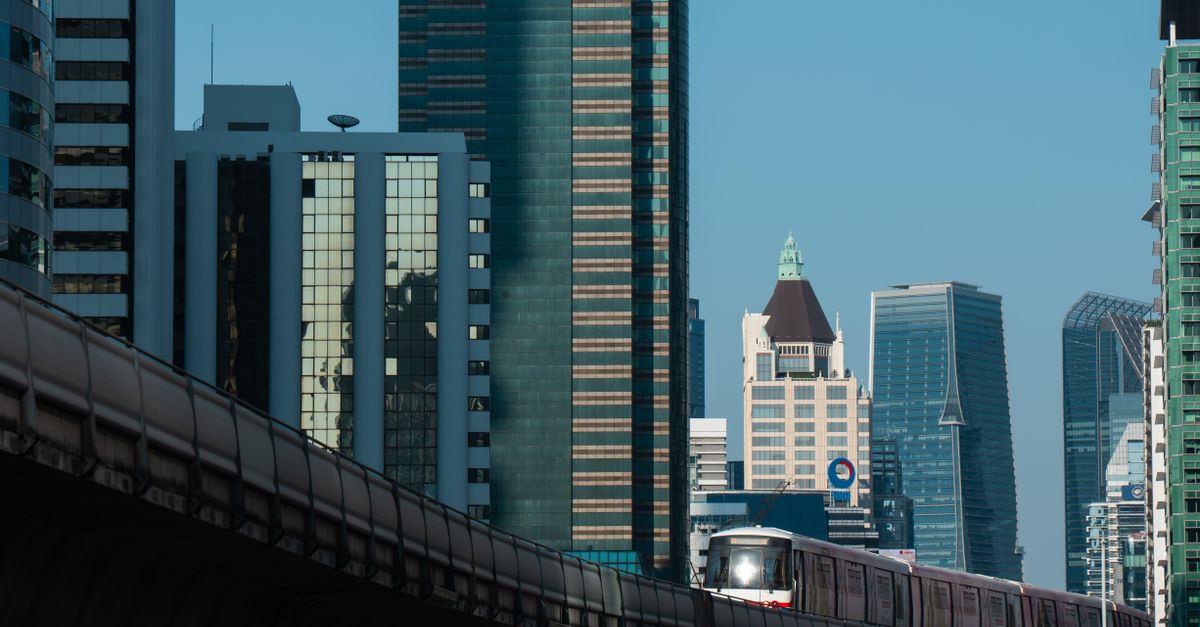
Navigating Bangkok's traffic-free corridors begins with mastering the Skytrain (BTS) and the underground Metro (MRT), two systems that offer a cool, efficient escape from the city's notorious heat and gridlock. When boarding these trains, remember to stand on the right side of the platform to let rushing commuters pass on the left, and always keep your voice low inside the carriages as it is considered polite to avoid loud conversations or phone calls. While the BTS stations are often connected to shopping malls and hotels, making them ideal for tourists, the MRT lines provide better access to historic sites like the Grand Palace and Chinatown; simply tap your Rabbit card or purchase a single-journey token at the automated machines, keeping in mind that most trains run frequently from 6:00 AM until midnight.
To truly blend in with the locals, observe the subtle etiquette regarding personal space and queueing, which is strictly enforced during rush hour when platforms can become incredibly crowded. It is customary to offer your seat to elderly passengers, those carrying heavy loads, or pregnant women without being asked, and to ensure you do not block the automatic doors while waiting to exit or enter. Although both systems are modern and English-friendly, having a map app ready is essential as station names can sometimes be confusing for first-timers, and knowing the interchange points between the blue, purple, orange, and green lines will save you valuable time. By respecting these unspoken rules, you not only make your journey smoother but also show appreciation for the local culture that values order and consideration in public spaces.
 This photo was taken by Zaonar Saizainalin on Pexels.
Navigating Traffic with Confidence: The Art of the Tuk-Tuk Ride
Getting Around Like a Local: BTS, MRT, and Tuk-Tuk Etiquette
Once you have mastered the rhythm of the skytrain and subway, embracing the chaotic charm of a tuk-tuk is the true test of navigating Bangkok with confidence. These iconic three-wheeled taxis weave through gridlock with an agility that cars simply cannot match, turning what feels like a traffic nightmare into a thrilling adventure; however, success lies in your ability to set clear expectations before the engine roars to life. Always negotiate the fare firmly but politely before climbing aboard, as meters are rarely used, and be prepared for the driver's spirited commentary on the city's sights while holding on tight during sudden swerves around motorbikes.
To truly ride like a local, maintain a relaxed demeanor and respect the driver's expertise in reading the road, which often involves trusting their instinct to find gaps in the dense flow of vehicles that seem impossible to navigate. While the open-air experience offers unmatched views of bustling alleyways and hidden temples, remember to keep your belongings secure and close to your body, especially when stopping at crowded intersections where pickpockets may take advantage of the distraction. By approaching the ride with a sense of adventure rather than anxiety, you transform a simple commute into a memorable cultural immersion that captures the vibrant, unpredictable spirit of Thailand's capital.
 This photo was taken by Atlantic Ambience on Pexels.
Essential Do's and Don'ts for Seamless Local Transit
Mastering Bangkok's transit system begins with respecting the unspoken rules that keep the BTS Skytrain and MRT subway efficient and pleasant for everyone. Always stand behind the yellow safety line on platform edges, allowing passengers to exit before you board, and be prepared to queue neatly at designated zones; these trains are often packed during rush hour, so offering your seat to the elderly or pregnant is a deeply appreciated gesture of local courtesy. Furthermore, remember that eating and drinking are strictly prohibited inside the train cars, and keeping your voice low while making phone calls ensures a calm environment for all commuters navigating the city's bustling underground arteries.
When venturing into street-level transport like tuk-tuks or Grab taxis, etiquette is just as crucial as it is in the metro. For tuk-tuks, always agree on a fare before hopping in, as drivers may not use meters, but remain polite and firm rather than aggressive when negotiating; if a driver refuses to use the meter for a short ride, politely decline and seek another vehicle. While taking photos from a moving tuk-tuk is tempting, never ask the driver to stop abruptly in traffic or lean out dangerously, as this disrupts the flow and poses a safety risk. By approaching these interactions with patience and a friendly smile, you not only ensure a smoother journey but also build the warm rapport that defines the Thai travel experience.
 This photo was taken by Nataliya Vaitkevich on Pexels.