Getting Around Bangkok: BTS, MRT, and Tuk-Tuk Tips
 This photo was taken by Faheem Ahamad on Pexels.
Navigating the Skytrain (BTS) and Underground Metro (MRT)
Navigating the Skytrain (BTS) and Underground Metro (MRT)
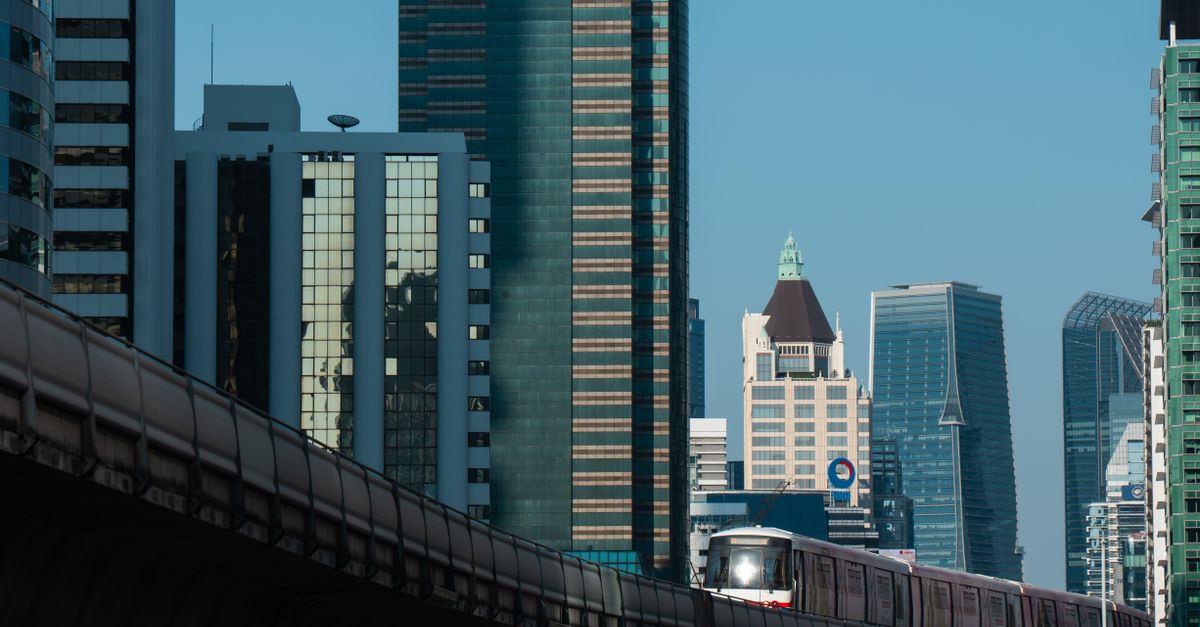
For tourists eager to explore Bangkok without getting stuck in the notorious traffic jams, the BTS Skytrain and MRT subway system are your best friends. The BTS runs elevated above the bustling streets of Sukhumvit and Silom, offering air-conditioned comfort and stunning views of the city's skyline, while the MRT dives underground to connect you seamlessly with major cultural hubs like Chatuchak Market and the historic Ratchathewi area. Both networks are modern, clean, and easy to navigate; simply purchase a single-journey token or rechargeable Rabbit Card at any station kiosk, where clear English signage and digital maps guide you effortlessly to your destination.
When planning your route, remember that the BTS and MRT intersect at key transfer points like Siam and Sala Daeng, allowing you to combine lines for maximum efficiency. While these systems cover most major shopping districts, temples, and nightlife spots, they do not reach every corner of the city, so it is wise to check your final stop before heading to the platform. By mastering these transit options, you can bypass the chaos of road traffic, save money on fares compared to taxis, and enjoy a smooth, stress-free journey through the heart of this vibrant metropolis.
 This photo was taken by Zaonar Saizainalin on Pexels.
Mastering the Art of the Tuk-Tuk Ride
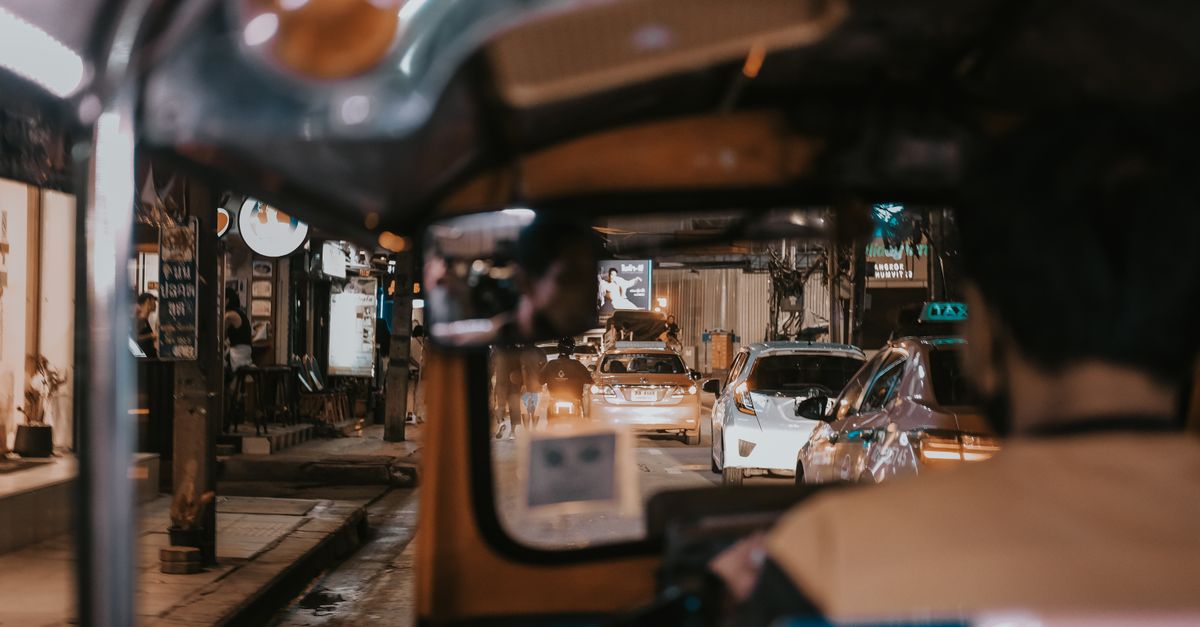
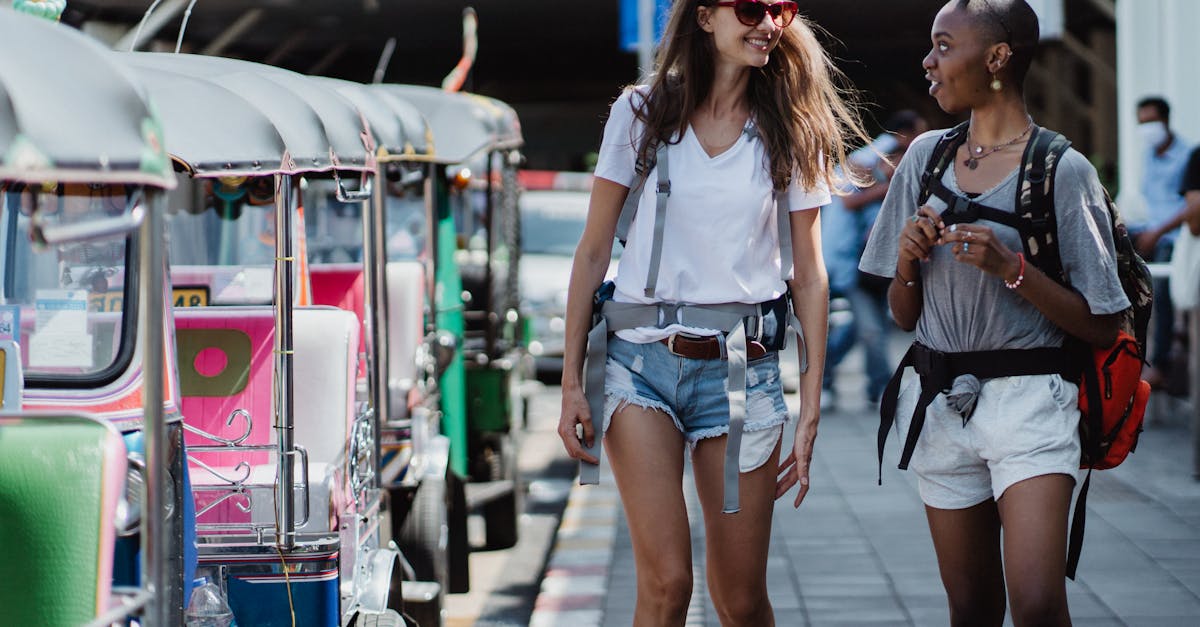
Hopping into a vibrant tuk-tuk is an essential rite of passage for any visitor to Bangkok, offering a thrilling, open-air journey through the city's bustling streets that no train or bus can replicate. However, mastering this ride begins with negotiation; unlike metered taxis, tuk-tuks operate on fixed prices set by agreement, so always establish your fare before the engine roars to life. To ensure a smooth experience, agree on the destination clearly, confirm whether the price covers all passengers, and be prepared to politely but firmly walk away if the driver refuses to budge from an unreasonable quote, as patience is your best currency in these negotiations.
Once you are settled in the backseat, remember to prioritize safety and comfort while embracing the unique chaos of Thai traffic. Secure your belongings tightly against the wind and hold onto the handrails, especially when weaving through narrow soi (alleys) where the vehicle may tilt sharply. For added protection against dust and exhaust fumes, consider wearing sunglasses and a light scarf, and keep your camera ready to capture the fleeting moments of street vendors and temple spires passing by at speed, turning a simple commute into a memorable adventure across the City of Angels.
 This photo was taken by Ketut Subiyanto on Pexels.
Smart Tips for Mixing Public Transit with Taxis
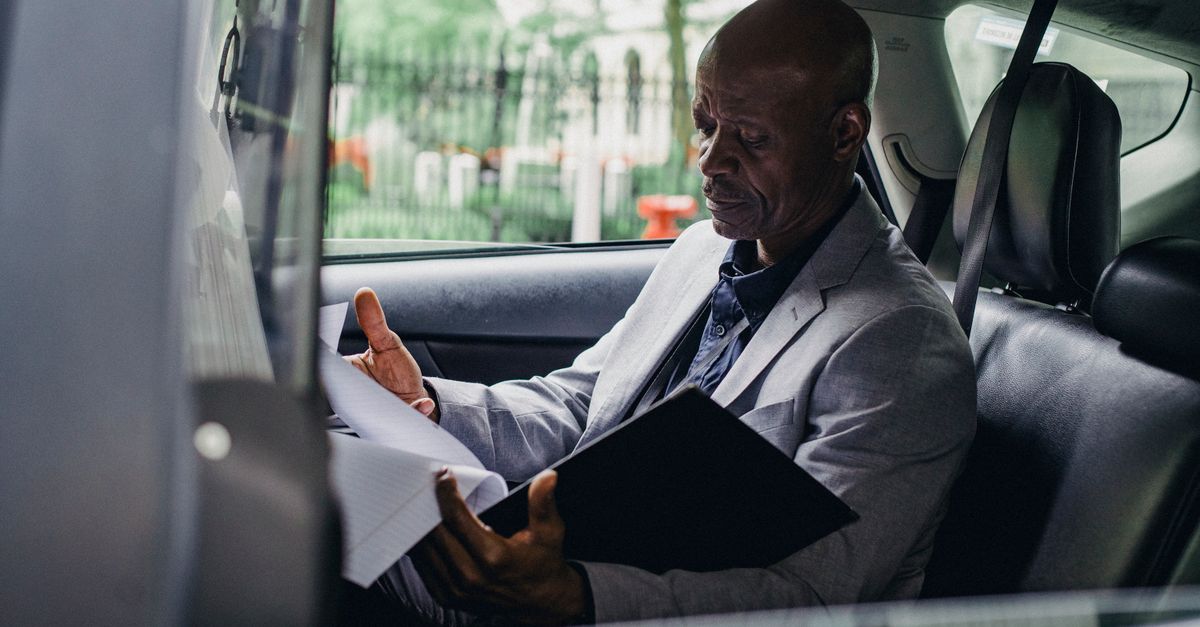
While the BTS Skytrain and MRT subway offer a fast escape from Bangkok's notorious traffic, they rarely take you directly to your final doorstep. To bridge this gap efficiently, plan your route so that public transit drops you at a station near your destination, then use a ride-hailing app like Grab or Bolt for the "last mile." This approach not only saves you from haggling with taxi drivers who might not know your specific hotel but also ensures a transparent fare before you even step into the vehicle. Many stations have designated pickup zones for taxis and motorbike taxis right outside, making the transition seamless and keeping you safe from street scams.
When combining these modes of transport, timing is everything; aim to finish your train journey just before rush hour peaks between 5:00 PM and 7:00 PM, as road congestion can turn a short taxi ride into an hour-long ordeal. If you must switch to a taxi during peak times, try to walk two or three blocks away from major intersections before hailing a cab, which often allows you to bypass the worst gridlock. Always keep small bills handy for the driver and confirm that the meter is running if you are using a traditional taxi stand, ensuring your smart mix of transit and road travel remains both budget-friendly and stress-free.
 This photo was taken by Ono Kosuki on Pexels.