Getting Around Bangkok: BTS, MRT, Tuk-Tuks, and Taxis Explained
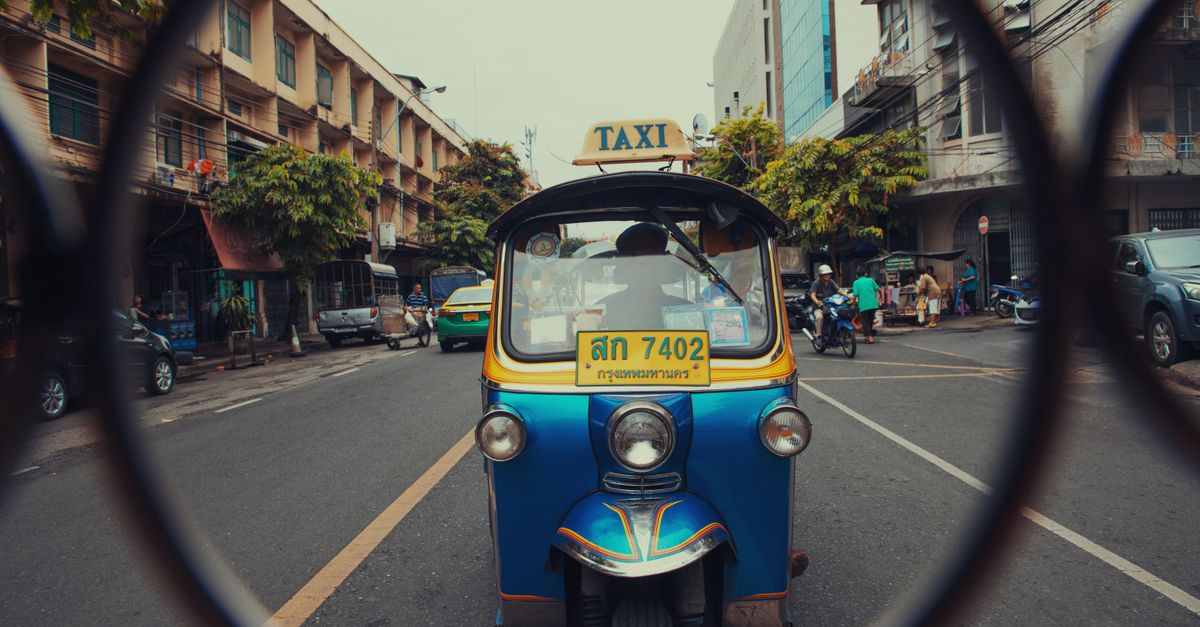 This photo was taken by Tony Wu on Pexels.
Welcome to the vibrant heart of Thailand, where the scent of street food mingles with the hum of a city that never sleeps. Bangkok is a labyrinth of ancient temples and futuristic skyscrapers, but navigating its bustling streets can feel like an adventure all on its own. Whether you are gliding above the chaos on the BTS Skytrain, diving underground through the MRT subway system, or embracing the iconic open-air experience of a tuk-tuk ride, understanding your transport options is key to unlocking the true magic of this metropolis. In this guide, we will break down everything you need to know about getting around efficiently, teach you how to haggle like a seasoned local to get the best rates, and reveal the secret hours to dodge the notorious traffic jams so you can spend more time exploring and less time stuck in gridlock.
Navigating the Skytrain and Subway System
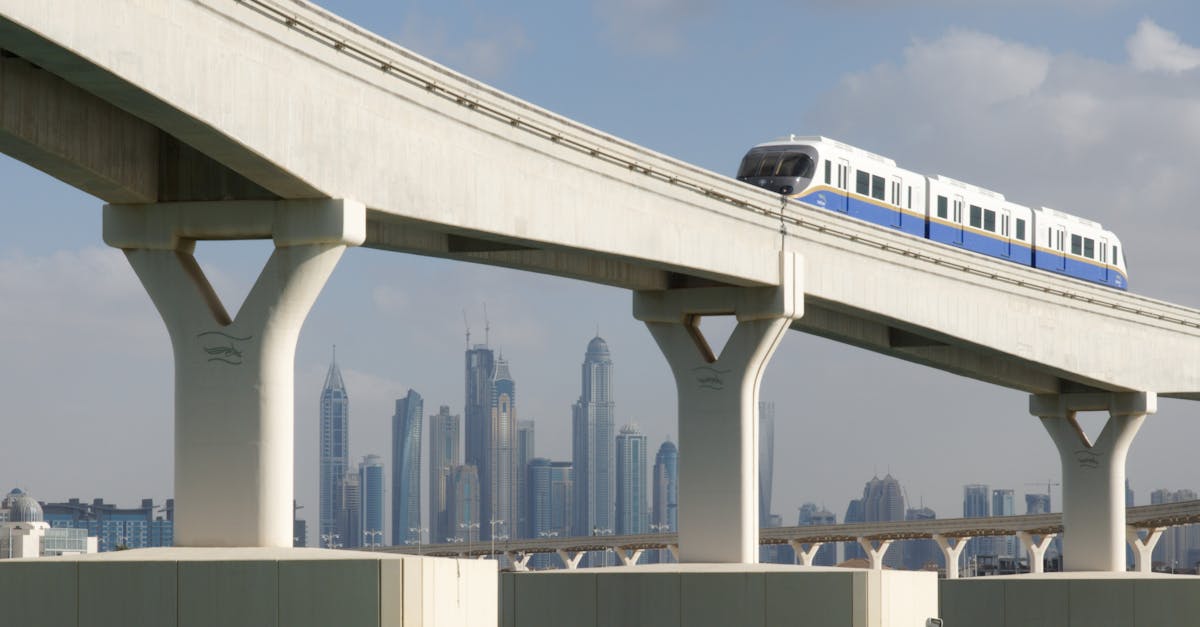
Navigating Bangkok's bustling streets is made infinitely easier by its modern rail network, the BTS Skytrain and MRT Subway. The BTS operates primarily above ground in the Sukhumvit and Silom corridors, offering a cool, air-conditioned escape from the city's notorious heat while providing panoramic views of iconic landmarks like the Grand Palace and vibrant shopping districts such as Siam and Asok. Complementing this is the MRT, which runs mostly underground and connects key areas including the historic old town at Hua Lamphong and the northern suburbs, effectively bridging gaps that buses cannot reach. Both systems are integrated with a unified Rabbit Card or contactless payment options, allowing for seamless transfers between lines and saving tourists hours of time stuck in gridlock traffic.
While these rail systems are the most efficient way to traverse the city, it is essential to plan your journey carefully as stations can be quite a walk from some final destinations, especially during the rainy season when sudden downpours turn sidewalks into rivers. For short hops where the train isn't an option, tuk-tuks offer a quintessential Thai experience but require negotiation on fares beforehand, whereas taxis provide a comfortable alternative if you insist on using the meter; however, always be wary of drivers claiming their meters are broken. By mastering the BTS and MRT schedules and knowing when to switch to road-based transport, visitors can confidently explore every corner of Bangkok without the stress of navigating chaotic traffic jams.
 This photo was taken by Gu Bra on Pexels.
Haggling with Tuk-Tuks and Taxis Like a Local
Navigating Bangkok's chaotic streets in a tuk-tuk or taxi offers an authentic adventure, but mastering the art of haggling is essential to avoid tourist traps. For tuk-tuks, which are not metered by law, always agree on a firm price before you climb aboard; start your negotiation at about half the quoted fare and meet somewhere in the middle, keeping a friendly smile as you barter. When it comes to taxis, insist that the driver uses the meter immediately upon entry, as this is the legal requirement for most licensed cabs. If a driver refuses the meter and demands a flat rate, politely decline and walk away to find another cab, as using the meter will almost always save you money and ensure a fair journey.
To truly blend in like a local, carry small denominations of Thai Baht to pay exact change, which prevents drivers from claiming they cannot break larger bills. While bargaining can be fun, remember that prices should remain reasonable based on distance and traffic conditions, and never feel pressured into paying more just to get a ride quickly. For longer trips or late-night travel, consider using ride-hailing apps like Grab or Bolt, which offer transparent pricing and eliminate the need for negotiation entirely, allowing you to enjoy the city's vibrant atmosphere without the stress of calculating fares or worrying about being overcharged.
 This photo was taken by Ketut Subiyanto on Pexels.
Avoiding Traffic: The Best Time to Travel
Avoiding Traffic: The Best Time to Travel
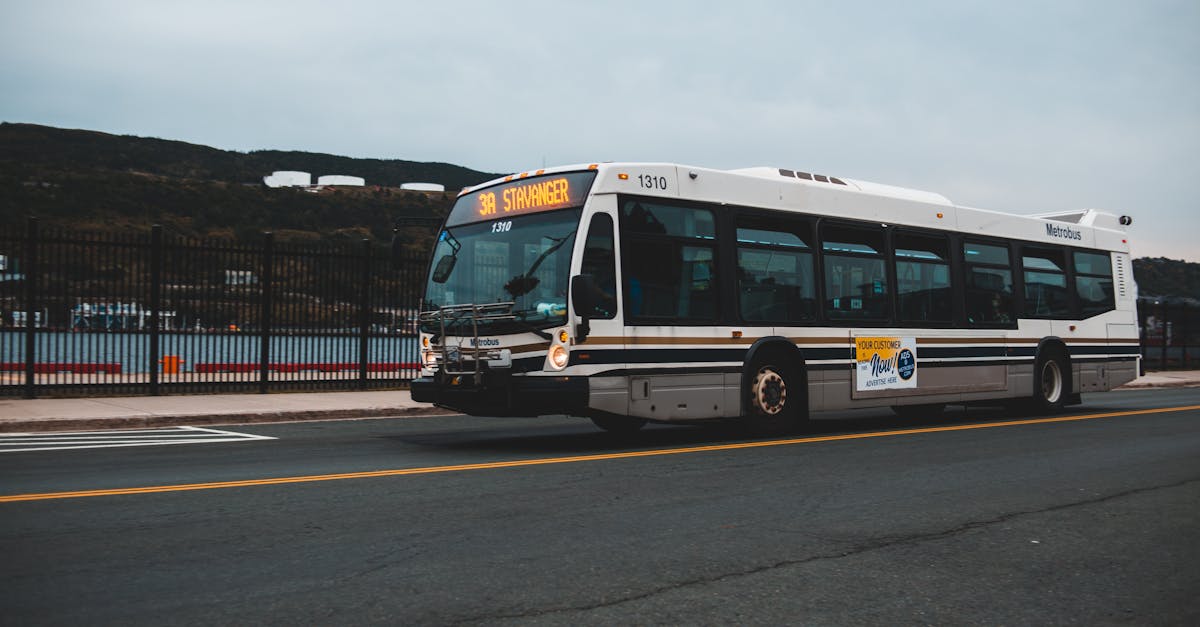
Navigating Bangkok's notorious gridlock requires strategic timing, as rush hours from 7:00 AM to 9:30 AM and again between 5:00 PM and 8:00 PM can turn a short distance into a grueling ordeal. During these peak windows, surface-level transport like taxis and tuk-tuks often crawl at walking speeds on major arteries such as Sukhumvit Road or Silom Road, making them an unreliable choice for time-sensitive itineraries. To truly experience the city's efficiency, aim to travel outside these windows; mid-morning (10:00 AM to 11:30 AM) and early afternoon (2:00 PM to 4:30 PM) offer significantly smoother flows, allowing your driver to zip through streets while you enjoy the vibrant street life without the frustration of idling in endless queues.
Even with perfect timing, the smartest way to bypass Bangkok's congestion is by leveraging the city's elevated rail networks, the BTS Skytrain and MRT Subway, which operate independently of road traffic entirely. These systems are not only the fastest mode of transit but also provide a cool, air-conditioned respite from the tropical heat and humidity that characterizes the city. For tourists planning day trips across different districts, scheduling your movements to coincide with off-peak train times ensures you avoid both the physical exhaustion of sitting in traffic and the unpredictability of fluctuating taxi fares during jammed conditions, guaranteeing a more relaxed and enjoyable exploration of Thailand's capital.
 This photo was taken by Erik Mclean on Pexels.