Getting Around Bangkok: BTS, MRT, Tuk-Tuks, and Longtail Boats Explained
 This photo was taken by Ketut Subiyanto on Pexels.
Navigating the Skyways: A Guide to BTS and MRT
For the modern traveler, mastering Bangkok's elevated and underground rail networks is the ultimate key to unlocking the city's vibrant pulse without getting stuck in its notorious traffic. The BTS Skytrain offers a breezy, air-conditioned journey above the chaotic streets, connecting major shopping districts like Siam and Sukhumvit with iconic landmarks such as the Grand Palace via nearby transfers. Meanwhile, the MRT subway system dives beneath the surface to serve areas the Skytrain misses, including the bustling Chinatown and the historic Rattanakosin area. Together, these two systems form a seamless grid that allows you to zip across the metropolis in minutes, offering a cool respite from the tropical heat while providing clear English signage and affordable fares that make them accessible to everyone.
To get the most out of your rail adventures, consider purchasing a Rabbit Card for the BTS or an Easy Trip card for the MRT, which streamlines entry by simply tapping at the gates rather than buying individual tickets for every trip. These cards are reloadable at convenience stores and station kiosks, ensuring you never miss a beat when rushing between meetings or exploring hidden gems. While the trains cover the main arteries of the city, remember that they work best in tandem with other modes of transport; once you step off at your destination, you might find yourself just a short walk away from a traditional tuk-tuk ride or a scenic longtail boat cruise along the Chao Phraya River, completing the perfect multimodal experience of Bangkok travel.
 This photo was taken by Thirdman on Pexels.
Honing in on the Streets: Tuk-Tuks, Taxis, and Traffic
Honing in on the Streets: Tuk-Tuks, Taxis, and Traffic
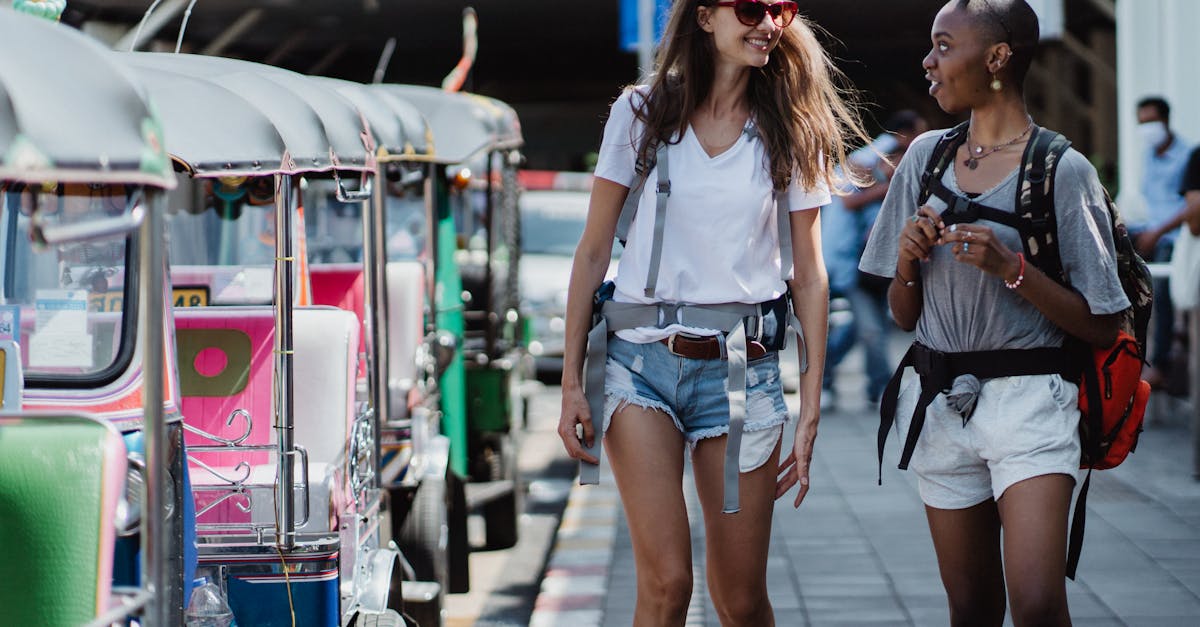
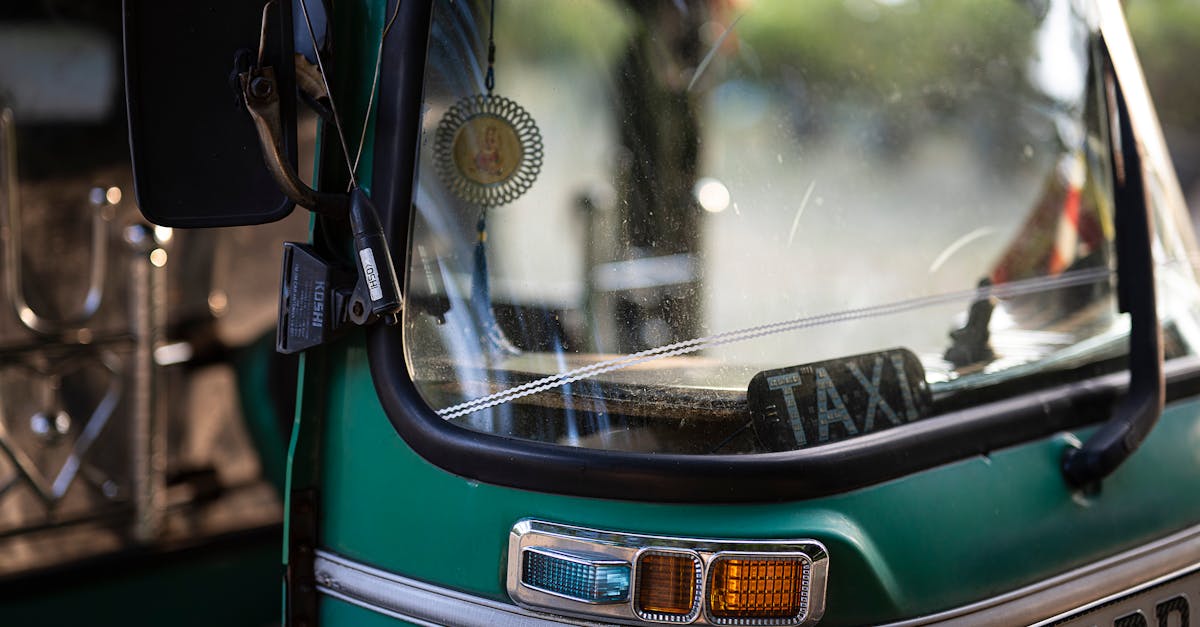
Navigating Bangkok's chaotic streets requires a mix of adventure and strategy, where the iconic three-wheeled tuk-tuk offers an unforgettable open-air experience through the city's narrow alleyways. While these colorful vehicles are a photographer's dream, always agree on a fare before hopping in or insist on using the meter to avoid tourist traps, as they can be surprisingly expensive for short distances. For longer trips across town, yellow-metered taxis provide a more comfortable and regulated option, though you must be prepared to encounter legendary traffic jams that can turn a twenty-minute journey into an hour-long ordeal, especially during rush hours when the city comes to a standstill.
To truly survive the gridlock, it is wise to observe local driving etiquette; horns are frequently used as a friendly greeting rather than just a warning, and lane discipline often takes a backseat to fluid movement. If you find yourself stuck in a taxi or tuk-tuk, use this time to soak in the vibrant street life, from floating food vendors selling pad thai to the rhythmic honking that serves as the city's unique soundtrack. Remember that patience is your greatest asset here, and while the roads may feel overwhelming, embracing the hustle allows you to witness the raw energy that defines Bangkok's transportation culture.
 This photo was taken by Miguel Cuenca on Pexels.
Chasing the Chao Phraya: Longtail Boat Routes and Tips
While the BTS Skytrain and MRT subway offer speed through the city's concrete jungle, nothing captures the soul of Bangkok quite like gliding along the Chao Phraya River on a traditional longtail boat. These colorful vessels, powered by their distinctive outboard motors that create a rhythmic humming sound, serve as both efficient transport and an immersive cultural experience, weaving through the bustling waterways to connect historic temples like Wat Arun with modern skyscrapers. Whether you are heading to the floating markets of Thonburi or simply enjoying a sunset cruise past the Grand Palace, these boats provide a unique vantage point that reveals the city's vibrant life from the water, where locals commute and tourists alike can feel the gentle breeze while dodging the occasional cargo barge.
To make the most of your river journey, it is essential to know that there are two main types of services: the public orange-flagged ferries, which are incredibly affordable and follow fixed stops, and the private red-flagged longtails that operate on demand for a higher fare negotiated before boarding. Always agree on a price clearly in Thai Baht before the engine starts, as meters are rarely used on private charters, and be prepared for a slightly bumpy ride as the boat cuts through the waves. For the best experience, visit during the late afternoon when the golden light reflects off the river, but avoid peak rush hours if possible, as the traffic on the water can become congested near major piers, turning a scenic trip into a slow-moving crawl.
 This photo was taken by Miguel González on Pexels.