Getting Around Bangkok: BTS, MRT, Taxis, and Tuk-Tuks Explained
 This photo was taken by Faheem Ahamad on Pexels.
Navigating the Sky: A Guide to the BTS and MRT
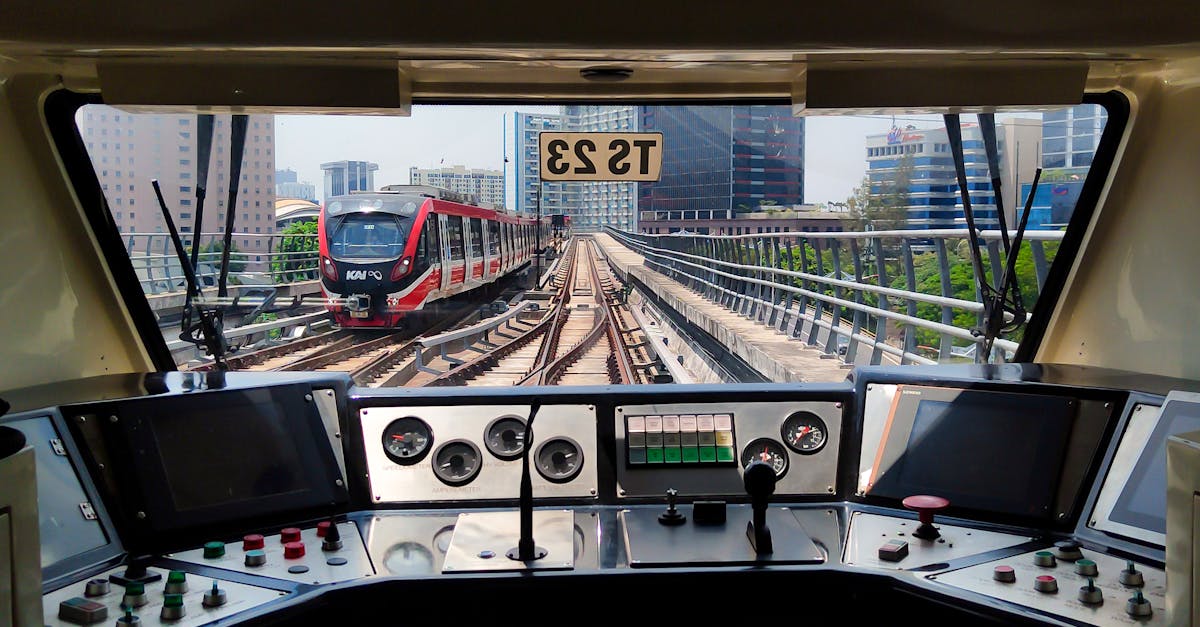
For visitors seeking to bypass Bangkok's notorious traffic jams, the BTS Skytrain and MRT subway system offer a rapid, air-conditioned escape from the heat and congestion. The BTS, with its sleek trains gliding above the bustling streets of Sukhumvit and Silom, provides easy access to major shopping malls, dining hubs, and vibrant nightlife districts, while the MRT complements this network by connecting key areas like Chatuchak Market, Chinatown, and the historic Grand Palace via its underground lines. Both systems feature clear English signage, affordable fares, and contactless payment options, making them an intuitive choice for tourists; simply purchase a stored-value card at any station kiosk or use your credit card directly at the gates to enjoy seamless travel across the city.
Navigating these rail networks is straightforward once you understand the color-coded lines and interchange stations, such as Siam or Sam Yan, where you can switch between different routes without exiting the paid area. While taxis and tuk-tuks remain iconic symbols of Bangkok, they are often subject to unpredictable delays during rush hour and require careful negotiation regarding fares, whereas the BTS and MRT run on precise schedules that allow you to plan your day with confidence. By prioritizing these elevated and subterranean transit options, travelers not only save time but also experience the city from unique vantage points, whether soaring above the glittering skyline on the BTS or diving into the urban pulse beneath the ground on the MRT.
 This photo was taken by Noel Snpr on Pexels.
Hailing a Ride: Taxis, Grab, and Navigating Traffic
Hailing a Ride: Taxis, Grab, and Navigating Traffic
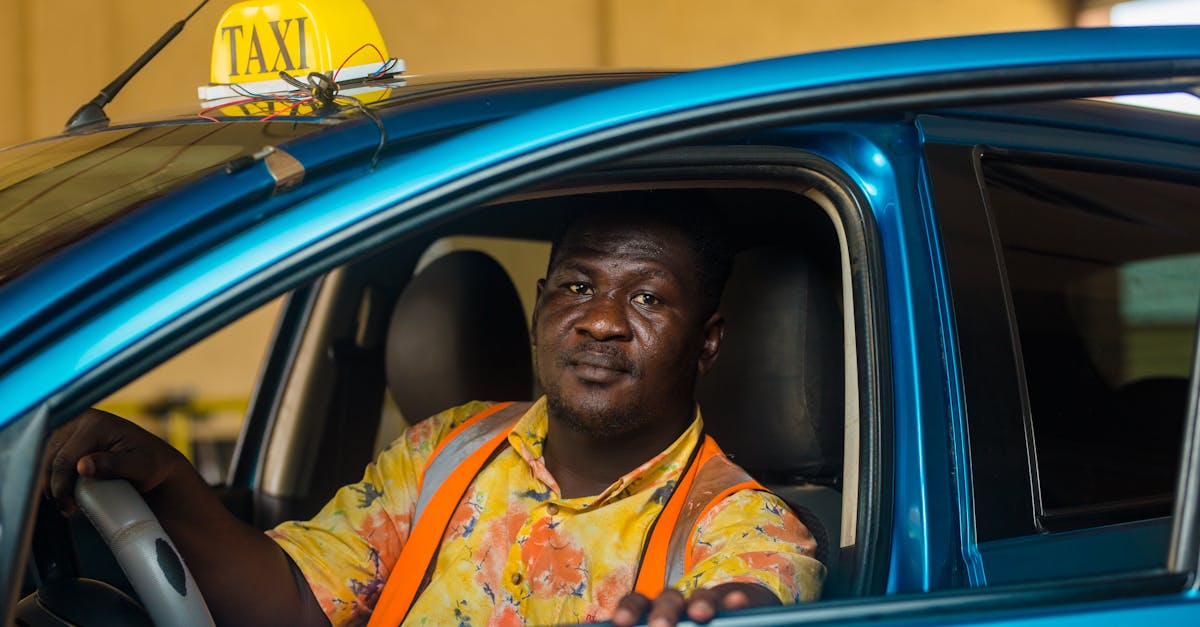
While the skytrain and subway are often the fastest ways to dodge Bangkok's notorious gridlock, sometimes you need a door-to-door solution. For taxis, always ensure the driver uses the meter; if they refuse or claim it is broken, politely decline and try another car, as haggling for fixed prices will almost always result in an overcharge. Alternatively, the Grab app has become the gold standard for tourists, offering transparent pricing, English-language support, and the option to book cars, motorbikes, or even food delivery. The app connects you directly with licensed drivers, eliminating the language barrier and ensuring you know exactly how much your fare will be before you even start your journey.
Navigating traffic requires patience and strategic timing, as rush hour from 7:00 AM to 9:00 PM can bring major arteries like Sukhumvit Road or Silom to a standstill. If you must travel by road during peak hours, consider booking a ride-share early in the morning or late at night when the streets are more fluid. Always have a backup plan involving the BTS or MRT stations near your destination, as combining public transit with a short taxi ride for the "last mile" is often the most efficient way to reach your final destination without spending hours stuck in congestion. Remember that traffic jams are part of the city's rhythm, so keeping a cool head and planning extra travel time is essential for a stress-free experience.
 This photo was taken by Zeal Creative Studios on Pexels.
The Iconic Experience: Riding a Tuk-Tuk Safely
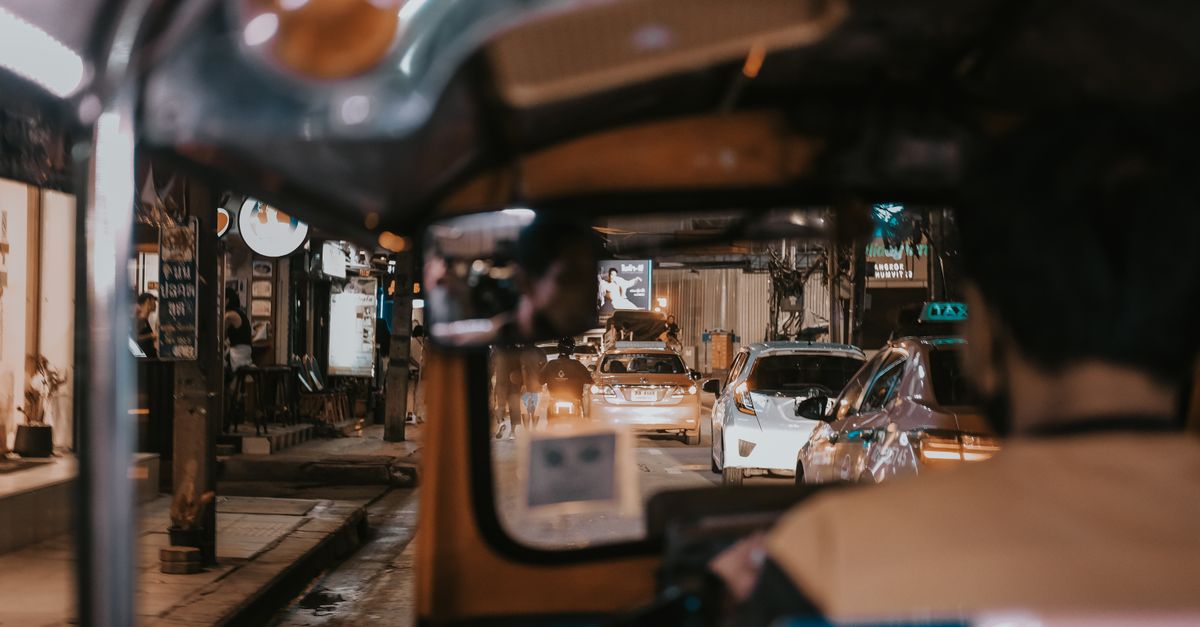
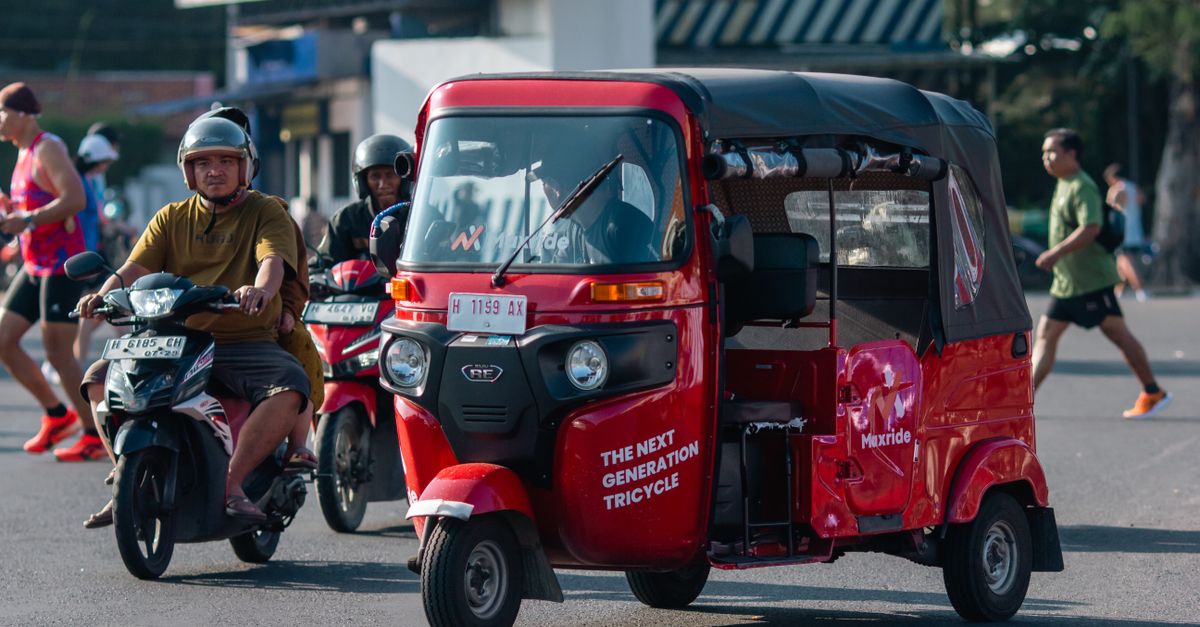
Nothing captures the vibrant, chaotic spirit of Bangkok quite like zipping through its narrow soi alleys in a colorful tuk-tuk, offering an open-air adventure that modern transit simply cannot replicate. As you climb aboard this iconic three-wheeled vehicle, you are immediately immersed in the city's sensory overload—the roar of engines, the scent of street food, and the endless stream of motorbikes weaving around you. To ensure a safe and enjoyable ride, always negotiate the fare before you depart, as meters are rarely used by tuk-tuk drivers, and be sure to hold on tight while keeping your limbs well inside the cabin to avoid any scrapes against passing traffic or low-hanging branches.
Safety while riding a tuk-tuk also requires being mindful of your surroundings and dressing appropriately for the exposure; wearing sunglasses can protect your eyes from dust and glare, while securing loose items prevents them from flying away at speed. Although these vehicles offer a thrilling glimpse into local life, they lack the structural protection of enclosed cars, so it is wise to avoid riding during heavy rainstorms or late at night when visibility drops. By approaching the experience with a sense of fun but practical caution, you transform a simple commute into a memorable story of Bangkok, perfectly complementing your travels on the sleek BTS Skytrain or the efficient MRT subway system.
 This photo was taken by indra projects on Pexels.