From Skyscrapers to Slums: Understanding the Contrasts of Bangkok
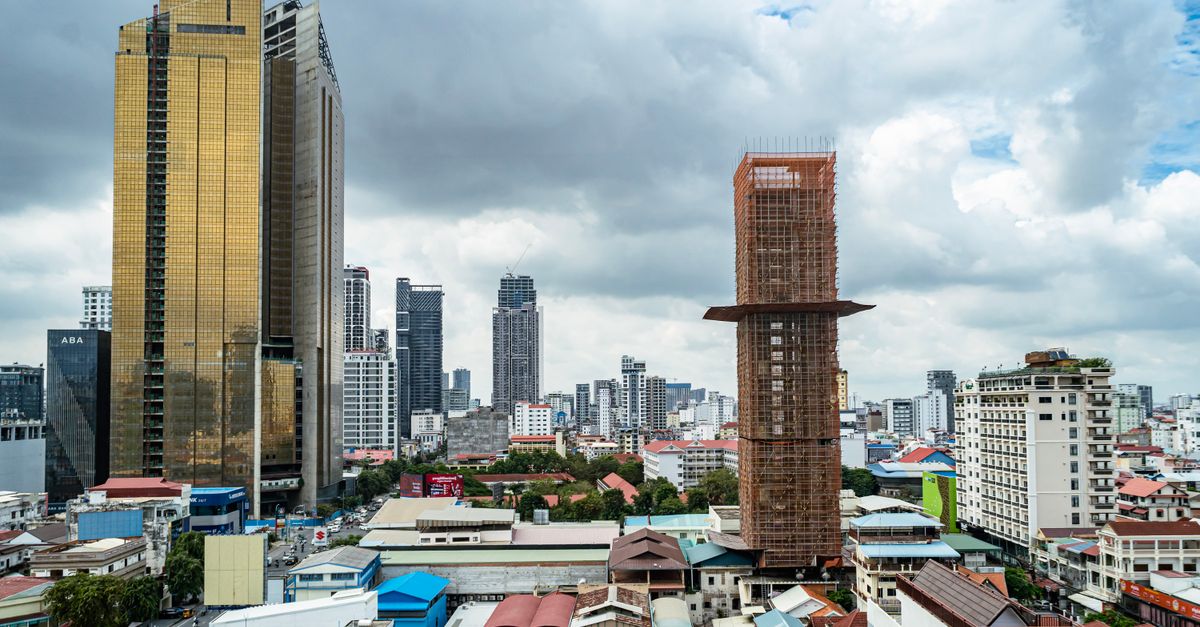 This photo was taken by Nara Tsitra on Pexels.
The Gilded Skyline: Icons of Modern Bangkok
As the sun begins to dip below the horizon, Bangkok transforms into a dazzling canvas of light and steel, where the city's modern ambition pierces the tropical clouds. The skyline is dominated by architectural marvels like the King Power Mahanakhon, with its distinctive pixelated facade that seems to dance in the twilight, and the towering One Bangkok development, which promises to redefine the financial district for decades to come. These gleaming structures are not merely symbols of economic power but represent a city that has rapidly evolved from a modest trading post into a global metropolis, offering visitors breathtaking rooftop bars and observation decks that provide unparalleled views of the Chao Phraya River winding through this concrete jungle.
Yet, even as these gilded icons rise toward the heavens, they cast long shadows over the intricate tapestry of daily life that continues to unfold at street level. This vertical contrast creates a unique visual narrative where ultra-modern glass towers stand in immediate proximity to traditional wooden shophouses and bustling alleyways, reminding travelers that Bangkok is a city of profound duality. While the upper floors host international business elites and luxury hotels, the streets below remain vibrant with the rhythm of tuk-tuks, street food vendors, and local communities, ensuring that the soul of the old city survives beneath the shadow of its new giants.
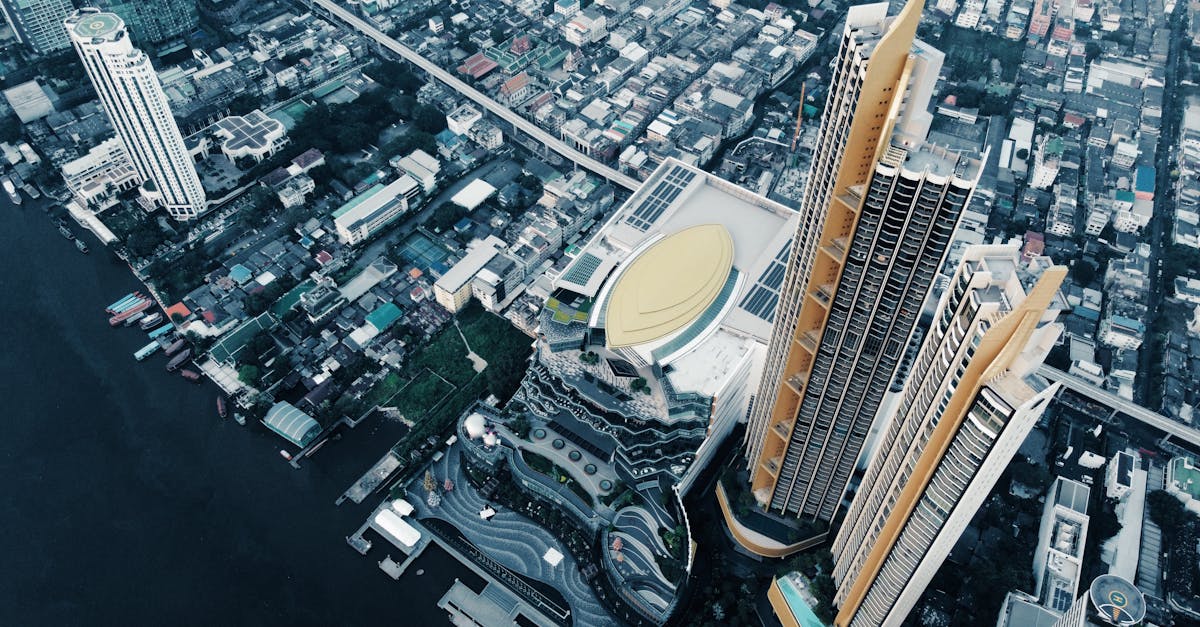 This photo was taken by Nokwheet Photography on Pexels.
The Labyrinthine Alleys: Life in the Khlongs and Communities
While the gleaming glass towers of Sukhumvit and Silom dominate the skyline, a parallel world unfolds beneath their shadows in the city's intricate network of khlongs, or canals. These waterways once served as Bangkok's primary arteries for transport and trade, weaving through dense communities where life moves at a rhythm dictated by the tides rather than traffic lights. Here, wooden stilt houses perch precariously over murky waters, connected by narrow footbridges that invite visitors to step away from the honking tuk-tuks and into a quieter, more intimate existence. The air is thick with the scent of lemongrass cooking over charcoal fires and the gentle lapping of water against weathered pilings, offering a stark yet harmonious contrast to the concrete jungle just blocks away.
Navigating these labyrinthine alleys reveals a resilient social fabric where neighbors share resources and stories across canal banks, fostering a profound sense of community often lost in modern urban development. From morning markets where fresh fish are traded directly from boats to evening gatherings under flickering lanterns, the residents of these floating villages maintain traditions that have survived decades of rapid urbanization. Though many areas face challenges related to infrastructure and rising flood levels, the enduring spirit of these communities offers tourists an authentic glimpse into the soul of old Siam, proving that even amidst relentless skyscraper construction, the heart of Bangkok still beats strongly within its watery veins.
 This photo was taken by Erik Mclean on Pexels.
Where Old Meets New: The Seamless Blend of Contrasts
Bangkok is a city where the future and the past exist in a constant, vibrant dialogue, creating an urban landscape unlike any other on Earth. Just steps away from the gleaming glass facades of the Sukhumvit skyline, you can find centuries-old wooden shophouses lining narrow canals, their peeling paint telling stories of generations past. This seamless blend is not merely a visual juxtaposition but a lived reality; modern coffee shops often occupy spaces that were once traditional tea stalls, while ancient temples stand as serene sanctuaries amidst the roar of expressways and the hum of electric tuk-tuks. The rhythm of the city pulses with this duality, where the sleek efficiency of a new skyscraper mirrors the timeless spiritual devotion found in its historic shrines.
Navigating these contrasts offers tourists a unique perspective on Thai resilience and adaptability, revealing how tradition evolves without erasing its roots. In areas like Rattanakosin, the grandeur of royal palaces coexists with bustling street markets selling everything from silk sarongs to smartphone accessories, illustrating how commerce and culture intertwine. Even the city's infamous traffic jams become part of the charm when viewed through this lens, as luxury sedans share the road with motorbikes weaving between them, all moving toward a shared destiny in a metropolis that refuses to choose between progress and heritage. To truly understand Bangkok, one must embrace this chaotic harmony, where the old does not merely survive alongside the new, but thrives because of it.
 This photo was taken by Ann H on Pexels.