Floating Markets of Bangkok: A Morning Adventure Guide
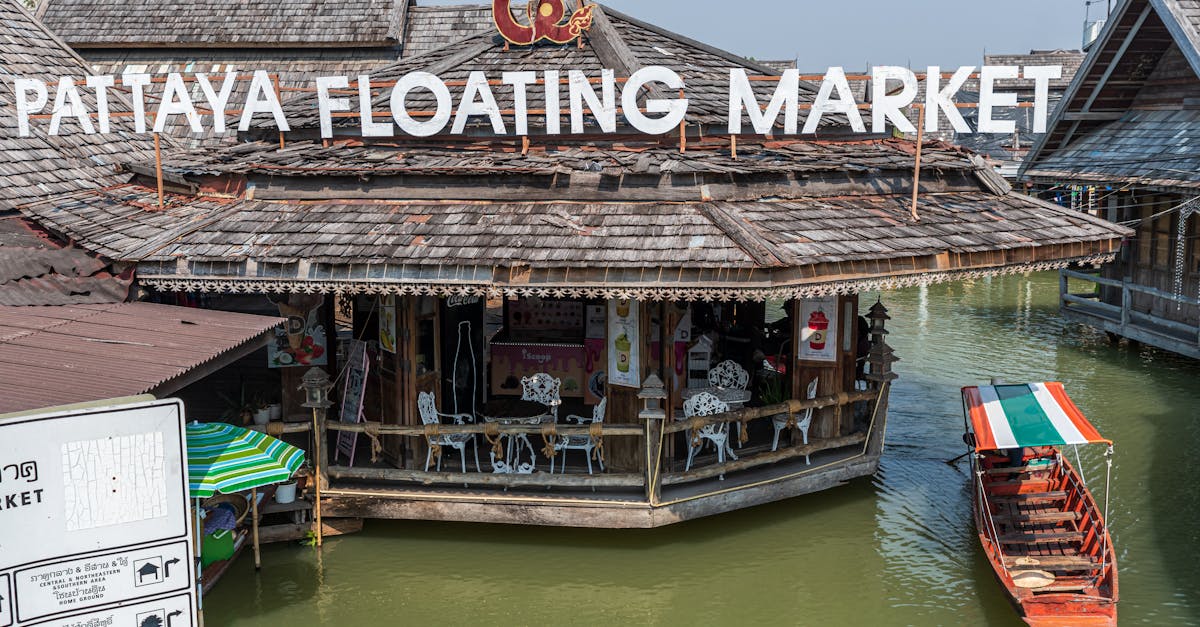 This photo was taken by Kirandeep Singh Walia on Pexels.
Welcome to the vibrant heart of Bangkok, where the city's pulse beats strongest along its ancient network of canals. There is a unique magic in waking up before dawn to explore the legendary floating markets, where the hustle of modern life gives way to the gentle rhythm of wooden boats gliding through emerald waters. Whether you are seeking the historic charm of traditional commerce or the authentic local atmosphere, these aquatic bazaars offer an unforgettable glimpse into Thailand's rich heritage. In this guide, we will help you navigate your morning adventure by comparing the iconic Damnoen Saduak with the more laid-back Amphawa, savoring the delicious street foods served directly from vendor boats, and sharing essential tips on how to capture stunning photographs while respecting local customs. Get ready to embark on a watery journey that promises flavors, sights, and memories that will linger long after you leave the riverbanks.
Choosing Your Perfect Market: Damnoen Saduak vs. Amphawa
If your schedule is tight and you crave the iconic image of long-tail boats laden with colorful fruits against a backdrop of ancient canals, Damnoen Saduak is the choice for you. Located about an hour west of Bangkok, this market has become a global symbol of Thai floating culture, offering a vibrant, albeit often crowded, spectacle that feels like stepping into a postcard. While it may feel slightly more commercialized due to its proximity to major tour groups, the energy here is electric, and the variety of local snacks and souvenirs from vendors paddling right up to your boat provides an unforgettable, albeit busy, morning adventure.
For travelers seeking a more authentic and serene experience that captures the daily rhythm of local life rather than just tourist entertainment, Amphawa is the superior option. Situated further down the river in Samut Songkhram, this market comes alive as the sun sets but offers a quieter, community-focused atmosphere where you can mingle with locals buying fresh seafood and traditional desserts. Unlike the packed channels of Damnoen Saduak, Amphawa's waterways are less congested, allowing for a peaceful boat ride where you can truly savor the aroma of charcoal-grilled prawns and the gentle sounds of nature, making it perfect for those who wish to connect deeply with the region's heritage.
 This photo was taken by Sam Lion on Pexels.
A Culinary Journey: Must-Try Street Foods from the Boats
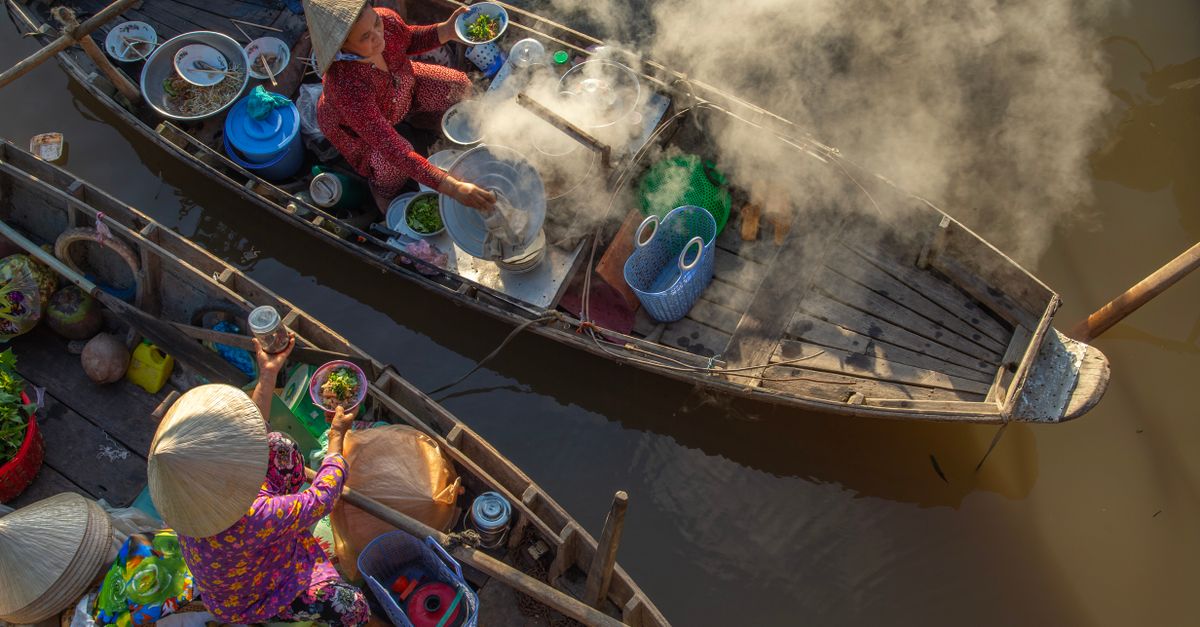
Immerse yourself in the vibrant aroma of lemongrass and chili as you navigate the winding canals, where the true heart of Bangkok's culinary scene beats from wooden boats laden with colorful treasures. This is not merely a meal; it is an interactive experience where vendors paddle up to your longtail boat, offering steaming bowls of Kuay Teow Nam Khing (boat noodles) rich with deep, savory broth and tender beef, or fresh, sweet Mangosteen ice cream that melts instantly on your tongue. As the sun rises over the water, the air fills with the sizzle of Pad Thai being tossed in a wok right on the deck, creating a symphony of flavors that has captivated locals and travelers alike for generations.
While the iconic Damnoen Saduak offers the classic postcard view, exploring lesser-known markets like Khlong Lat Mayom reveals even more authentic street food gems hidden beneath the shade of ancient banyan trees. Here, you can savor the delicate crunch of Khanom Krok (coconut rice pancakes) cooked in individual cast-iron molds, or indulge in grilled seafood skewers brushed with a spicy-sweet glaze that perfectly balances the humidity of the morning air. Each bite tells a story of Thai heritage, inviting you to slow down and appreciate the artistry of a cuisine that thrives on the dynamic rhythm of the floating market life.
 This photo was taken by Tuấn Nguyễn Văn on Pexels.
Navigating the Canals: Tips for Photography and Etiquette
As you glide through the intricate waterways of Bangkok's floating markets, capturing the perfect shot requires a blend of patience and quick reflexes. The early morning light offers the most flattering illumination for photographing vendors balancing their colorful wares on long-tail boats, but be mindful that sudden movements or loud camera shutters can startle the horses pulling traditional barges or disrupt the delicate balance of the skiffs. To get those iconic images without blurring the scene, try using a fast shutter speed to freeze the action of tossing fruits or pouring tea, and consider using a polarizing filter to cut through the morning mist and enhance the vibrant hues of the tropical flowers and silk fabrics.
Beyond photography, respecting local etiquette is paramount to maintaining the harmony of these historic water communities. Always keep your voice low and avoid pointing fingers directly at people while taking pictures; instead, ask for permission before snapping close-ups of vendors, as many appreciate the gesture and may even pose with a warm smile. When boarding a boat, wait for the guide to assist you and ensure you do not lean too far over the sides, which could destabilize the vessel or splash fellow passengers. Remember that these canals are not just tourist attractions but active thoroughfares where locals commute and trade daily, so treating them with reverence ensures a memorable and respectful experience for everyone involved.
 This photo was taken by Tony Peck on Pexels.