Fashion Forward: Where to Buy Authentic Thai Silk and Souvenirs
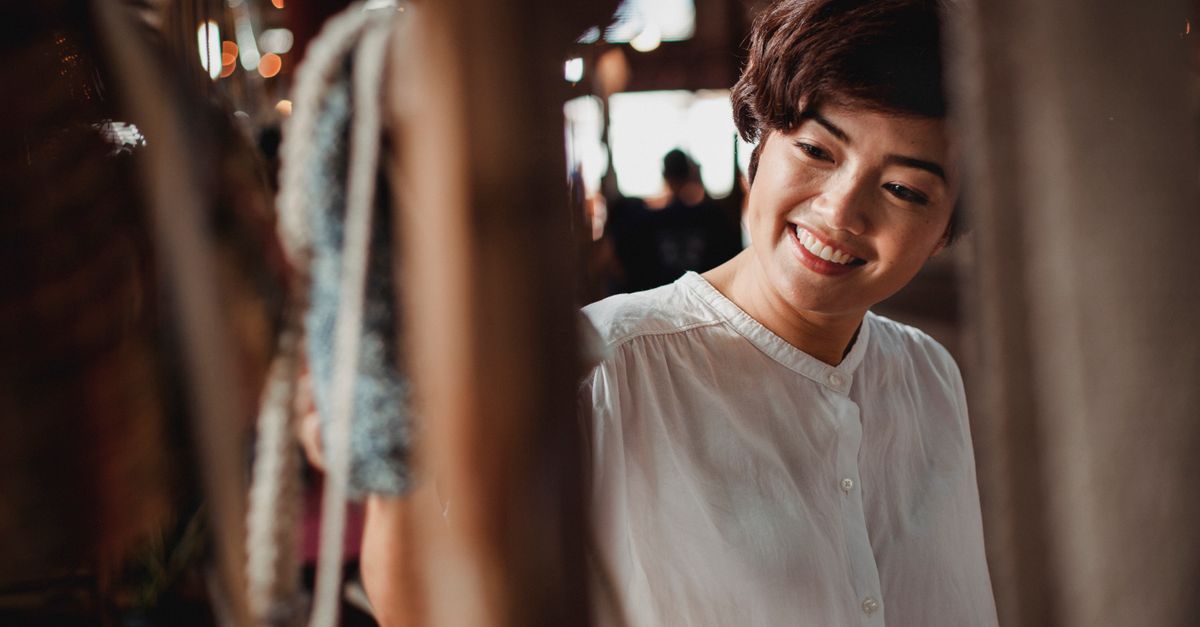
 This photo was taken by Erik Mclean on Pexels.
Welcome to the vibrant heart of Thailand, where every thread tells a story and every market stall holds a treasure waiting to be discovered. As your local guide in Bangkok, I am thrilled to introduce you to "Fashion Forward," a journey designed to help you navigate the city's most exciting shopping scene with confidence and style. From the shimmering elegance of hand-woven textiles rooted in centuries of royal tradition to the bustling energy of street markets filled with unique crafts, this post will be your essential companion. We will delve deep into the history of authentic Thai silk, explore the best neighborhoods for finding genuine souvenirs, and equip you with the expert knowledge needed to spot real craftsmanship amidst imitations. Get ready to pack your bags with high-quality treasures that truly capture the soul of Bangkok.
Discovering the Royal Heritage of Authentic Thai Silk
Immerse yourself in the vibrant legacy of Thai silk, a fabric that has graced the courts of Bangkok's kings and queens for centuries, transforming simple threads into symbols of national pride. When you step into authentic workshops or specialized boutiques in areas like Chatuchak Market or the Jim Thompson House, you are not merely purchasing a garment; you are holding a piece of living history where traditional hand-weaving techniques have been perfected over generations. The intricate patterns, often inspired by nature, mythology, and royal motifs, tell stories unique to each region, offering tourists a tangible connection to the Kingdom's sophisticated artistic heritage while providing an opportunity to support local artisans who keep these ancient crafts alive.
Beyond its aesthetic beauty, authentic Thai silk represents a commitment to quality and ethical craftsmanship that distinguishes it from mass-produced imitations found elsewhere. By choosing genuine pieces directly from trusted sources, you ensure that your souvenir contributes to the livelihoods of skilled weavers who dedicate their lives to maintaining the delicate balance between tradition and innovation. Whether you select a flowing scarf, a tailored suit, or a decorative pillowcase, carrying this luxurious textile home allows you to wear a slice of Bangkok's royal elegance, making every visit to Thailand a memorable journey through its rich cultural tapestry.
 This photo was taken by Sam Lion on Pexels.
Navigating Bangkok's Best Markets for Genuine Souvenirs
To truly capture the essence of Bangkok, one must venture beyond the tourist traps and explore the city's vibrant market districts where authentic Thai silk and handcrafted souvenirs are still made with traditional techniques. The Chatuchak Weekend Market is an unmissable labyrinth for fashion enthusiasts, offering countless stalls dedicated to high-quality silk scarves, blouses, and dresses woven by local artisans who have perfected their craft over generations. For a more intimate experience, seek out the smaller boutiques in the Thong Lo or Ari neighborhoods, where you can directly converse with designers about the intricate patterns and natural dyes used in their creations, ensuring that every piece you purchase tells a genuine story of Thai heritage rather than mass-produced generic goods.
Navigating these markets requires a keen eye and a willingness to engage in the friendly bargaining culture that defines Thai commerce, but the rewards are well worth the effort. While major hubs like Chinatown (Yaowarat) offer spectacular gold jewelry and antique treasures, don't overlook the specialized silk cooperatives located just outside the main tourist zones, such as those near the Queen Sirikit National Convention Center, which guarantee fair prices and ethical sourcing. By taking your time to inspect the texture of the fabric and asking vendors about the origin of their materials, you ensure that your souvenirs are not only stylish additions to your wardrobe but also meaningful contributions to preserving Thailand's rich cultural legacy.
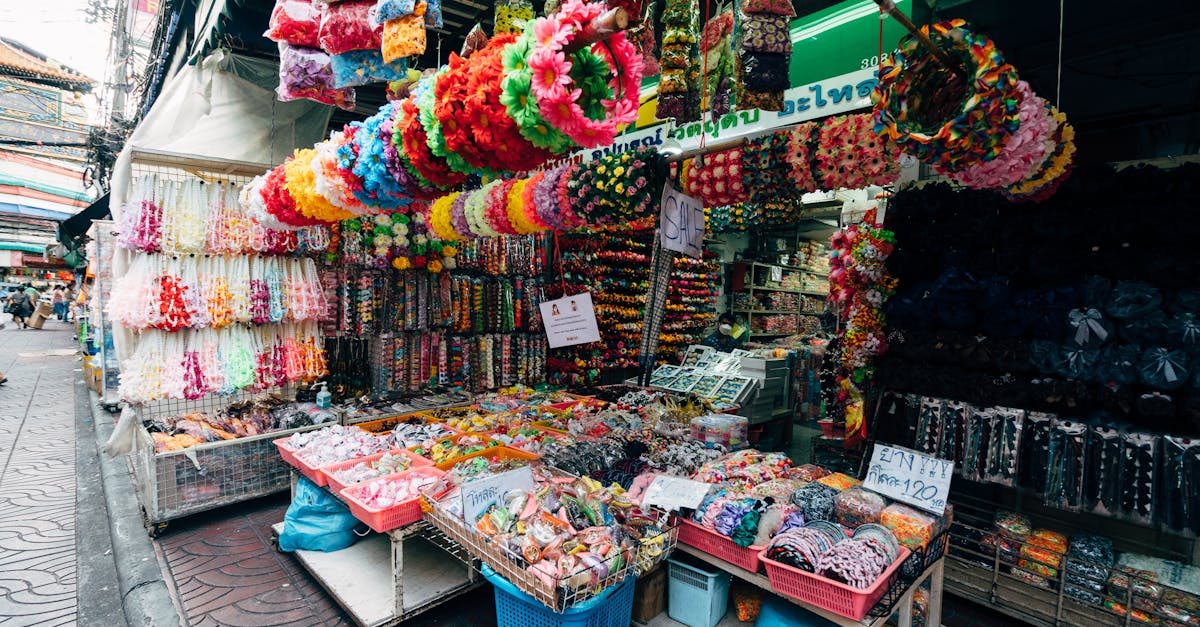 This photo was taken by Markus Winkler on Pexels.
Avoiding Counterfeits: A Guide to Spotting Real Thai Crafts
Navigating Bangkok's bustling markets requires a keen eye, as the line between authentic handcrafted silk and mass-produced imitations can sometimes blur. Genuine Thai silk is renowned for its unique texture, where slight irregularities in the weave are actually signs of its handmade origin, whereas counterfeit versions often appear unnaturally smooth or feature perfectly uniform patterns that suggest machine printing. When examining textiles, look closely at the frayed edges; real silk will have natural, uneven threads, while fakes usually possess clean, synthetic cuts. Additionally, be wary of prices that seem too good to be true, as high-quality mulberry silk involves labor-intensive processes that command a premium price point, making suspiciously cheap items almost certainly fake.Beyond silk, spotting authentic souvenirs like silverware, lacquerware, or wooden carvings demands attention to detail regarding craftsmanship and material quality. Authentic Thai silver is typically stamped with a hallmark indicating purity, and genuine pieces often show subtle variations in hand-chasing rather than the identical, cold precision of mold-made replicas. For wooden items, check the grain and weight; authentic wood feels substantial and warm to the touch, unlike lighter, plastic-coated alternatives designed to mimic the look without the substance. To ensure you are supporting local artisans, consider purchasing from established cooperatives or government-certified shops like the Queen Sirikit Museum of Textiles or the Jim Thompson Factory, where transparency about the item's origin provides peace of mind against the flood of tourist-trap knockoffs.
This photo was taken by Erik Mclean on Pexels.