Eating Like a Local: Essential Dishes to Try in Bangkok
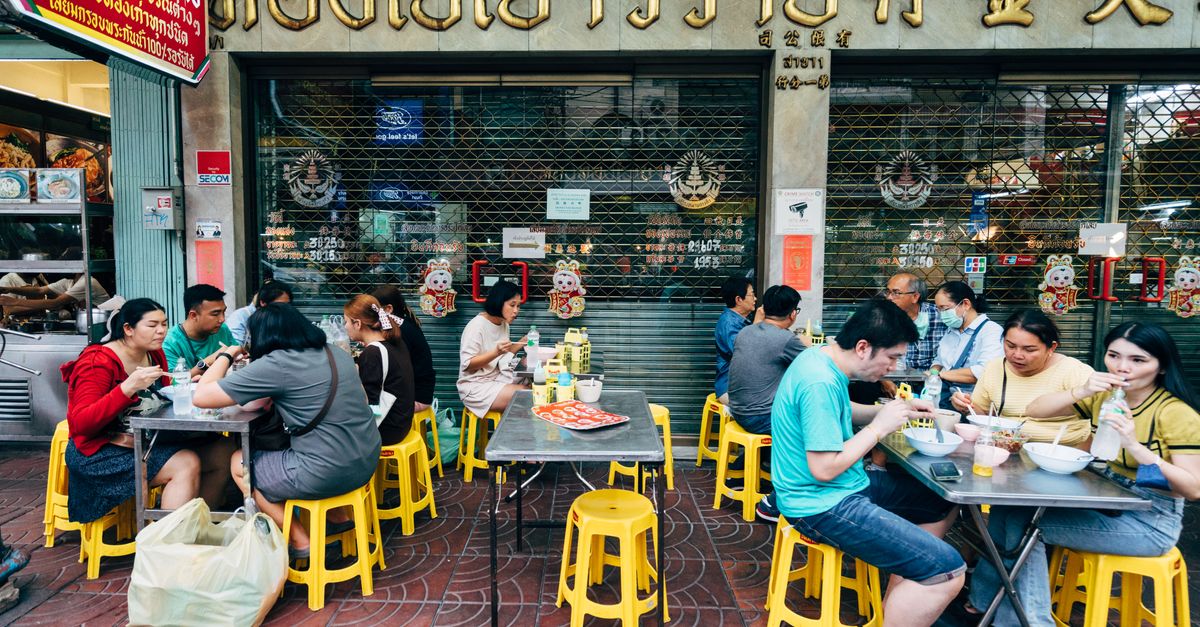 This photo was taken by Markus Winkler on Pexels.
Welcome to the vibrant heart of Thailand, where every corner whispers a story and every plate tells a tale of rich history and fiery flavors. As your local guide through Bangkok's bustling streets, I invite you to embark on a culinary journey that goes far beyond the tourist traps. From the sizzling woks of chaotic night markets to the quiet charm of hidden alleyway eateries, this city is a paradise for food lovers. In this post, we will explore the essential dishes that define the soul of Bangkok, guiding you through the electric energy of street food stalls, the aromatic depths of authentic curries and noodles found in secret alleys, and the sweet perfection of traditional desserts like coconut ice cream and mango sticky rice. Get ready to eat like a true local and discover why Bangkok is often hailed as one of the world's greatest food capitals.
Street Food Stalls: The Soul of Bangkok's Night Markets
Immerse yourself in the vibrant chaos of Bangkok's night markets, where the true soul of the city is cooked up on rolling charcoal grills and sizzling woks. Unlike the polished restaurants found along Sukhumvit Road, these humble street stalls offer an unfiltered culinary adventure that defines the local experience. As dusk falls, the air fills with the aromatic symphony of lemongrass, chilies, and fresh herbs, guiding you toward vendors who have perfected their craft over generations. Whether you are squeezing through a narrow alleyway in Chinatown or wandering the open plazas of Chatuchak, the atmosphere is electric, filled with the clatter of metal bowls and the warm smiles of owners eager to share their family recipes with curious travelers.
To truly eat like a local, you must embrace the art of eating with your hands while standing at a plastic stool, diving into iconic dishes that tell a story of Thai resilience and flavor. Don't miss the chance to slurp down a bowl of Kuay Teow Reua (boat noodles) rich with offal and spices, or try the fiery yet refreshing Som Tum (green papaya salad) pounded right before your eyes. Each stall offers a unique twist on classic favorites, from crispy Moo Ping grilled pork skewers glazed in sweet soy sauce to the delicate balance of flavors in Pad Thai stir-fried with tamarind paste. By skipping the tourist traps and following the crowds to the steaming pots, you aren't just filling your stomach; you are connecting with the heartbeat of Bangkok's culinary culture.
 This photo was taken by Erik Mclean on Pexels.
Hidden Alleyway Gems: Authentic Thai Curries and Noodles
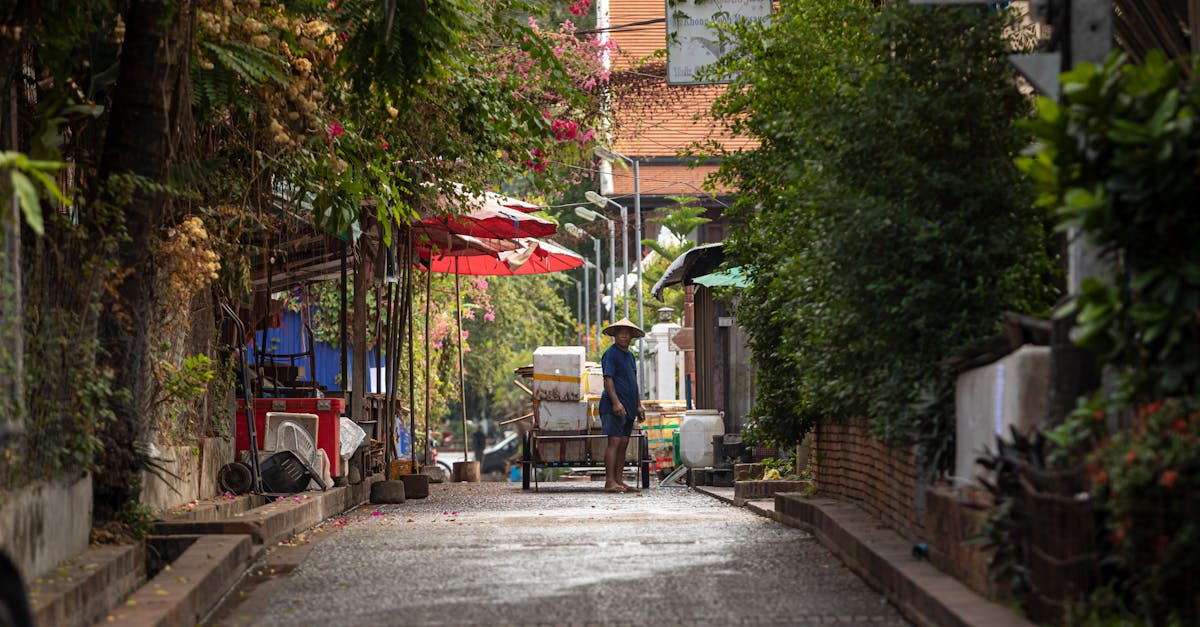
While the bustling street corners of Chinatown and Sukhumvit offer their own culinary theater, some of Bangkok's most soul-warming meals are tucked away in the narrow, labyrinthine alleyways known as sois. Venturing off the main thoroughfares into these quiet backstreets reveals family-run stalls where the air is thick with the aromatic dance of lemongrass, galangal, and toasted spices. Here, you will find the city's legendary boat noodles served in tiny bowls alongside rich, coconut-infused curries that have been simmered for hours over charcoal fires. These hidden gems often lack menus or English signage, relying instead on the universal language of steam rising from clay pots and the inviting hum of locals chatting while eating, offering an authentic taste of Thai comfort food that feels far removed from the tourist crowds.
The beauty of exploring these secluded alleys lies in the simplicity and depth of flavor found in dishes like gaeng som, a sour fish curry brimming with fresh vegetables, or khanom chin nam ngiao, a Northern-style noodle soup with a complex, fermented pork broth. Unlike the standardized chains found in malls, these small eateries pride themselves on recipes passed down through generations, ensuring every bite carries the distinct character of its neighborhood. Whether you are slurping up spicy rice noodles topped with crispy pork cracklings or savoring a mild yellow curry with tender chicken, dining in these intimate settings allows you to connect with the daily rhythm of Bangkok life, proving that the best flavors are often found just around the corner from the beaten path.
 This photo was taken by Stephen Leonardi on Pexels.
Sweet Endings: Must-Try Desserts from Coconut Ice Cream to Mango Sticky Rice
No visit to Bangkok is truly complete without indulging in the city's legendary sweet treats, which often serve as a refreshing counterpoint to spicy and savory main courses. You must try Khao Niew Mamuang, the iconic Mango Sticky Rice, where fragrant glutinous rice soaked in rich coconut cream is paired with slices of ripe, golden mango; it is a harmonious blend of textures and flavors that defines Thai dessert culture. For those seeking something cooler on a humid afternoon, look for vendors selling Koat Sangkhaya, a creamy coconut custard served inside young green coconuts, or simply scoop up a cup of homemade coconut ice cream topped with crispy mung beans and sticky rice balls for a delightful, cooling sensation.
Beyond these classics, Bangkok's street food scene offers a myriad of other sugary delights that showcase local ingenuity and fresh ingredients. Explore the vibrant night markets to find Lod Chong, colorful jelly ribbons tossed in palm sugar syrup and coconut milk, or sample Foi Thong, delicate golden egg-yolk threads simmered in thick sugar syrup that symbolize prosperity. Whether you are wandering through Chinatown or strolling along the Chao Phraya River, keeping an eye out for these traditional sweets will ensure your culinary journey ends on a perfectly sweet note, leaving you with memories as vibrant as the city itself.
 This photo was taken by Vilnis Husko on Pexels.