Cultural Immersion: Participating in a Thai Cooking Class
 This photo was taken by Chait Goli on Pexels.
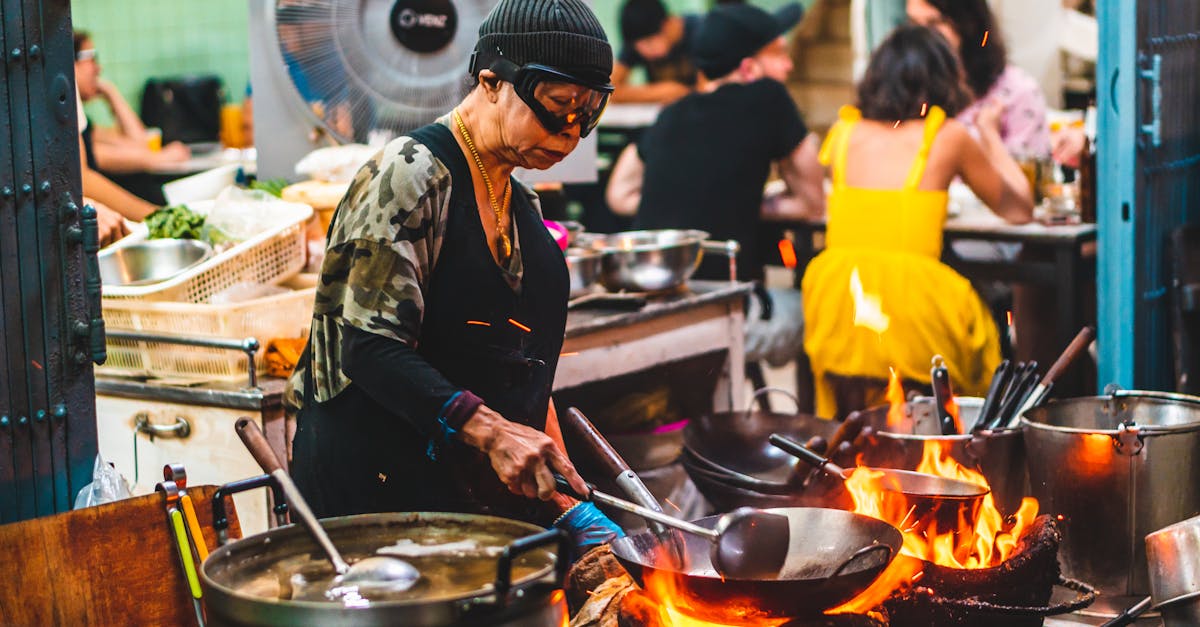
Welcome to the heart of Bangkok, where the air is thick with the scent of lemongrass, chilies, and frying garlic. As your local guide, I invite you to step beyond the bustling streets and into a vibrant culinary journey that goes far deeper than just tasting delicious food. In this post, we explore the transformative experience of participating in a Thai cooking class—a true gateway to understanding the soul of our culture. From wandering through chaotic yet colorful markets to select the freshest ingredients, to mastering the delicate art of balancing sweet, sour, salty, and spicy flavors, every step is a lesson in tradition. But it doesn't end at the stove; it concludes with the warmth of sharing stories over a home-cooked feast, connecting us all through the universal language of food. Get ready to roll up your sleeves and discover why cooking Thai cuisine is one of the most authentic ways to immerse yourself in Thailand.
From Market to Kitchen: Sourcing Fresh Thai Ingredients
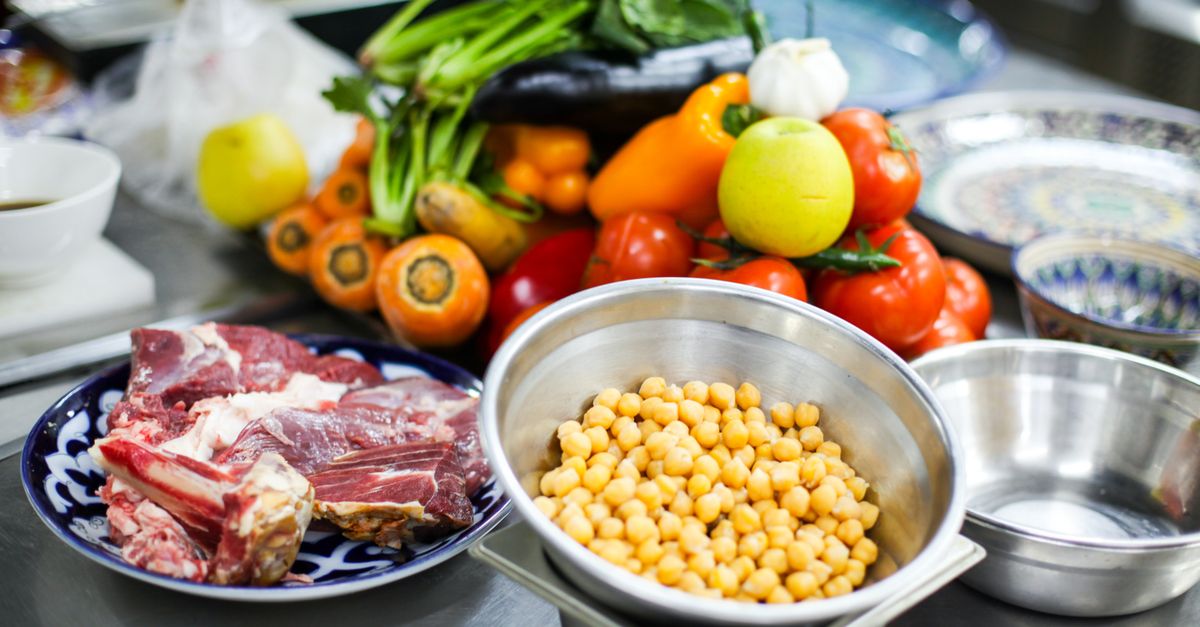
The journey to authentic Thai flavors begins long before the first stir-fry, starting instead with a vibrant morning at a local wet market like Talad Thai or Khlong Toei. Here, you will step away from the tourist trails and into a sensory explosion of sights, sounds, and aromas as vendors shout prices over piles of emerald kaffir limes, fiery bird's eye chilies, and fragrant lemongrass. Guided by your chef, you'll learn the art of selecting the perfect ripe mango for dessert or identifying the freshest river prawns, understanding that the secret to Thai cuisine lies not just in technique, but in the quality and seasonality of its raw ingredients.
Once your basket is filled with these treasures, the narrative shifts from the bustling stalls to the serene kitchen where these elements are transformed into culinary masterpieces. This transition marks the heart of cultural immersion, as you discover how specific herbs are bruised to release their oils or how fish sauce is balanced against palm sugar to create the signature harmony of sweet, sour, salty, and spicy. By sourcing your own produce, you gain a deeper appreciation for the agricultural rhythms of Thailand, turning a simple cooking lesson into a profound connection with the land and the people who cultivate it, ensuring that every dish you prepare carries the true soul of Bangkok.
 This photo was taken by Collab Media on Pexels.
Mastering the Art of Balance: Flavors, Herbs, and Spices
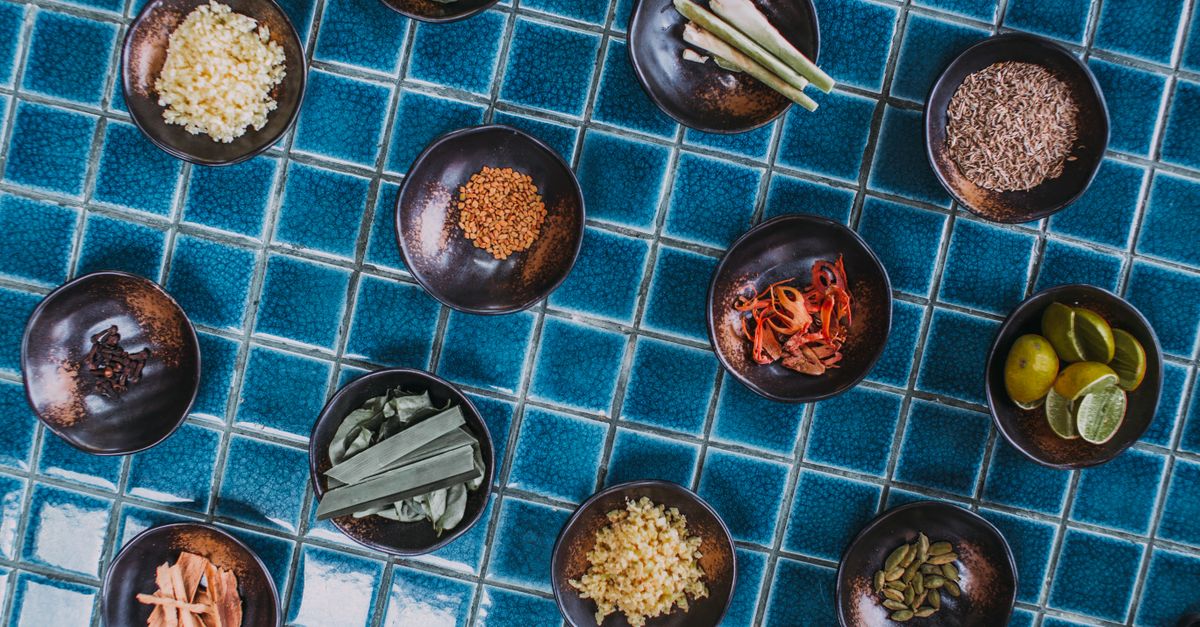
In the heart of Bangkok's bustling culinary scene, a Thai cooking class offers more than just a recipe; it unveils the philosophical secret behind every dish: the perfect harmony of sweet, sour, salty, spicy, and bitter. As you chop fresh lemongrass, galangal, and kaffir lime leaves under the guidance of local chefs, you learn that these aromatic herbs are not merely ingredients but the soul of Thai cuisine. The art lies in balancing the fiery kick of bird's eye chilies with the cooling sweetness of palm sugar and the sharp tang of tamarind, creating a symphony of flavors that dances on your palate. This sensory journey transforms simple market vegetables into complex masterpieces, teaching you to trust your senses rather than rigid measurements.
Beyond the wok, mastering this balance requires an understanding of texture and timing, where the crunch of fresh basil or the silkiness of coconut milk can elevate a meal from ordinary to extraordinary. You will discover how the subtle heat of spices like white pepper is carefully layered to build depth without overwhelming the delicate notes of fish sauce or shrimp paste. By the time you sit down to taste your creation, you realize that cooking Thai food is an act of cultural immersion, connecting you to generations of families who have perfected this equilibrium over centuries. Whether you are stirring a steaming pot of Tom Yum or tossing a vibrant Pad Thai, you carry home not just a skill, but a deeper appreciation for Thailand's rich gastronomic heritage.
 This photo was taken by Rachel Claire on Pexels.
Beyond the Recipe: Sharing Stories Over a Home-Cooked Feast
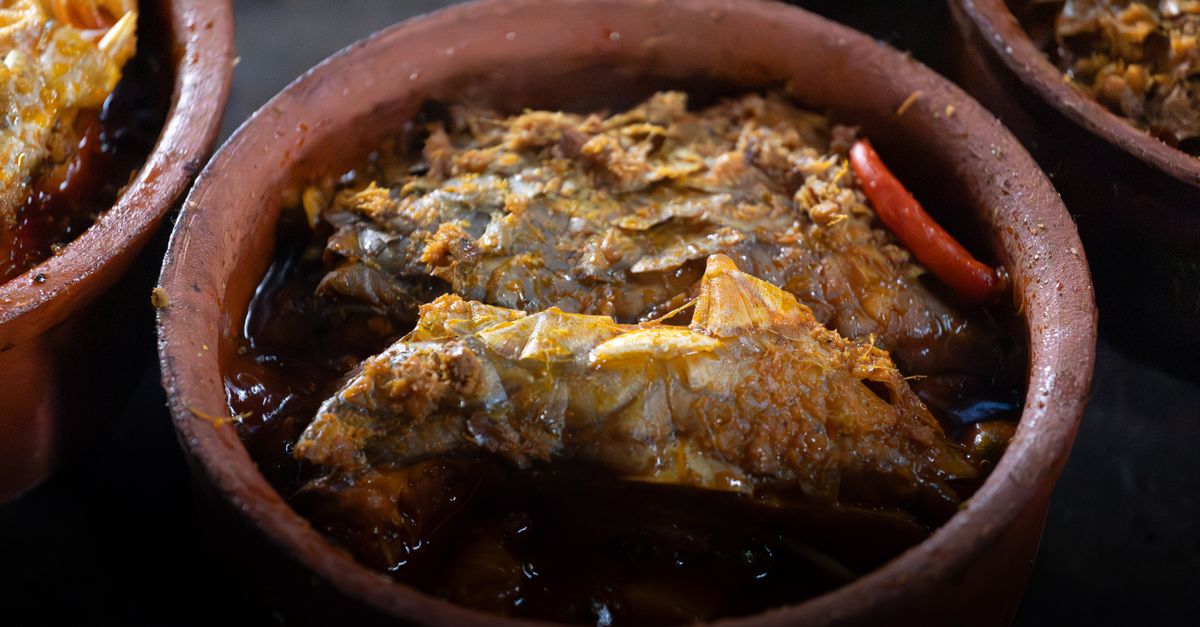
While mastering the delicate balance of lemongrass, galangal, and kaffir lime leaves is undoubtedly the highlight of your Thai cooking class in Bangkok, the true essence of the experience lies in the stories woven around the communal table. Once the wok fires are extinguished and the fragrant steam clears, you find yourself seated with fellow travelers and your local chef, sharing a home-cooked feast that feels more like a family gathering than a formal lesson. In these moments, the rigid instructions of the recipe dissolve into lively conversations about village life in Chiang Mai, the history of ancient spice trade routes along the Chao Phraya River, and personal anecdotes of how specific dishes have evolved over generations within Thai households.
This shared culinary journey transforms simple ingredients into powerful connectors, allowing you to understand Thailand not just as a destination on a map, but as a living culture deeply rooted in hospitality and community. As you pass bowls of steaming Pad Thai or spicy Tom Yum soup, you learn that every meal in Thailand is an act of love, often prepared with the intention of bringing people together regardless of their background. By participating in this ritual of breaking bread—or rather, rice—you gain a profound appreciation for the warmth of Thai society, creating memories that linger long after you have returned to your own kitchen and attempted to recreate those flavors alone.
 This photo was taken by Hồng Quang Official on Pexels.