Cultural Etiquette: Respecting Local Customs While Traveling in Thailand
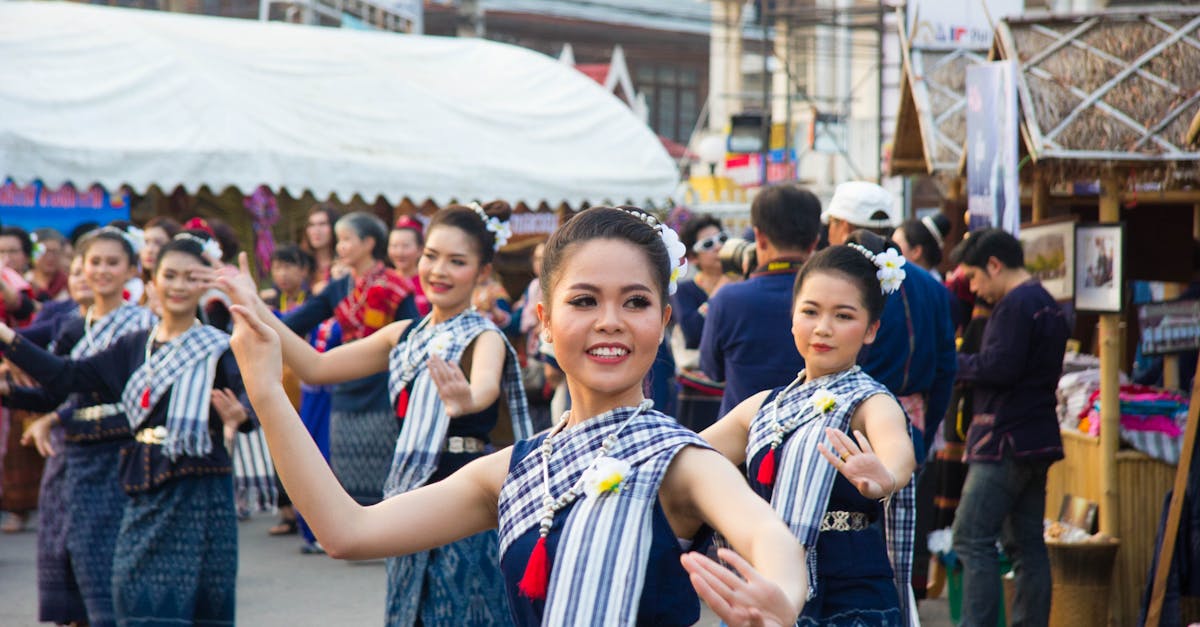 This photo was taken by Suraphat Nuea-on on Pexels.
Welcome to the Land of Smiles! As your local guide in Bangkok, I am thrilled to share the vibrant heart of Thailand with you. However, traveling here is about more than just visiting iconic temples or savoring street food; it is about connecting with a culture that deeply values respect, harmony, and grace. To truly experience the warmth of the Thai people, understanding their unique social codes is essential. In this post, we will explore the sacred significance of body language regarding the head and feet, discover the appropriate attire for entering holy grounds, and learn how to navigate daily interactions with the gentle art of the smile. Let us embark on a journey where your curiosity meets cultural appreciation.
The Sacred Head and Feet: Understanding Body Language
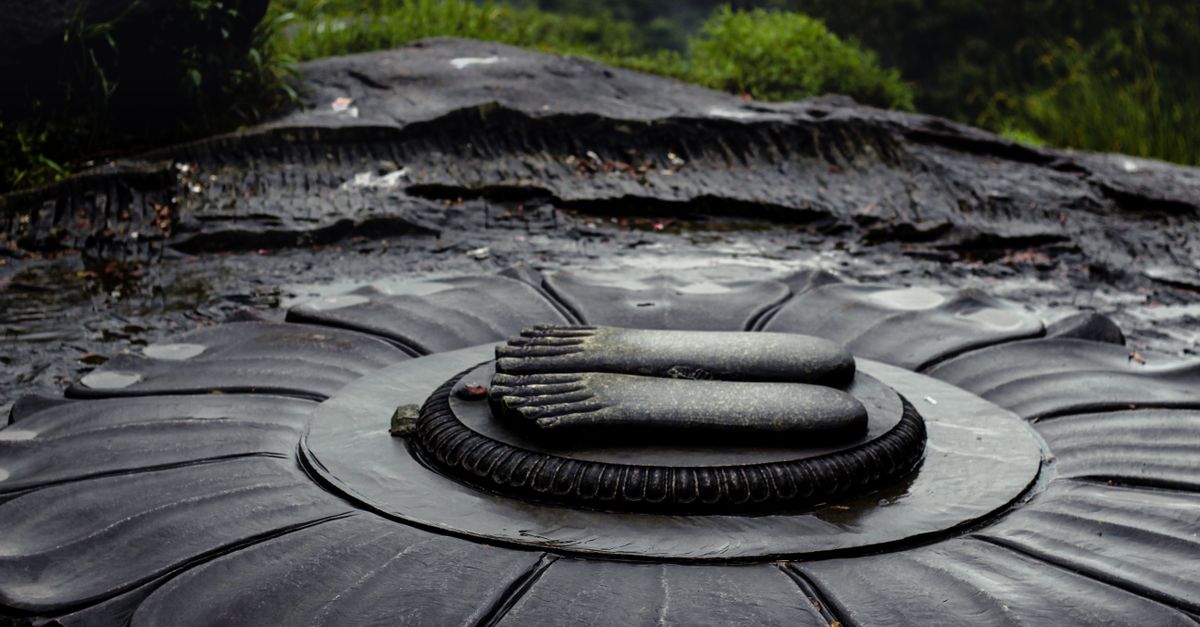
In Thai culture, the head is revered as the most sacred part of the body, housing one's soul and spirit, while the feet are considered the lowest and dirtiest. As a visitor, it is crucial to avoid touching anyone on the head, even children, as this is seen as a profound sign of disrespect; conversely, never point your feet at people, Buddha images, or altars when sitting. When relaxing in temples or local homes, sit with your legs tucked beneath you or crossed neatly, ensuring your soles are hidden from view, as exposing them can be interpreted as an insult to the person or place you are facing.
This deep-seated belief extends to practical movements and gestures throughout your journey. If you need to move past someone seated on the floor, such as in a temple or a traditional shop, always do so by bending low and stepping over their feet rather than walking across them, which is viewed as highly offensive. Furthermore, when passing objects to elders or monks, use both hands or support your right elbow with your left hand to show humility and respect. By mastering these subtle nuances of body language, you demonstrate a genuine appreciation for Thai traditions and foster a more welcoming connection with the locals who warmly welcome guests who honor their customs.
 This photo was taken by Ink Spreader on Pexels.
Dressing with Respect at Temples and Royal Sites
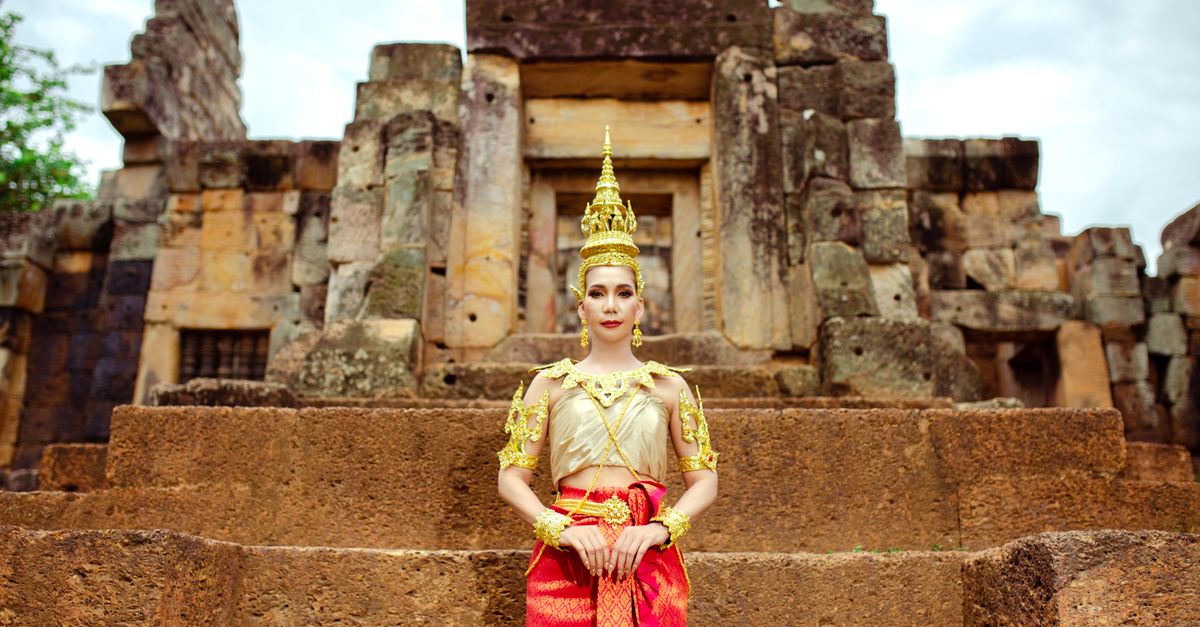
When visiting Thailand's sacred temples (wats) and royal palaces, dressing modestly is not just a suggestion but a strict requirement that reflects deep respect for the nation's spiritual and cultural heritage. As you explore the golden spires of Wat Arun or the grand halls of the Grand Palace, ensure your shoulders and knees are fully covered; this means avoiding sleeveless tops, tank tops, short shorts, and mini-skirts. Should you arrive unprepared, many major sites offer sarongs and cover-ups for rent at the entrance, but it is always more convenient to pack a lightweight scarf or a loose-fitting shirt specifically for these occasions. This practice honors the sanctity of the space where monks pray and royalty once resided, allowing you to immerse yourself in the atmosphere without causing offense.
Beyond clothing choices, proper footwear etiquette is equally important when navigating temple grounds. You will often be required to remove your shoes before entering any building with a raised floor or specific prayer halls, so wearing slip-on shoes like sandals or loafers can make this process much smoother than dealing with complex laces. Once inside, remember to keep your feet pointed away from Buddha images or other people, as showing the soles of your feet is considered highly disrespectful in Thai culture. By adhering to these dress codes and behavioral norms, you demonstrate a genuine appreciation for local customs, ensuring that your journey through Bangkok's most revered sites remains respectful and memorable for all the right reasons.
 This photo was taken by HANUMAN PHOTO STUDIO🏕️📸 on Pexels.
The Art of the Smile: Navigating Social Interactions Gracefully
In the vibrant heart of Bangkok, the famous Thai smile is far more than a mere expression; it is a sophisticated social tool known as mai pen rai, which translates roughly to "no worries" or "it's alright." As you navigate bustling markets like Chatuchak or quiet temples in the Old City, remember that maintaining this gentle demeanor is key to resolving misunderstandings gracefully. Locals often use a smile to diffuse tension, save face, or simply show kindness even when they do not understand your language. By reciprocating with patience and a warm smile, you signal respect for their culture and invite locals to be more helpful and welcoming, turning potential friction into memorable, positive interactions.
Beyond the smile itself, understanding the concept of sawasdee (greetings) and the appropriate way to bow your head slightly while saying wai is essential for showing deep respect. When interacting with elders, monks, or service staff, a gentle nod accompanied by hands pressed together at chest level conveys humility and gratitude, creating an immediate bond of trust. Whether you are bargaining for silk at a street stall or ordering pad thai from a food vendor, approaching every exchange with humility and a calm voice will ensure your journey through Thailand feels seamless and harmonious. Embracing these subtle nuances transforms you from a passive observer into a respected guest who truly appreciates the warmth of the Land of Smiles.
 This photo was taken by Erik Mclean on Pexels.