Cultural Etiquette: Do's and Don'ts for Visitors in Thailand
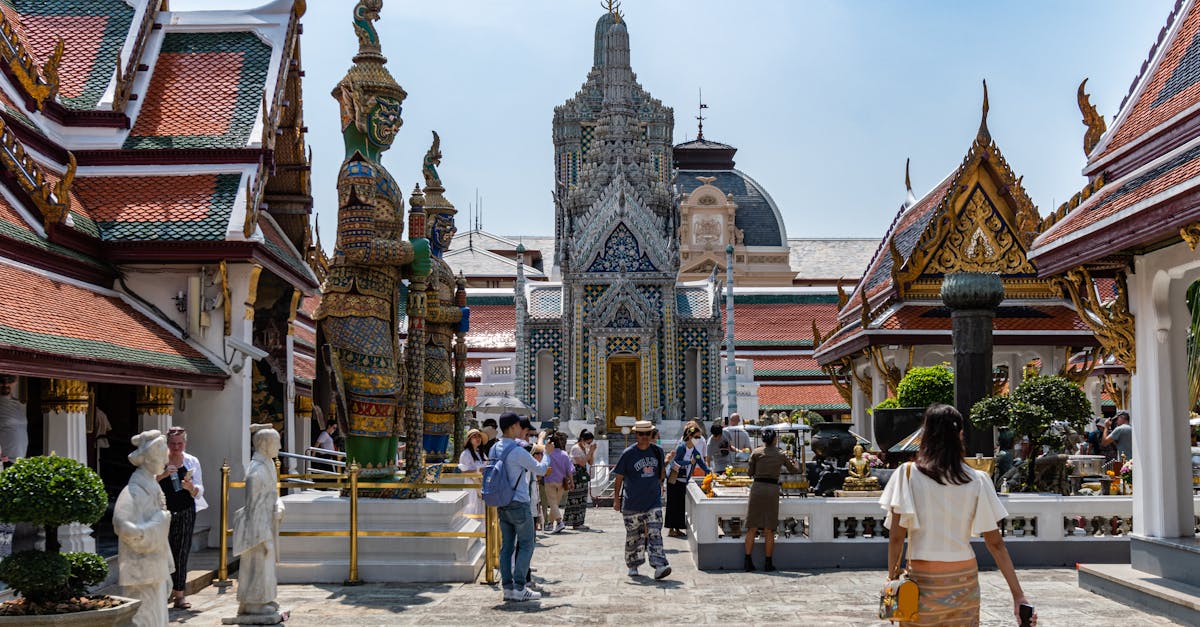 This photo was taken by Kirandeep Singh Walia on Pexels.
Welcome to the Land of Smiles! As you embark on your journey through the vibrant streets, ancient temples, and bustling markets of Bangkok, understanding the local customs is the key to unlocking a truly authentic experience. Thailand places a profound emphasis on respect, harmony, and social grace, which can sometimes differ from Western norms. In this guide, we will walk you through the essential cultural etiquette every visitor should know, ensuring your interactions are met with warmth and appreciation. From showing reverence to the Monarchy and Buddhism to mastering the art of the wai, navigating dining tables, and adhering to appropriate dress codes, these insights will help you navigate Thai society with confidence and courtesy. Let's dive in and discover how to be a respectful guest in one of the world's most captivating destinations.
Respecting the Monarchy and Buddhism
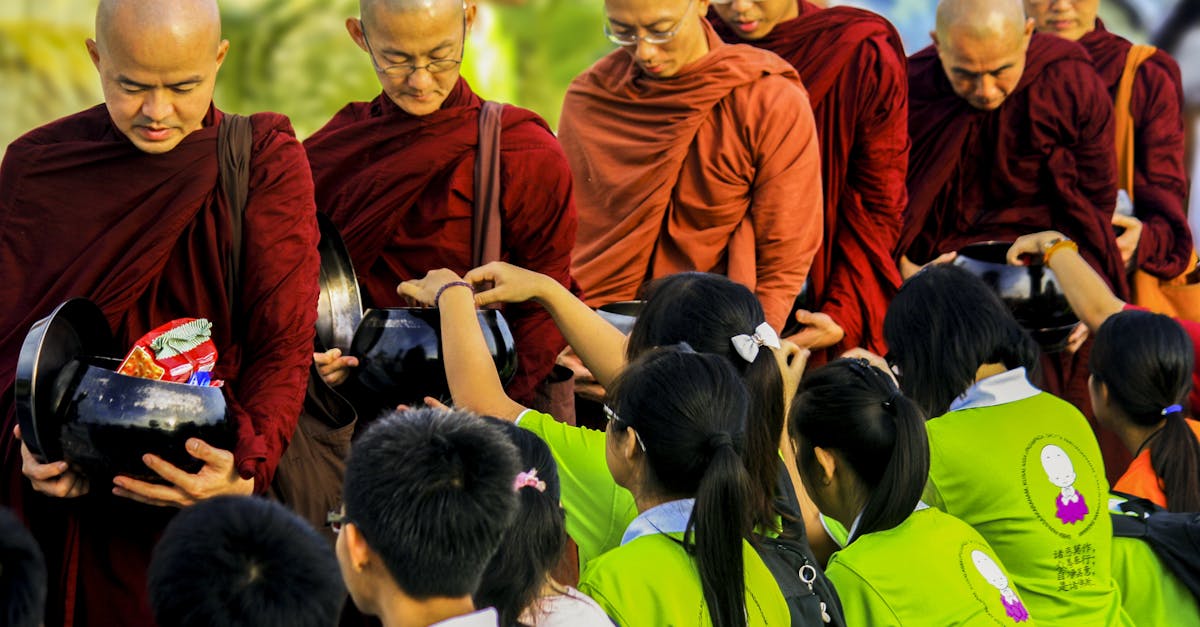
When exploring the vibrant streets of Bangkok, it is paramount to show profound respect for Thailand's revered monarchy and its deep-rooted Buddhist traditions. The Thai King is held in the highest esteem, and visitors should always stand when the national anthem is played at cinemas or public events, and never speak critically about the royal family. Similarly, Buddhism permeates daily life; temples are sacred spaces where you must dress modestly by covering your shoulders and knees, remove your shoes before entering any building, and sit with your feet tucked away from Buddha images. It is considered highly offensive to touch a monk if you are female, or to climb on any structure that houses religious artifacts, so please observe these customs with grace and humility.
In addition to specific temple rules, general conduct regarding these institutions reflects a visitor's appreciation for Thai culture. You should never point your feet at people or religious objects, as the foot is considered the lowest and dirtiest part of the body, and always use your right hand when giving or receiving items. When visiting a monastery, maintain a quiet and reverent demeanor, avoiding loud conversations or disruptive behavior that could disturb the monks' meditation. By adhering to these etiquette guidelines, you not only honor the spiritual heart of the nation but also ensure a warm and welcoming experience from the local community who take immense pride in preserving their heritage.
 This photo was taken by Pixabay on Pexels.
The Art of the Wai and Body Language
Welcome to the heart of Thai hospitality, where the art of the Wai serves as the universal greeting that transcends mere words. This graceful gesture involves placing your palms together in a prayer-like position while bowing your head slightly, with the height of your hands and the depth of your bow indicating the level of respect for the person you are addressing. While locals will often initiate the Wai when meeting tourists, it is not strictly required for visitors to reciprocate if they feel unsure; however, learning to return the gesture with a warm smile is highly appreciated and instantly bridges cultural gaps. Remember that the Wai is also used to say "hello," "thank you," or "sorry," making it an essential tool for navigating daily interactions in Bangkok's bustling streets and serene temples alike.
Beyond the Wai, understanding non-verbal cues is crucial for showing respect in Thailand, particularly regarding body language and physical contact. The head is considered the most sacred part of the body, so never touch someone on the head, even children, as this is seen as deeply offensive. Conversely, your feet are viewed as the lowest and dirtiest part of your body; avoid pointing the soles of your feet at people or Buddha images, and remove your shoes before entering homes or certain shops. Additionally, public displays of affection are generally frowned upon, and maintaining a calm demeanor with a soft voice is key to avoiding conflict, as Thais value harmony and will rarely raise their voices or show anger openly. By observing these subtle nuances, you demonstrate cultural sensitivity that will be met with genuine warmth and hospitality throughout your journey.
 This photo was taken by Ahmad Shaufi on Pexels.
Dining Etiquette and Dress Codes
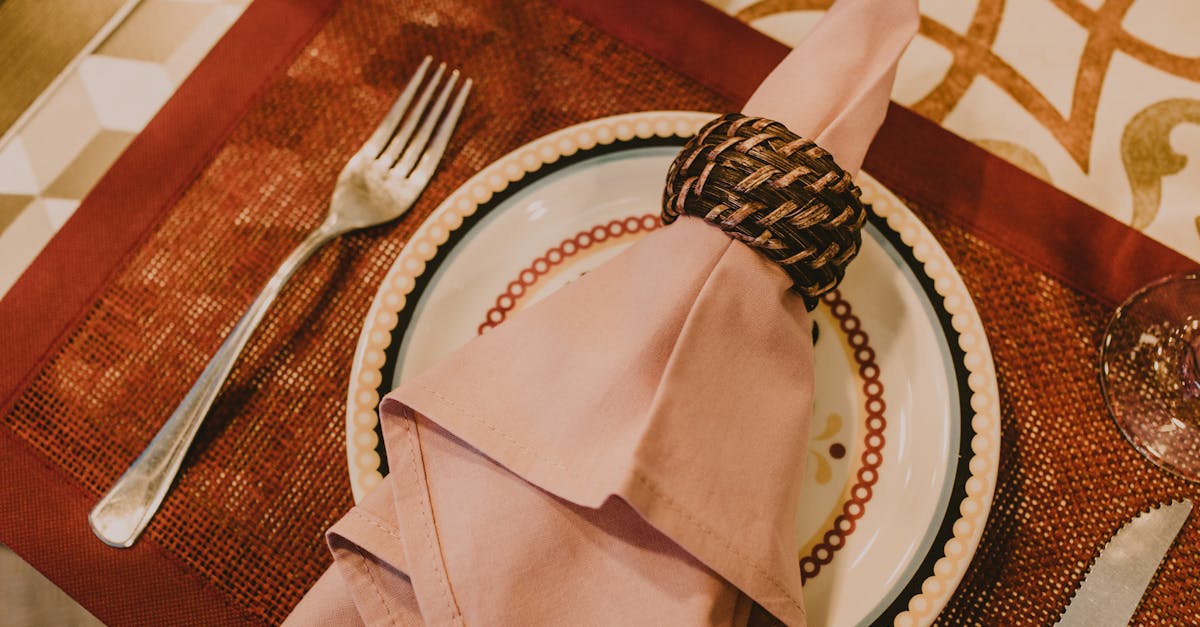
When dining in Bangkok, you will quickly discover that the meal is a communal and relaxed affair where sharing dishes is the norm. It is customary to wait for the eldest person at the table to start eating before you begin your own meal, showing respect for seniority. While chopsticks are used for noodles, the spoon and fork are your primary utensils; hold the fork in your left hand to push food onto the spoon, which is then brought to your mouth, while keeping the knife on the side. A small but important detail is leaving a little food on your plate if you have finished, as this signals to the host that they were generous enough to provide more than you could eat, whereas cleaning your plate completely might imply they didn't serve enough.
Dress codes in Thailand are deeply rooted in the country's reverence for its monarchy and Buddhist temples, so modesty is key regardless of the weather. When visiting any temple or royal palace, you must cover your shoulders and knees, avoiding sheer fabrics, tight clothing, or shorts that end above the knee; it is also mandatory to remove your shoes before entering sacred buildings. For general sightseeing in the city, while modern malls and street markets are quite casual, wearing overly revealing attire like crop tops or short skirts can be seen as disrespectful in traditional neighborhoods or when interacting with locals. Dressing neatly not only shows cultural sensitivity but often grants you smoother access to sites and warmer interactions with the people you meet.
 This photo was taken by Jonathan Borba on Pexels.