Cultural Etiquette: Do's and Don'ts for Visiting Thai Temples
 This photo was taken by Erik Mclean on Pexels.
Welcome to the Land of Smiles, where the golden spires of Bangkok's temples pierce the sky and invite you into a world of profound peace and spiritual beauty. As your local guide, I am thrilled to share that visiting these sacred sites is one of the most enriching experiences a traveler can have in Thailand. However, stepping onto temple grounds requires more than just a camera; it demands respect for a deeply rooted culture that values humility and reverence above all else. To ensure your visit is both meaningful and appropriate, we will explore the essential "Do's and Don'ts" of Thai temple etiquette. From understanding what constitutes appropriate attire to mastering the delicate rules surrounding body language and interactions with monks, this guide will help you navigate these holy spaces with confidence and grace.
Dressing the Part: Appropriate Attire for Temple Visits
When stepping into the sacred grounds of Bangkok's magnificent temples, such as Wat Arun or Wat Phra Kaew, dressing with modesty is not just a rule but a profound sign of respect for Thai culture and Buddhism. Visitors are required to cover their shoulders, chests, and knees at all times; this means avoiding tank tops, sleeveless shirts, short shorts, or mini-skirts. If you find yourself unprepared upon arrival, many major temples offer sarongs or loose-fitting trousers for rent or loan at the entrance, though it is always more convenient and dignified to arrive already covered up. Remember that clothing should be loose enough to move comfortably while maintaining a neat appearance, reflecting the serene atmosphere within these holy sites.
Beyond covering skin, your footwear choices play a crucial role in adhering to temple etiquette. Shoes must be removed before entering any building that houses Buddha images or serves as a prayer hall, so wearing slip-on shoes like sandals or loafers is highly recommended over complex laces or boots that take time to remove. It is also essential to avoid revealing clothing made of sheer fabrics or tight outfits that might draw unwanted attention, as the goal is to blend in respectfully rather than stand out. By taking a moment to check your attire before entering, you honor the spiritual significance of the location and ensure a peaceful experience for both yourself and the devotees praying inside.
 This photo was taken by Caleb Oquendo on Pexels.
The Sacred Head and Feet: Body Language Rules
In the heart of Thai spirituality, your body is viewed as a sacred vessel with distinct hierarchies that must be respected within temple grounds. The head is considered the most sacred part of the body, housing the soul and intellect, while the feet are seen as the lowest and dirtiest. Consequently, it is strictly prohibited to touch anyone's head, even a child's, without explicit permission, as this is perceived as an invasion of their spiritual space. Conversely, never point your feet toward Buddha images or monks; when sitting on the floor, tuck your legs beneath you or cross them neatly so your soles do not face any religious icon, as doing so is a profound sign of disrespect.
Understanding these rules extends beyond mere posture to how you navigate the physical space of the temple. When entering the Ubosot (ordination hall) or approaching a shrine, always remove your shoes and ensure your feet are clean before stepping onto the sacred floor. If you need to move past someone seated near a statue, step over them rather than walking around, but keep your feet pointed away from the ground they are sitting on. By mastering this silent language of the body, you demonstrate deep reverence for Thai culture, allowing you to fully immerse yourself in the serene atmosphere of Bangkok's historic temples without causing unintentional offense.
This photo was taken by Erik Mclean on Pexels.
Respecting the Monks and Buddha Images
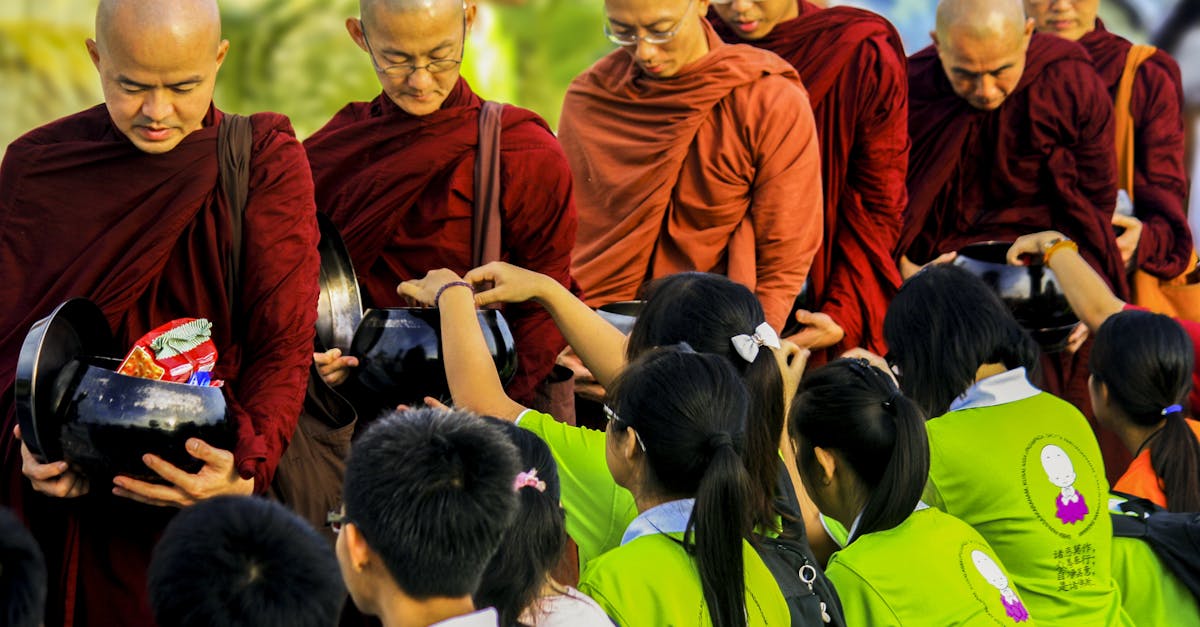
When visiting a temple in Bangkok, it is essential to approach the monks with the utmost reverence, as they are held in high esteem within Thai society. If you encounter a monk walking on the street or sitting in the temple grounds, simply step aside and allow them to pass without obstruction; women should be particularly mindful not to touch a monk directly or hand objects to them, as physical contact between females and monks is traditionally prohibited. Instead, place any offerings or items on a cloth or table for the monk to pick up themselves. Always maintain a respectful distance and keep your voice low, ensuring that your presence does not disrupt their meditation or daily duties.
Buddha images, whether seated or standing, represent the sacred heart of every temple and must be treated with profound respect at all times. Before entering any shrine room, ensure your shoulders and knees are covered, and remove your shoes immediately upon crossing the threshold. Never climb onto the pedestal or stand higher than a Buddha image, as this is considered highly disrespectful; instead, sit on the floor with your legs tucked underneath you if you wish to pay homage. When taking photographs, always ask for permission first, and never turn your back to a Buddha image while sitting or standing nearby, as this implies a lack of honor toward the revered figure.
 This photo was taken by Pixabay on Pexels.