Cultural Etiquette: Do's and Don'ts for Tourists in Thailand
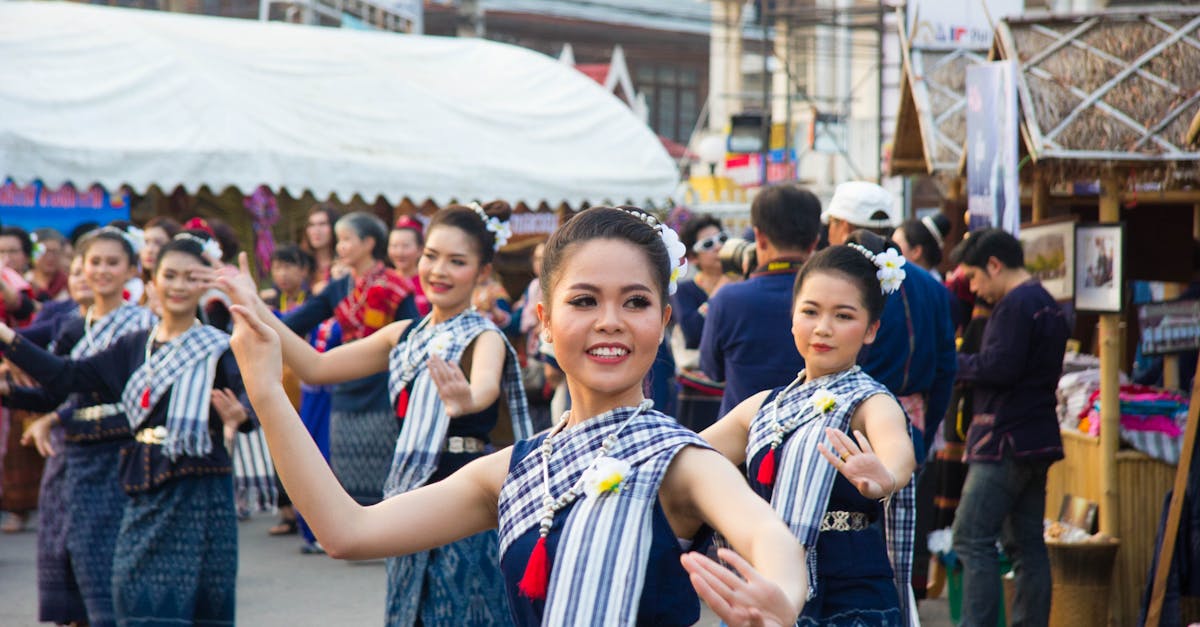 This photo was taken by Suraphat Nuea-on on Pexels.
Welcome to the Land of Smiles, where ancient traditions blend seamlessly with modern vibrancy. As you embark on your journey through Bangkok and beyond, understanding the subtle nuances of Thai culture is the key to unlocking authentic experiences and earning the warmest welcome from locals. This guide is designed to help you navigate social interactions with confidence and respect, ensuring your trip is as smooth as it is memorable. From honoring the revered Royal Family and Buddhist customs to mastering the graceful 'Wai' greeting and navigating the intricacies of dining etiquette, we will walk you through the essential do's and don'ts that every visitor should know.
Respecting the Royal Family and Buddhism
In Thailand, the Royal Family and Buddhism are deeply intertwined pillars of national identity, and showing respect for them is non-negotiable for visitors. When encountering images of the King or Queen, such as on currency, banknotes, or in public buildings, you must stand still and remove your hat as a sign of deference; it is also strictly prohibited to deface, step over, or treat these images casually. Furthermore, when visiting temples (Wats), dress modestly by covering your shoulders and knees, and always remove your shoes before entering any sacred building. If you see a monk walking, women should never touch him directly or hand objects straight to him, as this violates monastic codes; instead, place items on a cloth or let a male companion pass them.
Beyond physical actions, your demeanor and conversation should reflect reverence for these institutions. It is considered highly offensive to speak critically about the monarchy or make light of Buddhist rituals, so maintain a polite and respectful tone even in casual discussions with locals. During religious ceremonies, observe quietly from a distance unless invited to participate, and never point your feet toward Buddha images or monks, as feet are considered the lowest and dirtiest part of the body. By adhering to these guidelines, you not only honor Thai traditions but also foster a deeper connection with the warm hospitality that defines the Kingdom, ensuring your journey through Bangkok remains culturally enriching and trouble-free.
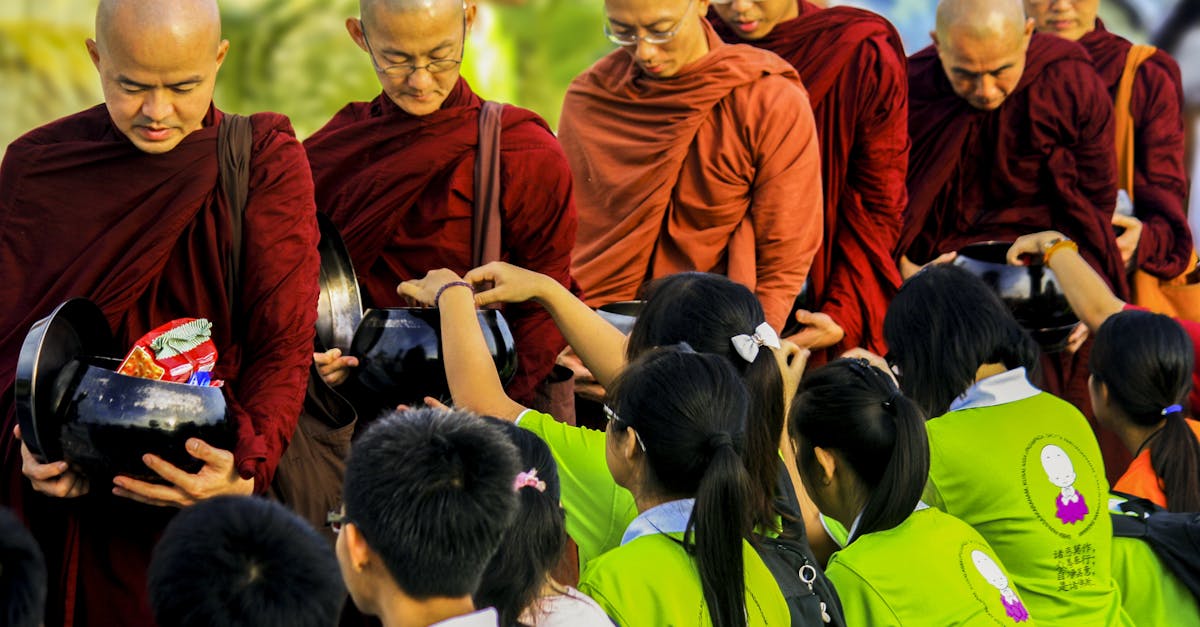 This photo was taken by Pixabay on Pexels.
Mastering the Art of the 'Wai' Greeting
Welcome to the Land of Smiles, where the 'Wai' is far more than a simple hello; it is the cornerstone of Thai social interaction and a profound gesture of respect. As you navigate the bustling streets of Bangkok, mastering this greeting will instantly endear you to locals and show your appreciation for their rich culture. To perform a proper Wai, press your palms together in a prayer-like position at chest level while bowing your head slightly so that your fingertips touch your nose or chin, depending on the status of the person you are greeting. Remember that the height of your hands and the depth of your bow should correspond to the age and rank of the recipient: a lower Wai with fingertips at the chest is suitable for peers, while a higher Wai with fingertips touching the nose or forehead is reserved for monks, elders, and royalty.
While tourists are rarely expected to initiate a Wai with strangers, understanding when to return one is crucial for maintaining harmony during your travels. If a local, especially an elder or someone in a service role like a hotel concierge or tuk-tuk driver, offers you a Wai first, it is polite and culturally significant to return the gesture immediately rather than just smiling or waving. However, there are important nuances to keep in mind: never Wai back to children, as they are considered too young to understand the hierarchy, and avoid using the Wai in situations where it might be seen as mocking or overly formal, such as in casual bar settings or when receiving goods from a vendor. By observing these subtle cues and approaching the Wai with genuine sincerity, you demonstrate not only good manners but also a deep respect for the values that bind Thai society together.
 This photo was taken by John Taran on Pexels.
Dining Etiquette: Chopsticks, Rice Bowls, and Table Manners
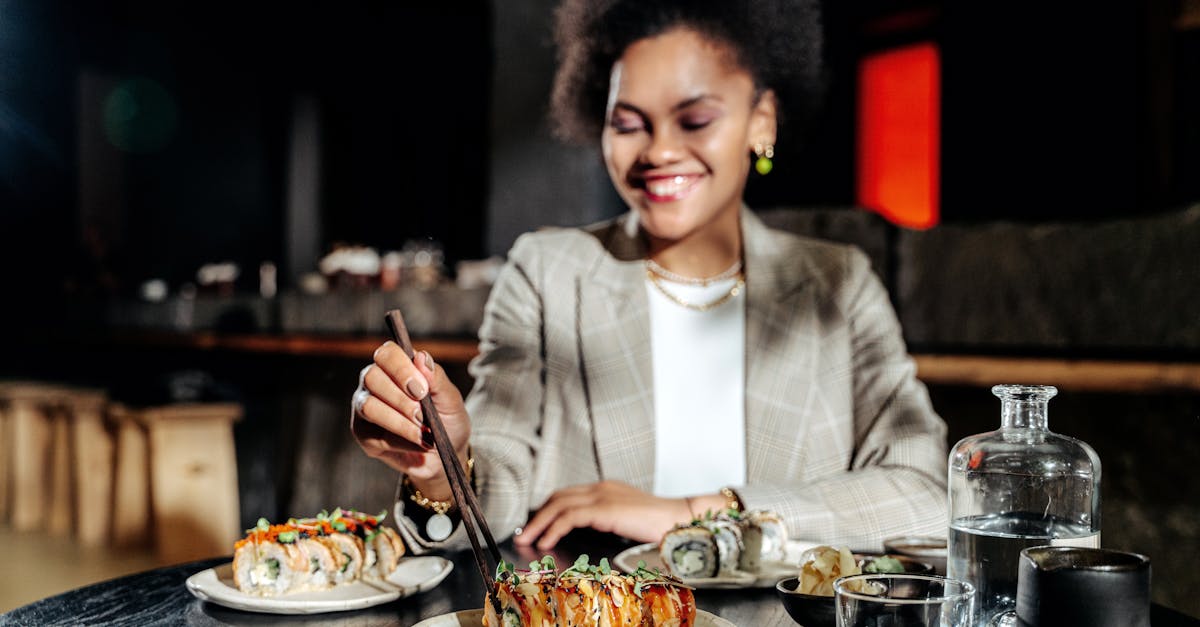
In Thailand, the dining experience is a communal affair where sharing dishes from the center of the table is the norm rather than individual servings. While chopsticks are primarily reserved for noodle soups or Chinese-influenced dishes, the standard utensil for rice and curries is a spoon held in the right hand, with a fork used only to push food onto the spoon. It is considered improper to place your fork directly into your mouth; instead, use it to gather food so you can scoop it up with your spoon. If you must eat with your hands, which happens in some traditional settings, remember to use only your right hand, as the left is traditionally associated with unclean tasks.
Table manners extend beyond utensil usage to include how you handle your bowl and express gratitude. Unlike in Japan, where lifting your rice bowl to your mouth is polite, in Thailand you should keep the bowl on the table while eating, using your spoon to bring the rice to your mouth. Never stick your chopsticks vertically into a bowl of rice, as this resembles incense sticks offered to the deceased and is seen as highly inauspicious. Finally, always wait for the host or the eldest person at the table to begin eating before you start, and try to finish everything on your plate to show appreciation for the meal, though leaving a small amount is acceptable if you are truly full.
 This photo was taken by Ivan S on Pexels.