Cultural Etiquette: Do's and Don'ts for First-Time Visitors
 This photo was taken by Erik Mclean on Pexels.
Welcome to the Land of Smiles! As you embark on your journey through the vibrant streets and bustling markets of Bangkok, understanding local customs is just as important as packing your suitcase. Thailand places a high value on respect, harmony, and tradition, and taking the time to learn these nuances will not only enrich your travel experience but also ensure you are welcomed with open arms by the locals. In this guide, we will walk you through essential cultural etiquette, covering everything from showing reverence for the Monarchy and Buddhism to navigating dining manners and adhering to dress codes when visiting sacred temples. Let's dive in and help you explore Bangkok with confidence and courtesy.
Respecting the Monarchy and Buddhism
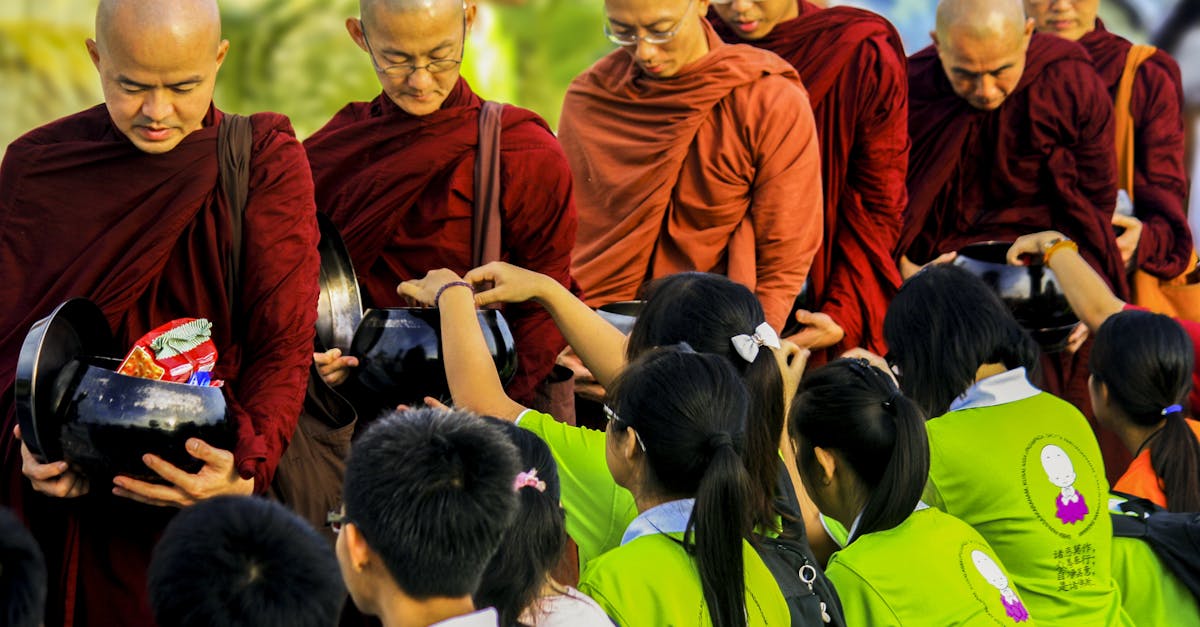
In Thailand, the monarchy and Buddhism are deeply intertwined pillars of national identity that demand your utmost respect as a visitor. When visiting temples or royal palaces, ensure you dress modestly by covering your shoulders and knees, and always remove your shoes before entering sacred spaces. It is crucial to never speak negatively about the Thai Royal Family, as this is considered a serious offense under the country's strict lèse-majesté laws; instead, observe the reverence locals show by bowing slightly or standing still when the King's image appears on television screens in public places.
Buddhist etiquette extends beyond mere appearance to your behavior within these holy sites, where you must treat Buddha images with the highest dignity by not climbing on them for photos or pointing your feet toward them. Remember that the head is considered the most sacred part of the body while the feet are the lowest, so avoid touching anyone on the head and keep your feet tucked away from religious objects. By approaching these cultural norms with humility and awareness, you demonstrate a genuine appreciation for Thailand's spiritual heritage and will be warmly welcomed by the local community.
 This photo was taken by Pixabay on Pexels.
Dining and Social Interactions
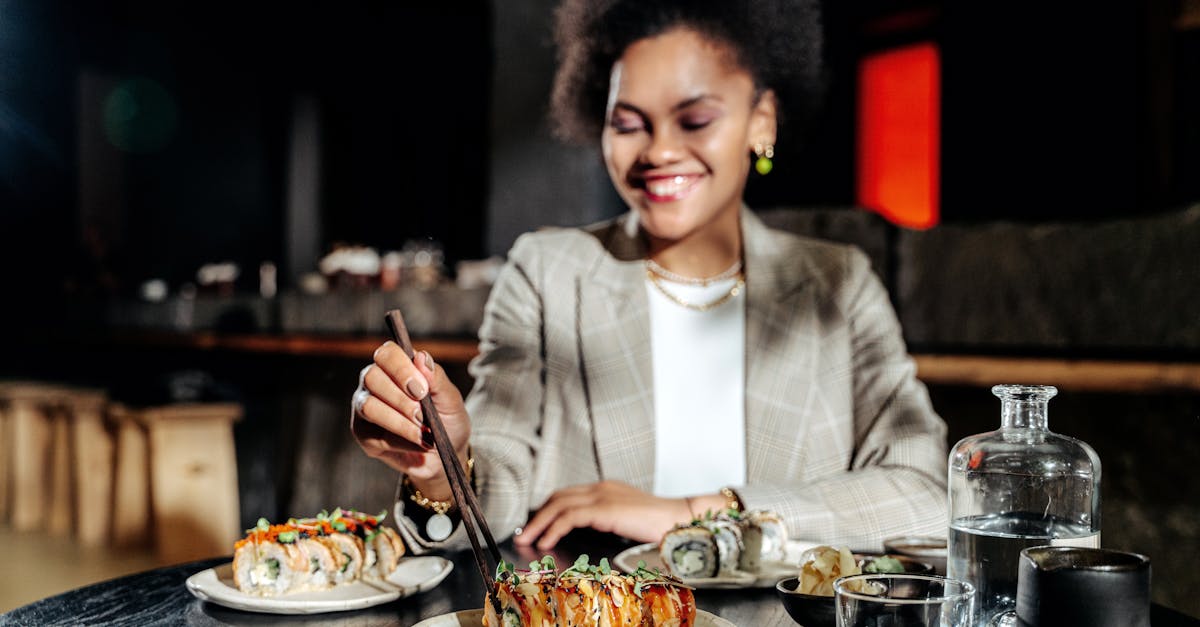
Bangkok's culinary landscape is a vibrant tapestry of flavors that thrives on social connection, making dining out one of the city's most beloved pastimes. When joining locals at street stalls or bustling restaurants, remember that sharing dishes family-style is the norm, and it is polite to wait for the eldest person at the table to start eating first. While enjoying spicy Tom Yum soup or sweet mango sticky rice, always use your spoon as the primary vessel for food, holding your fork only to push items onto it; using chopsticks is generally reserved for noodle dishes with Chinese influence. Furthermore, never point your feet toward other diners or the Buddha images often found in Thai homes, as this is considered deeply disrespectful, and try to finish everything on your plate to show appreciation for the host's generosity.
Social interactions in Bangkok are governed by a warm sense of "sanuk," which means having fun, and maintaining harmony through the concept of "kreng jai," or being considerate of others' feelings. When engaging in conversation over a cup of iced tea at a riverside cafe or a lively night market, keep your voice moderate and avoid confrontational topics like politics or criticism of the monarchy to preserve the pleasant atmosphere. Tipping is not strictly mandatory but is highly appreciated in sit-down restaurants, usually around 10% if service charge isn't included, while small change left at street vendors is a kind gesture. Always greet people with the traditional "wai," placing your palms together in a prayer-like position, and observe that the height of your hands corresponds to the status of the person you are greeting, ensuring your social exchanges remain respectful and culturally attuned.
 This photo was taken by Ivan S on Pexels.
Temple Visits and Dress Codes
When exploring Bangkok's magnificent temples, known as "wats," you will encounter some of the most serene and spiritually significant sites in Thailand, such as the Grand Palace and Wat Arun. However, respect for these sacred spaces is paramount, and this begins with adhering to strict dress codes that apply to all visitors regardless of their background. To gain entry, both men and women must ensure their shoulders and knees are fully covered; avoid wearing tank tops, sleeveless shirts, short shorts, or skirts above the knee. If your attire does not meet these requirements, many major temples offer loaner sarongs or cover-ups at the entrance, but it is always more convenient and respectful to arrive appropriately dressed to avoid any inconvenience or being turned away.Beyond clothing, there are specific behavioral norms you should observe once inside the temple grounds to show proper reverence. It is considered highly disrespectful to climb on statues, walk directly in front of people who are praying, or point your feet toward a Buddha image, as feet are viewed as the lowest and dirtiest part of the body. Always remove your shoes before entering any temple building, and if you visit during a religious ceremony, observe quietly from a distance without interrupting the monks or devotees. By following these guidelines, you not only honor Thai culture but also enhance your own experience, allowing you to immerse yourself fully in the peaceful atmosphere that makes Bangkok's spiritual heritage so captivating.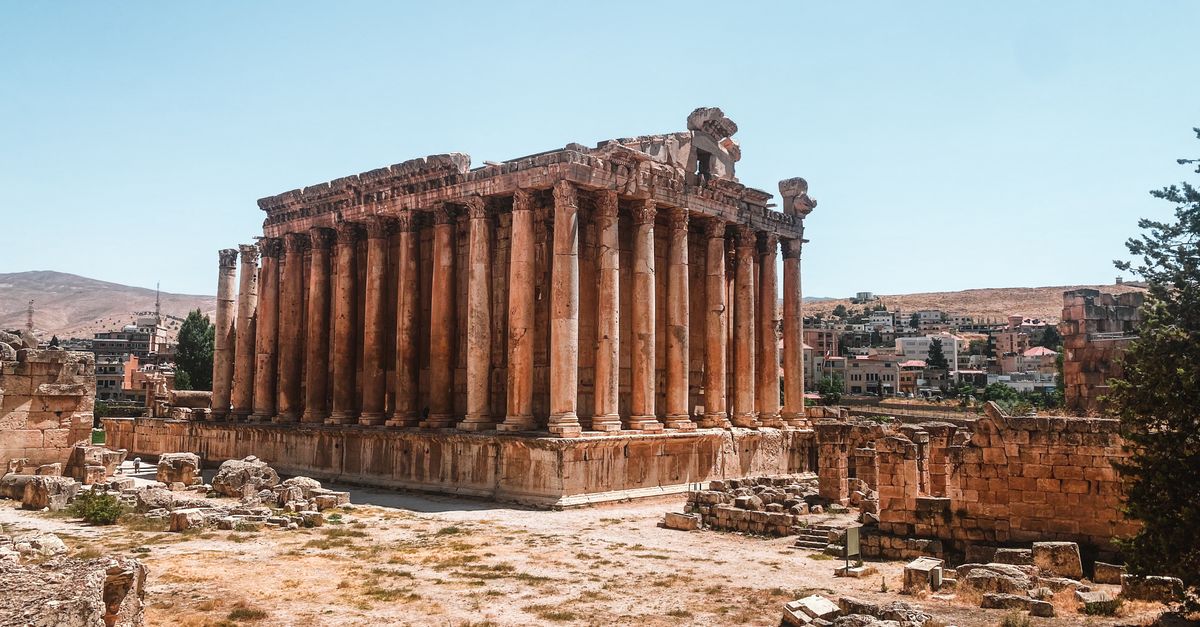 This photo was taken by Alexander Popovkin on Pexels.