Cultural Etiquette: Do's and Don'ts When Visiting Thailand
 This photo was taken by Kirandeep Singh Walia on Pexels.
Respecting the Royal Family and Buddhism
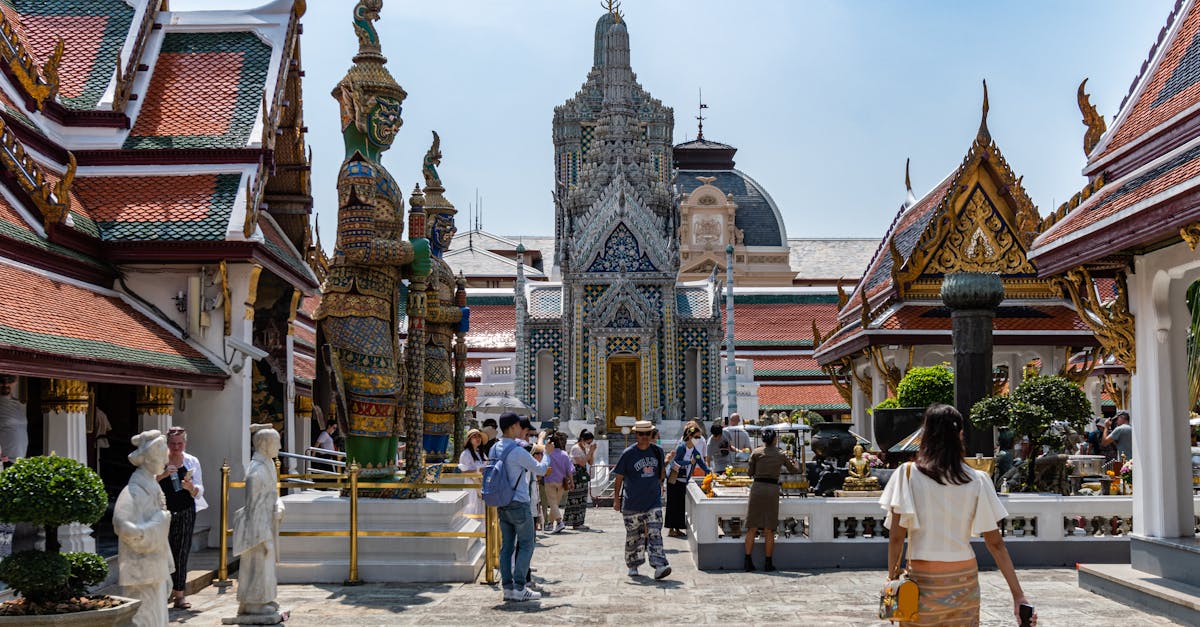
In Thailand, the monarchy and Buddhism are deeply intertwined pillars of national identity, and showing reverence for both is non-negotiable for visitors. When entering temples or encountering royal imagery, always dress modestly with shoulders and knees covered, remove your shoes before stepping onto sacred floors, and sit with your feet tucked away rather than pointing them toward Buddha statues or monks. It is strictly prohibited to touch a monk if you are a woman, and one should never stand taller than a seated monk or place items on top of a person's head, which is considered the most sacred part of the body. Furthermore, any display of disrespect toward images of the King, Queen, or Royal Family can lead to severe legal consequences under Thailand's lèse-majesté laws, so please ensure you treat all royal portraits and symbols with the utmost dignity and silence.
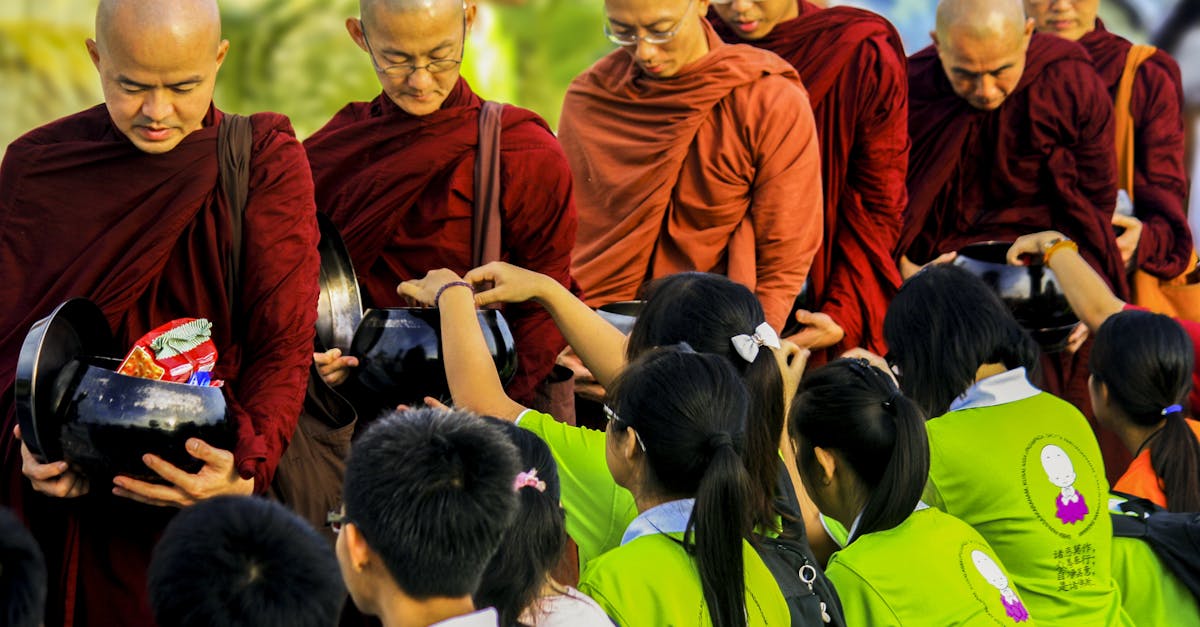
Beyond physical actions, the attitude you bring into these spaces matters just as much; maintaining a calm demeanor and speaking softly is essential when visiting wats (temples) or participating in religious ceremonies. If you see a monk walking or performing rituals, step aside respectfully and do not block their path, while also avoiding loud laughter or casual conversation near altars. Tourists are often invited to make merit by offering food to monks in the morning alms round, but this must be done with genuine humility and without direct physical contact. By observing these customs with sincerity, you not only avoid causing offense but also deepen your appreciation for the spiritual heart of Bangkok, transforming a simple sightseeing trip into a culturally immersive experience that honors the traditions cherished by millions of locals.
 This photo was taken by Pixabay on Pexels.
The Art of Politeness: The Wai and Body Language
Welcome to the Kingdom of Smiles, where your journey truly begins with a graceful wai, the traditional Thai greeting that transcends simple hello or goodbye. As you navigate the bustling streets of Bangkok, remember that this gesture involves pressing your palms together in a prayer-like position while bowing slightly; the height of your hands and the depth of your bow indicate the level of respect based on the other person's age or status. Whether you are meeting a monk, an elder, or a hotel staff member, mastering the art of the wai is not just a polite formality but a heartfelt expression of humility and appreciation that will instantly endear you to locals and open doors throughout your stay.
Beyond the hands, your body language speaks volumes about your cultural awareness in Thailand, particularly regarding the head and feet, which hold deep spiritual significance. Always treat the head as the most sacred part of the body—never touch anyone's head, even affectionately—and keep your feet low and pointed away from people or Buddha images, as they are considered the dirtiest part of the body. When entering homes or temples, ensure you remove your shoes before stepping onto raised floors, and avoid pointing your feet at others while sitting. By observing these subtle yet crucial non-verbal cues, you demonstrate a profound respect for Thai traditions, ensuring your visit is met with warmth and hospitality.
 This photo was taken by Erik Mclean on Pexels.
Dining Etiquette and Temple Conduct
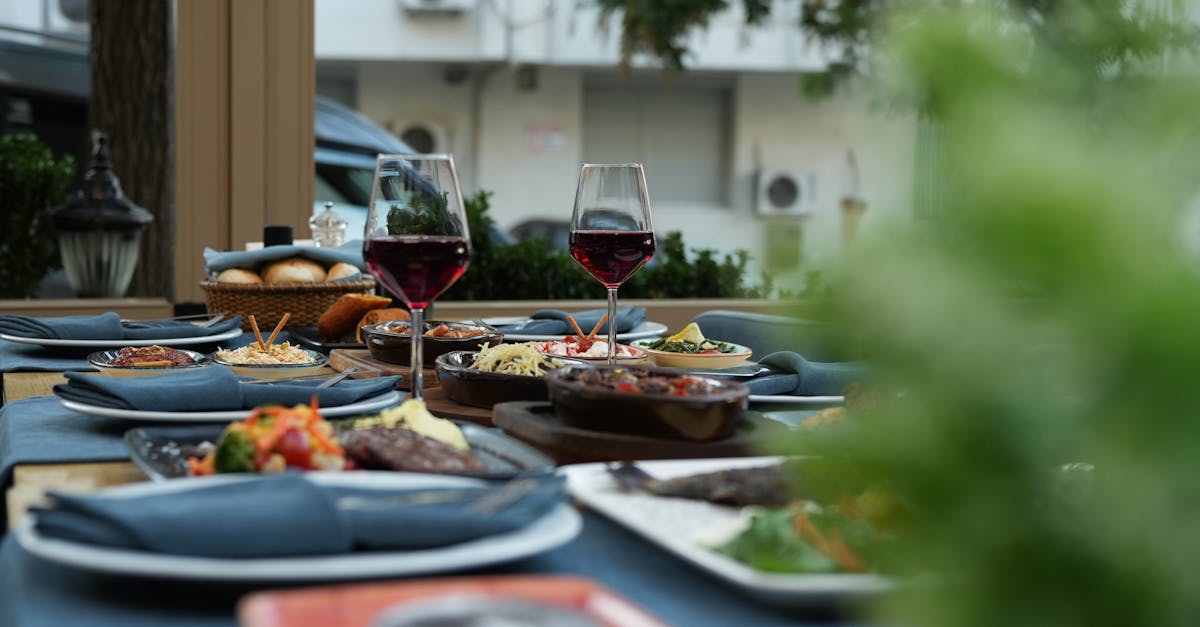
When exploring Bangkok's vibrant culinary scene, remember that dining etiquette is rooted in respect and modesty. Always wait for the eldest person at the table to start eating before you begin, and use a spoon as your primary utensil, holding a fork only to push food onto it; chopsticks are generally reserved for noodle dishes or Chinese-style meals. It is considered impolite to leave food on your plate, as this suggests you were not satisfied with the meal, yet be sure not to finish every grain if you are truly full, as this might prompt hosts to serve more. Additionally, never point your feet toward others while seated at a low table and avoid passing food directly from one pair of chopsticks to another, a gesture associated with funeral rites.
Entering a temple, known locally as a wat, requires immediate transformation into a state of reverence and quiet dignity. Before stepping inside any sacred hall, you must remove your shoes and socks, placing them neatly aside without blocking walkways. Dress codes are strictly enforced: shoulders and knees must be covered for both men and women, and tight or revealing clothing is frowned upon. Once inside, maintain a hushed tone, keep your voice low, and always sit with your legs tucked underneath you rather than stretched out, ensuring your feet do not point toward the Buddha image. Never touch a monk if you are female, as physical contact is prohibited by religious law, and when photographing, always ask for permission first and never turn your back to the main altar while taking pictures.
 This photo was taken by Busenur Demirkan on Pexels.