Cultural Etiquette 101: What Every Tourist Should Know Before Visiting Thailand
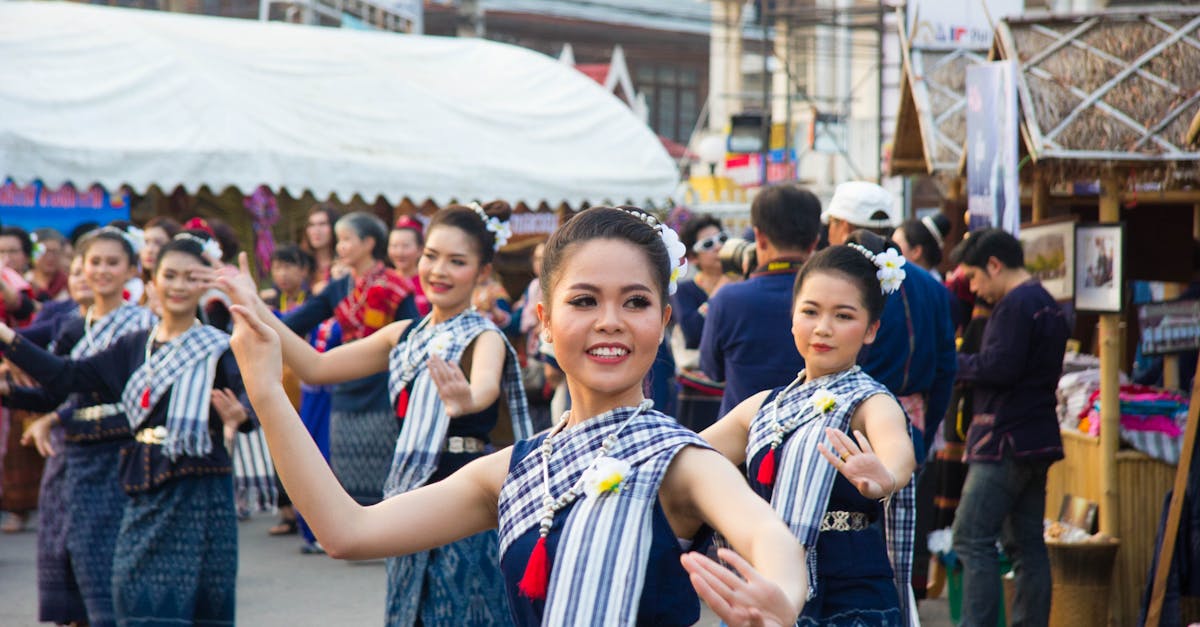 This photo was taken by Suraphat Nuea-on on Pexels.
Welcome to the Land of Smiles! As your local guide, I am thrilled to help you navigate the vibrant streets of Bangkok and beyond. Thailand is a nation where deep-rooted traditions blend seamlessly with modern life, creating an experience that is as warm as it is fascinating. However, understanding the subtle nuances of Thai culture can transform a good trip into an unforgettable one. In this post, we will explore essential cultural etiquette, from the sacred significance of your head and feet to the profound respect shown toward the monarchy and Buddhism, and finally, how to dine like a true local. By arming yourself with this knowledge, you will not only avoid unintentional faux pas but also earn the genuine smiles and hospitality that make Thailand so special.
The Sacred Head and Feet: Understanding Body Language
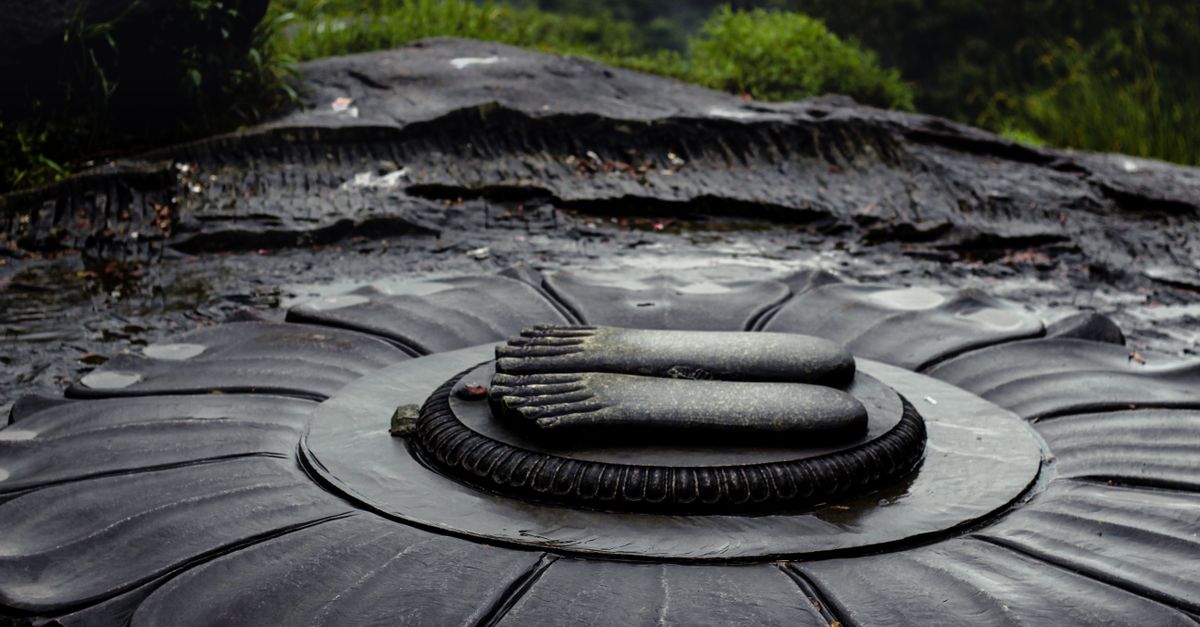
In Thai culture, the head is revered as the most sacred part of the body, believed to be the seat of the soul and intelligence, while the feet are considered the lowest and dirtiest. As a visitor, it is crucial to avoid touching anyone's head, even children, as this is seen as a severe insult that diminishes their spirit. Conversely, never point your feet at people or sacred objects; when sitting on the floor in temples or homes, tuck your legs underneath you so your soles do not face others, and ensure you do not rest your feet on tables or shrines, which shows profound disrespect.
This distinction extends to how you move through crowded spaces and interact with monks; if you must step over someone, apologize softly for the intrusion, and always offer items with your right hand or both hands rather than your left. By mastering these subtle yet vital cues regarding the body's hierarchy, you demonstrate deep respect for Thai traditions, allowing you to navigate social situations with grace and ensuring that your journey through Bangkok remains harmonious and memorable.
 This photo was taken by Ink Spreader on Pexels.
Respect for the Monarchy and Religion in Daily Life
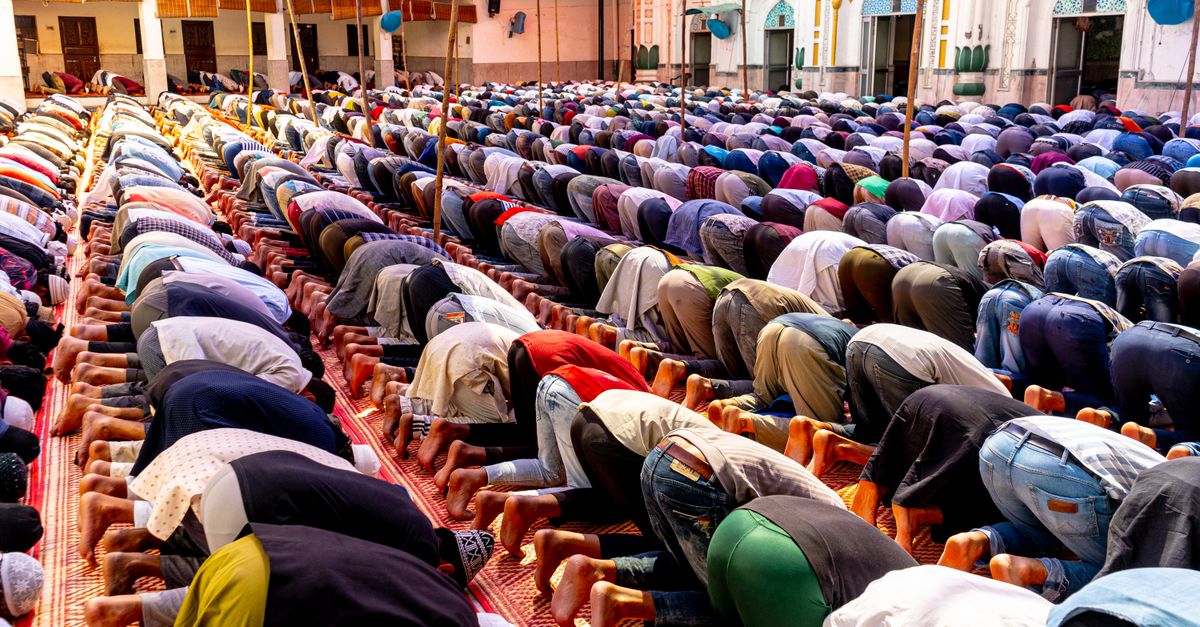
In Thailand, the monarchy and Buddhism are deeply intertwined with the national identity, and showing respect for these institutions is not just a suggestion but a legal and social obligation. When visiting temples or encountering royal imagery, such as portraits in public buildings, always stand when they are played on television or radio, and dress modestly by covering your shoulders and knees. It is crucial to avoid any form of disrespectful conversation or behavior regarding the King and the Royal Family; even casual jokes can be considered highly offensive and may lead to serious legal consequences under the lèse-majesté laws. As you navigate the streets, remember that your actions reflect not only on yourself but also on your country, so maintaining a dignified demeanor helps foster mutual understanding and appreciation.
Religious etiquette extends beyond temple visits into daily interactions, where the concept of "sanuk" (fun) is balanced with "kreng jai" (consideration for others). When entering a home or a shrine, always remove your shoes and sit with your feet tucked away from pointing at Buddha images or other people, as feet are considered the lowest and dirtiest part of the body. If you see a monk walking by, women should never touch them directly or hand objects to them; instead, place items on a cloth for the monk to pick up. By observing these subtle yet significant customs, you demonstrate a genuine respect for Thai culture, allowing you to experience the warmth and hospitality of Bangkok while ensuring your journey remains smooth and respectful.
 This photo was taken by Mohit Sharma on Pexels.
Dining Etiquette: How to Eat Like a Local
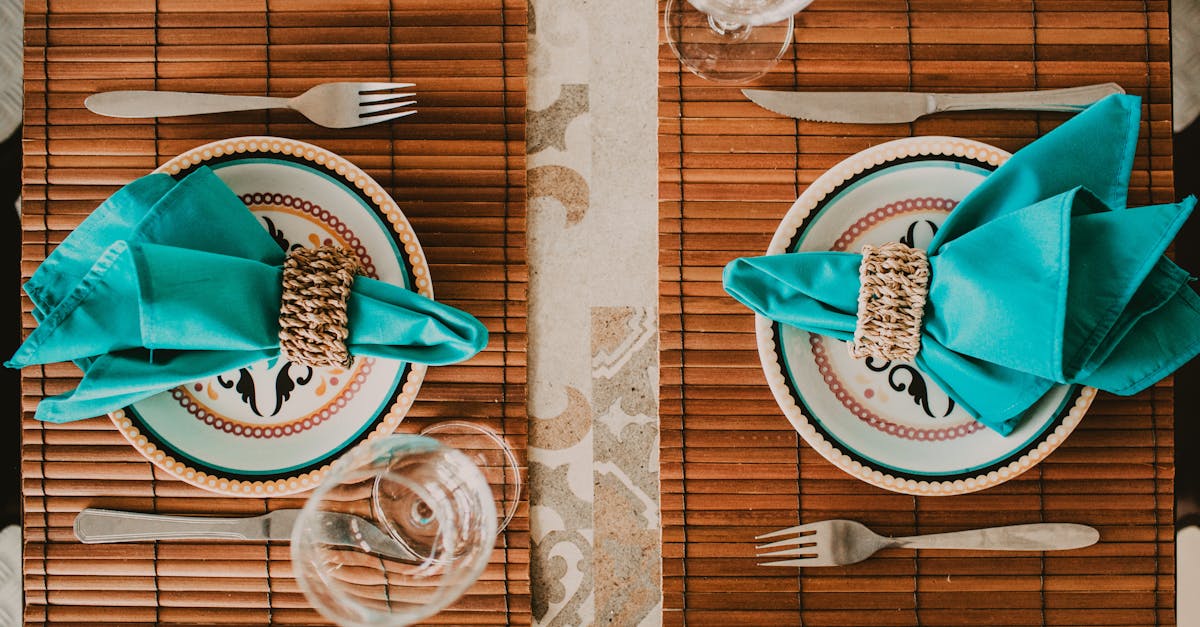
In Bangkok, dining is a communal and social affair where the spoon and fork are your primary utensils, with the spoon held in the right hand to push food onto it after using the fork to cut or scoop. Unlike Western styles where the knife plays a major role, Thai cuisine is typically pre-cut into bite-sized pieces by the chef, so you should never use a knife at the table; instead, gently press your food against the side of your bowl or plate to gather it on the spoon. It is also customary to share dishes family-style, placing them in the center for everyone to enjoy, and while leaving a small amount of food on your plate is polite to show you are full, finishing everything can sometimes imply you are still hungry.
When interacting with the staff or waiting for service, maintain a calm demeanor as shouting or aggressive gestures are considered highly disrespectful in Thai culture. If you need to get the waiter's attention, a subtle wave with an open palm is appropriate, but avoid snapping fingers or pointing with your index finger, which can be seen as rude. Furthermore, remember that the head is considered sacred and the feet are the lowest part of the body; never touch someone's head with your hand, and do not point your feet at people or religious objects while sitting on the floor or even at a low dining table. Finally, if you are eating with locals, wait until they have started their meal before you begin, showing respect for the elders and the group dynamic.
 This photo was taken by Jonathan Borba on Pexels.