Cultural Etiquette 101: Respecting Thai Customs While Traveling
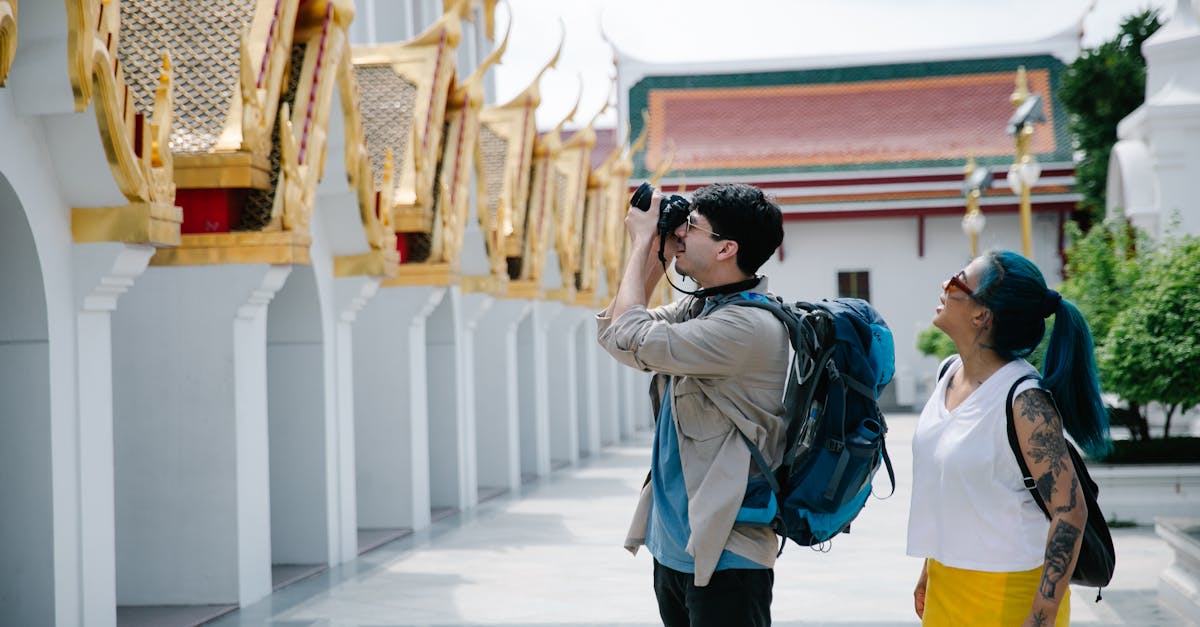 This photo was taken by George Pak on Pexels.
The Sacred Head and Revered Feet: Understanding Body Language
 This photo was taken by Erik Mclean on Pexels.
Dressing with Dignity: Temple Attire and Public Modesty
When visiting Thailand's sacred temples, known as wats, dressing with dignity is not merely a suggestion but a fundamental sign of respect for the spiritual sanctity of these spaces. As you explore iconic sites like the Grand Palace or Wat Arun, remember that shoulders and knees must always be covered; this means avoiding tank tops, short shorts, or skirts above the knee. While many temples offer sarongs or shawls for rent at their entrances, arriving prepared with your own modest attire ensures a seamless experience and allows you to focus entirely on the breathtaking architecture and serene atmosphere rather than worrying about entry restrictions.This principle of public modesty extends beyond temple grounds into everyday interactions throughout Bangkok, reflecting the Thai cultural value of maintaining harmony and showing consideration for others. In more conservative areas or when entering government buildings and royal palaces, loose-fitting clothing that covers the body appropriately is expected, signaling your awareness of local norms. By adopting this mindful approach to dress, you demonstrate a genuine appreciation for Thai traditions, fostering positive connections with locals who will warmly welcome your respectful presence in their beautiful city. This photo was taken by cottonbro studio on Pexels.
The Art of 'Sanuk' and 'Kreng Jai': Navigating Social Harmony
At the heart of Thai social interaction lies the concept of 'Sanuk', a philosophy that life is meant to be enjoyed and that even mundane tasks or difficult situations should be approached with a sense of fun and lightheartedness. As a visitor, embracing this spirit can transform your travel experience from a checklist of sights into a series of genuine connections; whether you are haggling playfully in Chatuchak Market or sharing a laugh over street food, showing that you value joy creates an immediate warmth between locals and tourists alike. This approach encourages Thais to open up, making them more eager to share their culture, stories, and hidden gems, turning every encounter into a memorable adventure rather than a transactional exchange.
Complementing this joyous outlook is 'Kreng Jai', a profound sense of consideration and deference that guides how Thais navigate relationships to avoid causing discomfort or trouble to others. For travelers, understanding 'Kreng Jai' is essential for maintaining harmony, as it means being mindful of your actions so you do not impose on the time, energy, or feelings of those around you, such as by speaking too loudly in temples or refusing help when you might burden someone. By practicing this subtle form of respect—smiling gently, accepting offers graciously, and prioritizing group comfort over individual assertiveness—you align yourself with the local rhythm of society, ensuring your presence is welcomed and appreciated as a respectful guest who truly understands the Thai way of living.
This photo was taken by Erik Mclean on Pexels.