Culinary Adventures: Taking a Thai Cooking Class in Bangkok
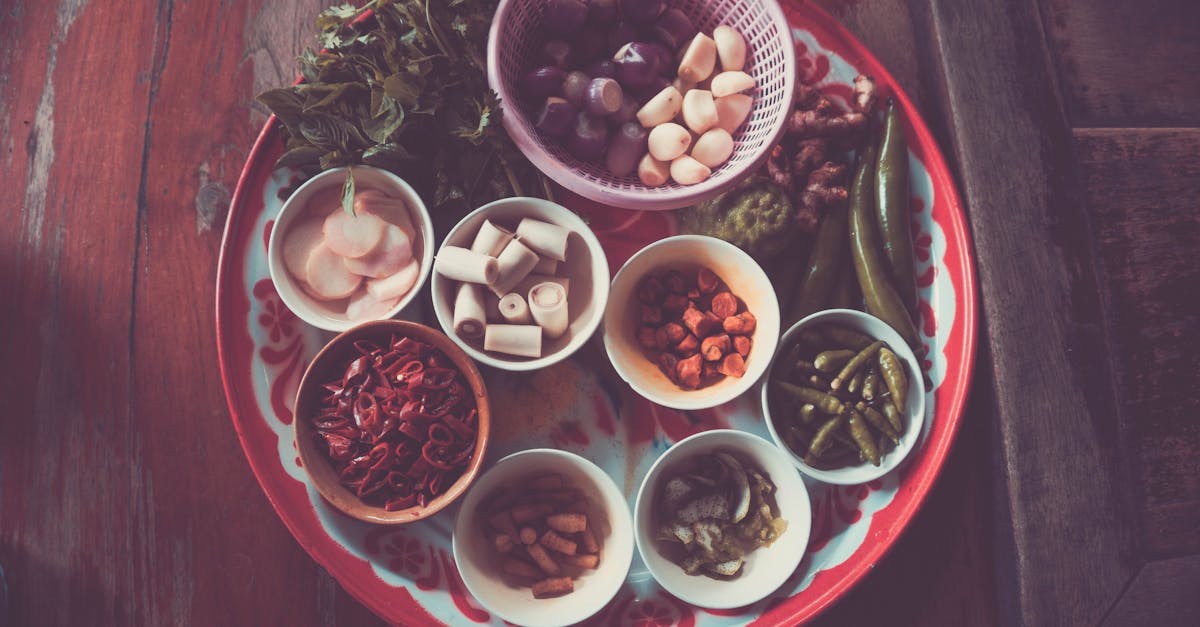 This photo was taken by Narmin Dhanani Ghazali on Pexels.
From Market to Kitchen: Sourcing Fresh Ingredients
Your culinary journey truly begins before you ever step into the kitchen, often with an early morning excursion to a vibrant local market like Or Tor Kor or the bustling Talat Phlu. Here, amidst a symphony of sights and sounds, you will learn to distinguish between fresh Thai basil varieties, identify the perfect ripeness of green mangoes, and select the finest lemongrass stalks that burst with citrusy aroma. Guided by your instructor, you'll navigate through stalls overflowing with exotic fruits, pungent herbs, and colorful spices, gaining the insider knowledge necessary to source ingredients that define authentic Thai flavors while engaging with friendly vendors who share stories of their produce.
Once your basket is filled with these pristine treasures, the experience seamlessly transitions from the chaotic energy of the market to the serene preparation area of your cooking school. This immediate transfer ensures maximum freshness as you wash, chop, and grind the very items you just purchased, transforming raw materials into the complex foundations of dishes like Tom Yum Goong or Green Curry. By sourcing your own ingredients, you develop a deeper appreciation for the seasonality and quality that drive Thai cuisine, turning a simple lesson in knife skills and spice blending into a memorable narrative about the connection between Bangkok's streets and its world-renowned table.
 This photo was taken by Nomad Photographer on Pexels.
Mastering the Art of Thai Flavors: Spices and Sauces
Stepping into a bustling Bangkok kitchen is like entering a vibrant laboratory where the alchemy of Thai cuisine begins with its foundational spices and aromatics. Here, you will learn to master the delicate balance of fresh galangal, lemongrass, kaffir lime leaves, and fiery bird's eye chilies, which form the aromatic soul of every dish. Unlike many Western cuisines that rely on dried herbs, Thai cooking celebrates the pungent freshness of these ingredients, requiring you to pound them into a fragrant paste using a traditional mortar and pestle. This tactile process releases essential oils that transform simple vegetables into complex flavor profiles, teaching you that true mastery lies in understanding how each spice interacts to create harmony rather than just heat.
Equally crucial to this culinary journey is decoding the symphony of sauces that define Thailand's regional diversity. You will discover how fish sauce provides a deep umami backbone while palm sugar offers a caramel-like sweetness to counterbalance the sharp acidity of tamarind and the heat of chili. From the rich, coconut-laden curries of the south to the sour, herbal soups of the north, learning to adjust these liquid elements is the key to replicating authentic tastes at home. By the end of your class, you won't just be following recipes; you will have developed an intuitive sense for adjusting saltiness, sweetness, sourness, and spiciness, allowing you to craft dishes that truly capture the dynamic spirit of Bangkok's street food culture.
 This photo was taken by Erik Mclean on Pexels.
Dining on Your Creations: A Feast of Local Delights
After mastering the delicate balance of sweet, sour, salty, and spicy under the watchful eye of a local chef, the true joy of your Bangkok culinary adventure begins as you sit down to savor the dishes you have crafted. Imagine the aroma of fresh lemongrass and galangal lingering in the air as you bite into a perfectly balanced pad thai or dip crispy spring rolls into your own homemade chili sauce. These moments transform from mere instruction to personal triumph, allowing you to taste the authentic flavors of Thailand that you spent hours preparing with your own hands. The communal atmosphere of sharing these creations with fellow travelers creates an instant bond, turning a simple meal into a memorable celebration of cultural exchange and shared accomplishment.
The experience extends far beyond the classroom walls, as the skills you gain empower you to recreate these local delights in your own kitchen back home. Many classes conclude with a visit to a bustling market nearby, where you can identify the specific ingredients used in your feast, such as fragrant jasmine rice, kaffir lime leaves, or the fiery heat of bird's eye chilies. This deep dive into the sourcing of food ensures that when you return to your hotel or apartment, you are not just cooking a recipe, but carrying forward a piece of Bangkok's vibrant street food culture. Your culinary journey has evolved from observation to participation, leaving you with a pantry full of new knowledge and a heart full of flavor.
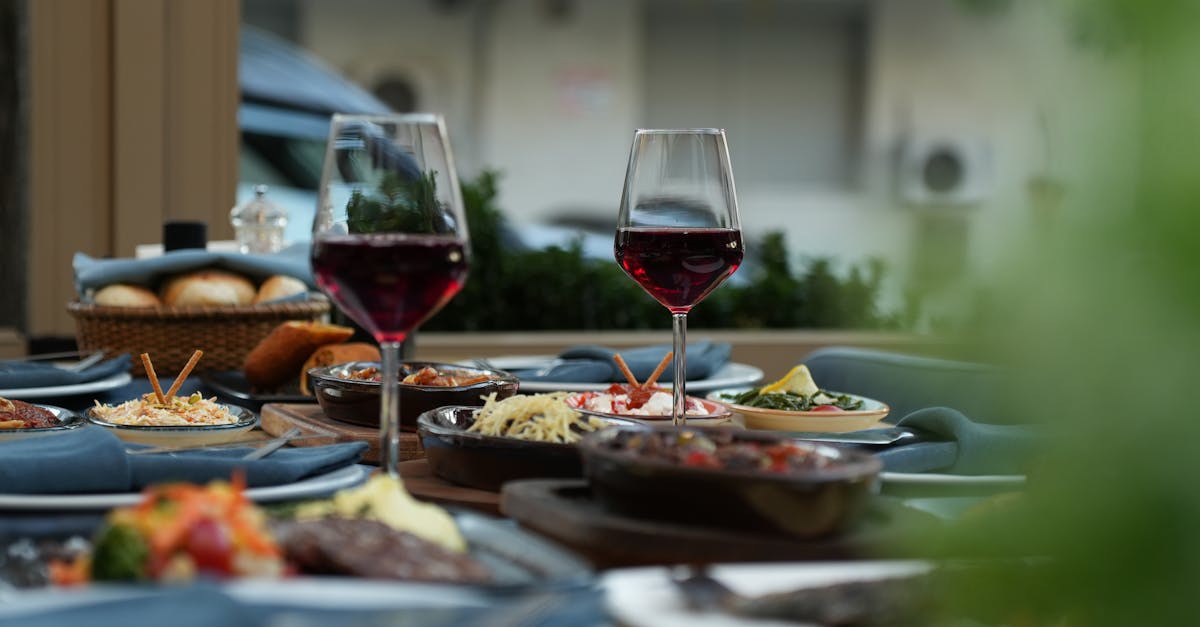 This photo was taken by Busenur Demirkan on Pexels.