Best Times to Visit Bangkok: Weather, Festivals, and Crowds
 This photo was taken by Picas Joe on Pexels.
Navigating Bangkok's Scorching Heat and Monsoon Rains
Visiting Bangkok requires a strategic approach to its tropical climate, where the scorching heat of the dry season can feel like walking through an oven from April to June. During these months, temperatures frequently soar above 35°C (95°F) with high humidity, making midday sightseeing at outdoor attractions like the Grand Palace or Wat Arun quite exhausting. To make the most of your trip, plan your major temple visits and street food tours for early mornings before 10 AM or late afternoons when the sun begins to dip, ensuring you stay hydrated and seek refuge in air-conditioned malls or river cruises during the peak afternoon hours.
From May to October, the city transforms under the influence of the monsoon rains, which bring relief from the heat but also unpredictable downpours that can disrupt travel plans. While heavy showers often last only an hour or two, they can cause sudden traffic jams and turn streets into temporary rivers, so carrying a compact umbrella or a lightweight raincoat is essential for any explorer. Paradoxically, this rainy season offers some of the best value for travelers, as crowds thin out significantly, accommodation rates drop, and the lush greenery surrounding the city's temples becomes vibrant and photogenic, creating a unique atmosphere if you embrace the weather rather than fight it.
 This photo was taken by Riaan Beylefeld on Pexels.
Immersing Yourself in the City's Vibrant Festivals
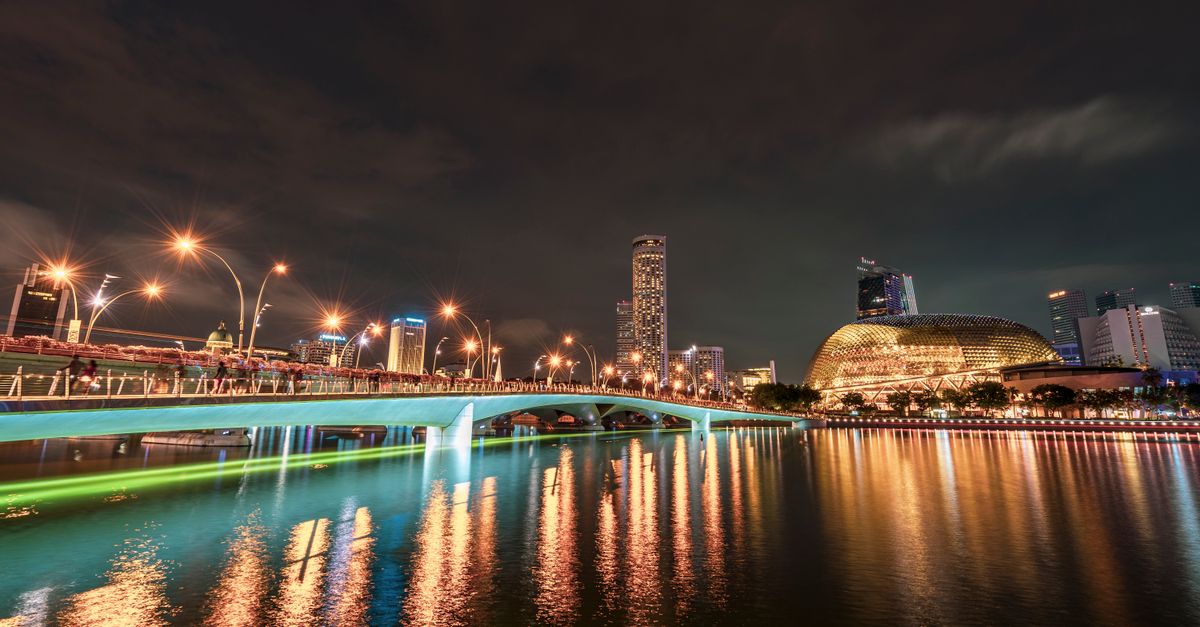
Bangkok truly comes alive during its kaleidoscope of festivals, offering visitors an unforgettable immersion into Thai culture and spirituality. The most spectacular of these is Songkran, the Thai New Year in mid-April, when the entire city transforms into a joyous water fight that cools you down while celebrating the cleansing of the past year. For those who prefer a more serene yet visually stunning experience, Loy Krathong in November invites you to float fragrant krathongs on the Chao Phraya River, watching thousands of lanterns illuminate the night sky alongside traditional dance performances and street food stalls that line the riverbanks.
Participating in these events provides a unique window into the heart of Bangkok, where ancient traditions blend seamlessly with modern urban energy. During the Vegetarian Festival in October, the streets of Chinatown erupt in vibrant processions featuring firewalkers and elaborate costumes, creating an electric atmosphere that is both thrilling and deeply spiritual. Whether you are joining the chaotic fun of the water splashes or quietly making a wish as your krathong drifts away, these festivals offer a chance to connect with locals and witness the country's rich heritage firsthand, making your visit far more than just a sightseeing tour.
 This photo was taken by Cyrill on Pexels.
Avoiding the Crowds: Finding Your Quiet Moments
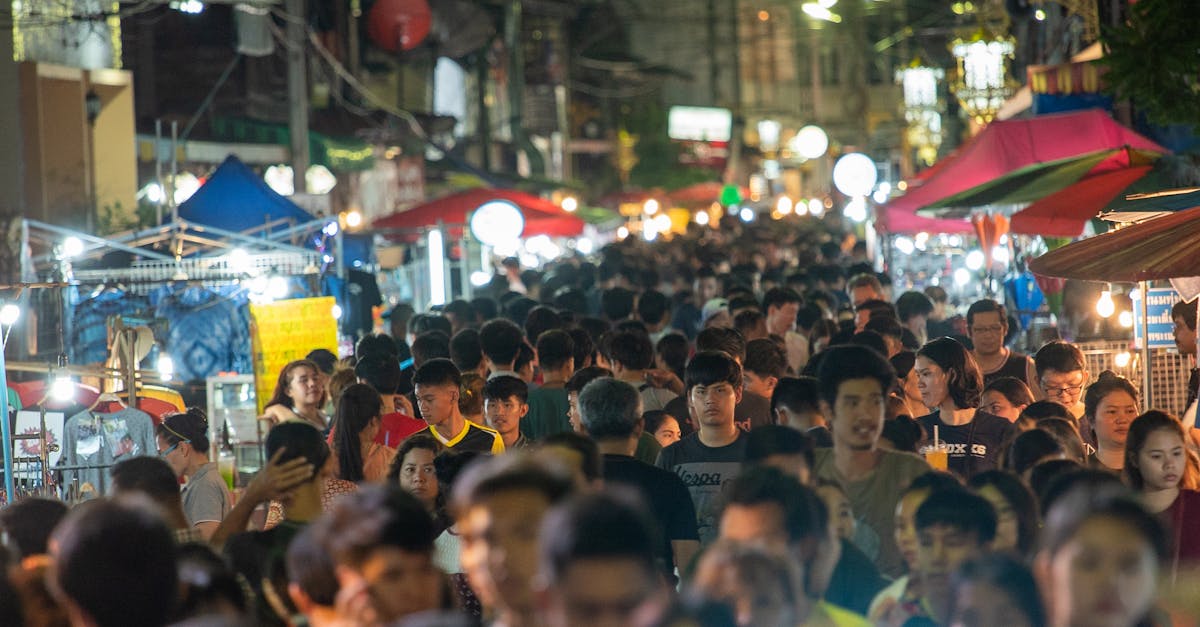
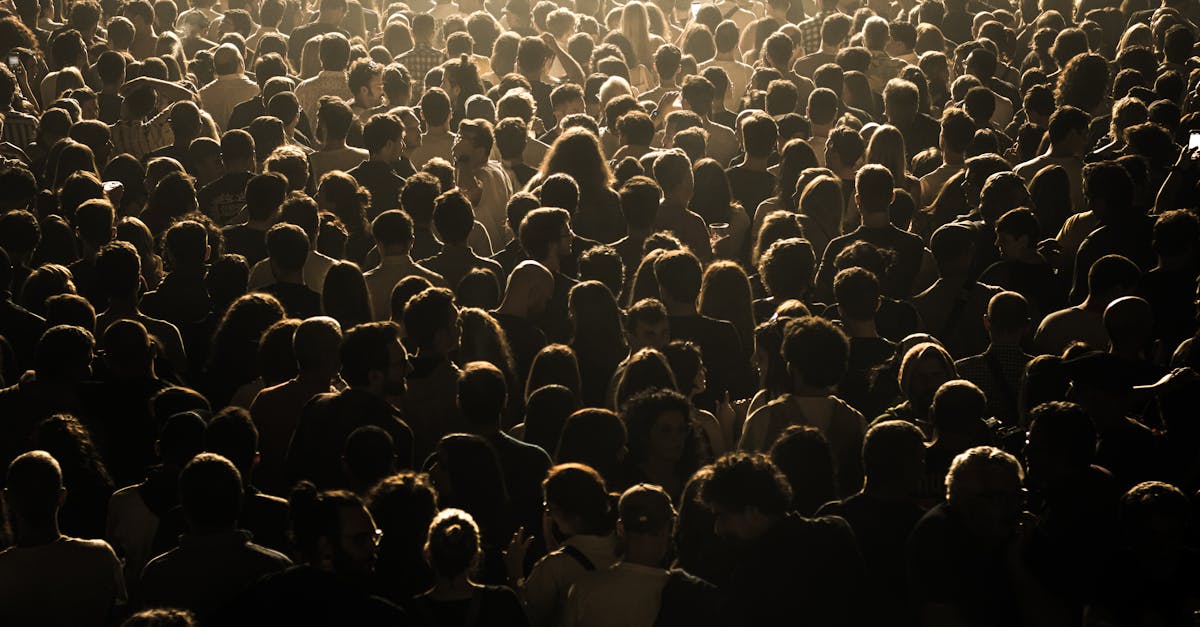
While Bangkok is renowned for its vibrant energy, the sheer volume of tourists can sometimes overshadow the city's serene side, making timing crucial for those seeking tranquility. The most effective strategy to avoid the crushing crowds at major attractions like the Grand Palace or Wat Arun is to visit during the shoulder seasons, specifically from late October to early November or February to March, when the weather remains pleasant but the peak holiday rush has subsided. Even within these months, a simple shift in schedule can make a world of difference; arriving at popular sites right at opening time, typically 8:30 AM, allows you to explore before the tour buses arrive and the midday heat intensifies. Alternatively, consider exploring lesser-known temples in neighborhoods like Thonburi or taking a quiet boat ride along the Khlongs after dark, where the city transforms into a peaceful, illuminated labyrinth away from the chaotic main streets.
For those who find themselves visiting during the high season or major festivals like Songkran, finding your quiet moments requires a bit of local insight and a willingness to venture off the beaten path. Instead of fighting the throngs on Sukhumvit Road, retreat to the lush greenery of Lumpini Park early in the morning or seek refuge in the hidden courtyards of traditional Thai teahouses in Chinatown, which often offer a respite from the sensory overload. Many travelers also discover that dining experiences are best enjoyed in the late afternoon or just before sunset, avoiding the dinner rush while enjoying the city's cooling breeze. By prioritizing these quieter hours and locations, you can balance the excitement of Bangkok's famous chaos with the deep, restorative calm that this ancient capital has to offer.
 This photo was taken by Fausto Ferreira on Pexels.