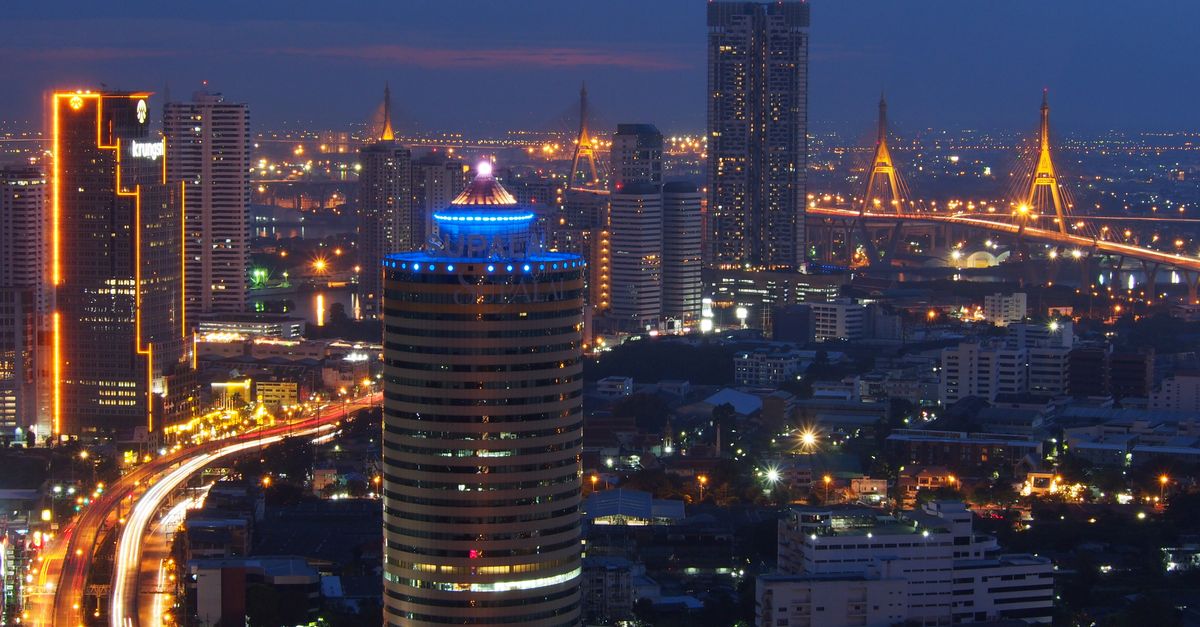
 This photo was taken by Sirikul R on Pexels.
Welcome to the City of Angels, a vibrant metropolis where ancient temples stand beside glittering skyscrapers and the aroma of street food fills the air at every corner. Whether you are dreaming of floating markets, world-class shopping, or a soul-stirring Muay Thai match, Bangkok welcomes you year-round. However, to truly experience the magic of this incredible destination, timing is everything. In this guide, we will help you navigate Bangkok's three distinct seasons—from the scorching heat of summer to the refreshing rains of the wet season—so you can plan your trip perfectly. We'll also take you on a journey through the city's most enchanting festivals, from Loy Krathong's floating lanterns to the joyous splash of Songkran, ensuring you catch the cultural heartbeat of Thailand. Plus, with our essential traveler tips tailored for every season, you'll be equipped to handle the weather, crowds, and local customs like a seasoned pro. Let's dive into what makes Bangkok the ultimate tropical getaway!
Navigating Bangkok's Three Distinct Seasons
Bangkok's tropical climate is defined by three distinct seasons that dramatically shape your travel experience, starting with the cool season from November to February. This period offers the most pleasant weather, with daytime temperatures hovering around 30°C (86°F) and cooler evenings, making it ideal for exploring outdoor attractions like the Grand Palace or taking a river cruise along the Chao Phraya. However, this is also the peak tourist season, meaning popular sites can be crowded and accommodation prices are at their highest, so booking in advance is essential to secure the best rates.
In contrast, the hot season stretches from March to June, bringing intense heat and humidity as temperatures frequently soar above 40°C (104°F), which can be challenging for extensive sightseeing without proper hydration and rest breaks. The final chapter of the year is the rainy season, running from July to October, characterized by short but heavy downpours that often clear up quickly, leaving the city lush and green while offering lower hotel rates and fewer crowds. Travelers during these months should embrace the spontaneity of the weather, plan indoor activities like museum visits or spa treatments during afternoon storms, and remember that the rain often brings a unique, vibrant energy to Bangkok's bustling streets.
This
photo was taken by
Atlantic Ambience on Pexels.
Chasing the Magic: Key Festivals and Cultural Events
Bangkok truly comes alive when the city transforms into a vibrant canvas of color, sound, and devotion during its world-renowned festivals. The most spectacular of these is undoubtedly Songkran in mid-April, where the scorching heat gives way to a joyous water battle that washes away bad luck and welcomes the New Year with refreshing splashes on every street corner. For those seeking spiritual serenity amidst the chaos, the Loy Krathong festival in November offers a mesmerizing spectacle as thousands of floating lanterns drift down the Chao Phraya River, casting a golden glow over the skyline while locals make wishes for the year ahead.
Beyond these iconic celebrations, the cultural calendar is dotted with unique events like the Royal Ploughing Ceremony, which marks the start of the rice-growing season, and the bustling Chinese New Year parades that light up Chinatown with dragon dances and firecrackers. Timing your visit to coincide with these festivities provides an immersive glimpse into the soul of Thai culture, far beyond the typical tourist experience. However, be prepared for larger crowds and slightly higher accommodation rates during these peak periods, so booking your hotels and transport well in advance is essential to secure your spot in this magical celebration of life and tradition.
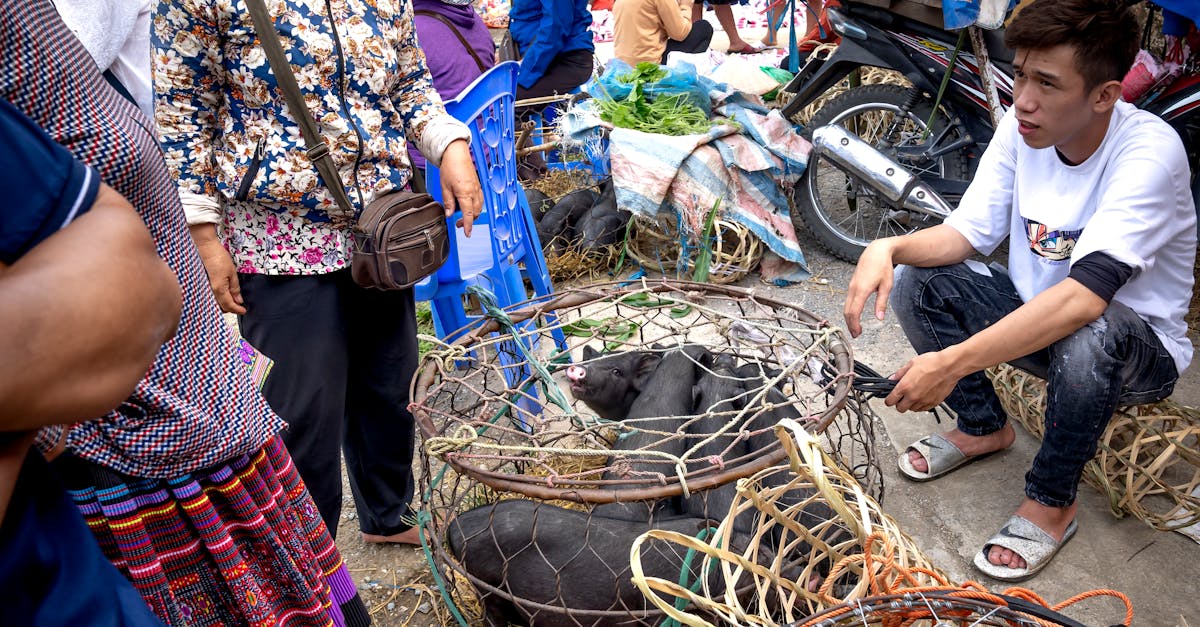
This
photo was taken by
Quang Nguyen Vinh on Pexels.
Essential Traveler Tips for Every Season
Understanding Bangkok's tropical climate is key to planning your trip, as the city experiences three distinct seasons that each offer a unique travel experience. During the cool season from November to February, you will enjoy pleasant temperatures perfect for exploring open-air markets and temple complexes without breaking a sweat; however, this is also peak tourist time, so booking accommodations well in advance is crucial. In contrast, the hot season from March to May brings scorching heat and high humidity, making it ideal for indoor activities like visiting world-class shopping malls or enjoying rooftop bars with a view of the skyline, while the rainy season from June to October offers lush greenery and fewer crowds, though you should always carry a compact umbrella and plan for potential afternoon downpours.
Beyond weather patterns, timing your visit around major Thai festivals can transform an ordinary trip into a culturally immersive adventure. If you visit in mid-April, you will witness Songkran, the famous water festival where locals and tourists alike celebrate the New Year with joyous water fights that cool you down amidst the rising heat. Alternatively, arriving in November allows you to experience Loy Krathong, where thousands of lanterns float on the Chao Phraya River, creating a magical atmosphere that is best viewed from the riverfront or a traditional long-tail boat tour. Regardless of when you travel, remember to dress modestly when entering religious sites by covering your shoulders and knees, and stay hydrated by carrying a reusable water bottle to combat the tropical humidity year-round.

This
photo was taken by
Ylanite Koppens on Pexels.