Best Time to Visit Bangkok: Weather, Festivals, and Crowds
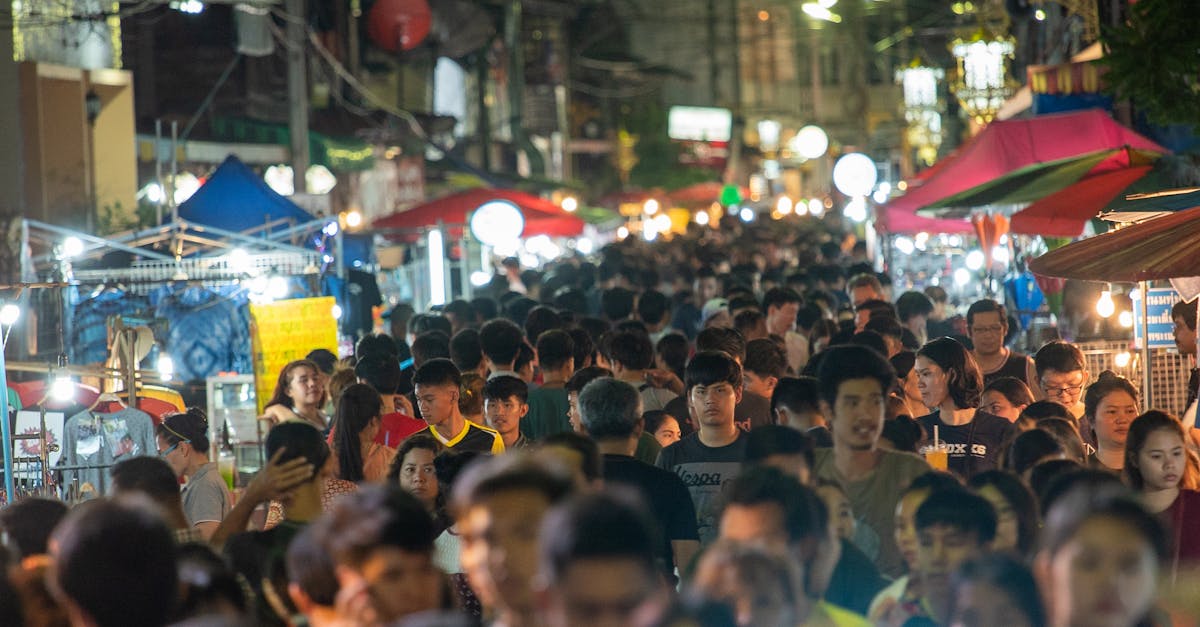 This photo was taken by Picas Joe on Pexels.
Welcome to the City of Angels, where the scent of street food mingles with the humidity of the Chao Phraya River and ancient temples stand tall against a modern skyline. Whether you are dreaming of floating markets, vibrant nightlife, or serene temple visits, timing your trip is the secret to unlocking Bangkok's true magic. In this guide, we will help you navigate the city's three distinct seasons, immerse yourself in its dazzling array of local festivals, and provide essential tips for avoiding the crowds so you can experience the capital like a seasoned local. Get ready to plan your perfect getaway to one of the world's most captivating destinations!
This photo was taken by Picas Joe on Pexels.
Welcome to the City of Angels, where the scent of street food mingles with the humidity of the Chao Phraya River and ancient temples stand tall against a modern skyline. Whether you are dreaming of floating markets, vibrant nightlife, or serene temple visits, timing your trip is the secret to unlocking Bangkok's true magic. In this guide, we will help you navigate the city's three distinct seasons, immerse yourself in its dazzling array of local festivals, and provide essential tips for avoiding the crowds so you can experience the capital like a seasoned local. Get ready to plan your perfect getaway to one of the world's most captivating destinations!
Navigating Bangkok's Three Distinct Seasons
Understanding Bangkok's tropical monsoon climate is essential for planning your itinerary, as the city operates on a rhythm of three distinct seasons rather than the traditional four. The cool season, stretching from November to February, offers the most pleasant weather with temperatures hovering around 25°C (77°F) and low humidity, making it the ideal time for exploring open-air markets, temple complexes, and rooftop bars without breaking a sweat. During this period, you will also find the city at its most vibrant, coinciding with major cultural celebrations like Loy Krathong and Chinese New Year, though it is crucial to book accommodations well in advance as this peak tourist window attracts crowds from around the globe.
As the calendar turns to March, the heat begins to rise sharply, ushering in the hot season that lasts until May, where daytime temperatures frequently soar above 35°C (95°F). This is the perfect time to embrace indoor attractions such as the Siam Paragon mall, world-class museums, or the serene Grand Palace early in the morning before the sun becomes oppressive. Following this intense warmth comes the rainy season from June to October, characterized by short but heavy afternoon downpours; while these showers can disrupt outdoor plans, they often leave the city lush and green, and if you are flexible enough to plan activities around the rain, you will encounter significantly fewer tourists and enjoy more affordable rates on hotels and tours.
 This photo was taken by Atlantic Ambience on Pexels.
Immersing Yourself in Local Festivals and Traditions
Bangkok truly comes alive when you align your visit with the city's vibrant cultural calendar, transforming a standard trip into an unforgettable sensory journey. Imagine walking through the streets during Songkran in April, where the air is filled with laughter and water as locals and tourists alike celebrate the Thai New Year with joyous water fights that cool you down amidst the heat. Alternatively, visiting during Loy Krathong offers a magical evening where thousands of floating baskets illuminate the Chao Phraya River, creating a shimmering reflection of the moon while monks chant prayers for gratitude. These festivals are not merely spectacles but deep-rooted traditions that invite you to participate, offering a unique window into the spiritual heart and communal spirit of Thai culture.
Beyond the major national holidays, immersing yourself in local temple fairs and regional celebrations allows for a more intimate connection with the community. You might find yourself joining a procession during the Vegetarian Festival, witnessing colorful parades and intricate rituals that showcase the region's diverse religious influences, or simply enjoying the bustling night markets that spring up around temples during full moon nights. By timing your travel to coincide with these events, you move beyond being a passive observer to becoming part of the rhythm of daily life in Bangkok, creating memories that go far beyond the typical tourist attractions and giving you a genuine appreciation for the rich tapestry of Thai heritage.
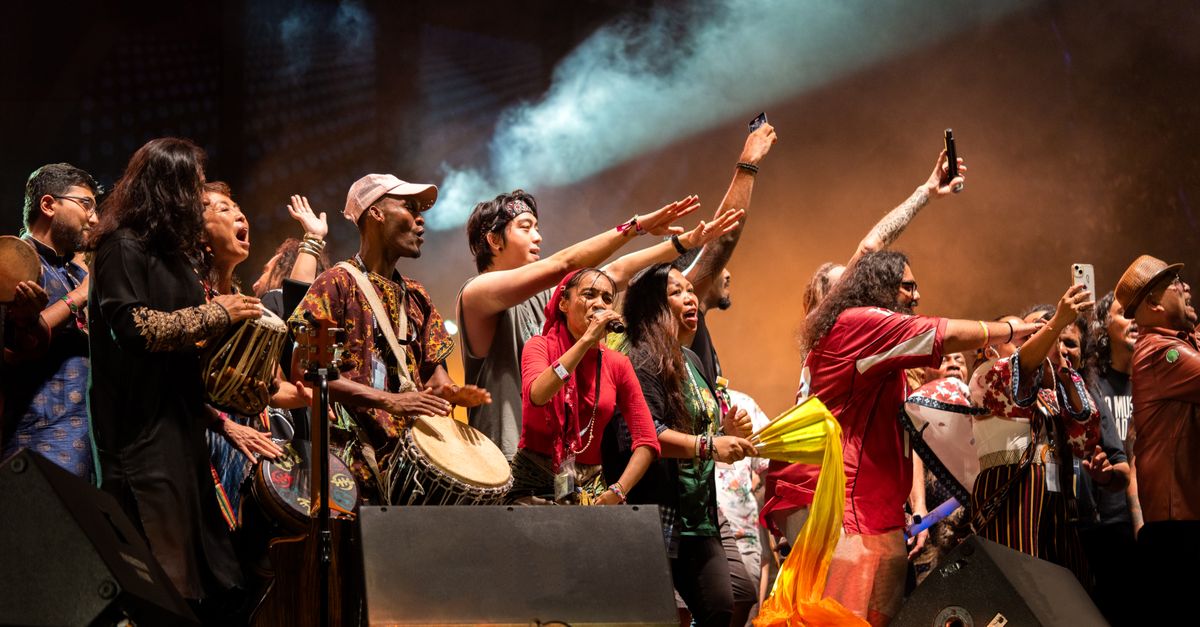 This photo was taken by Asha Hairy on Pexels.
Avoiding the Crowds: Peak vs. Off-Peak Travel Tips
Understanding the rhythm of Bangkok's seasons is key to escaping the throngs of tourists that often clog the streets around the Grand Palace and Chatuchak Market. The peak season, stretching from November to February, offers the most comfortable weather with cool breezes and low humidity, but this draws massive crowds and drives up accommodation prices significantly. If you find yourself traveling during these months, consider waking up before dawn to explore major temples like Wat Arun or taking a long-tail boat through the canals (khlongs) when the tour buses haven't arrived yet; alternatively, venturing into lesser-known neighborhoods like Thonburi or exploring the underground shopping malls can provide a respite from the usual tourist trails.
Conversely, visiting during the off-peak monsoon season from May to October presents a unique opportunity for a more authentic experience, as the city becomes quieter and hotels offer substantial discounts despite the occasional heavy afternoon showers. While the heat and humidity are intense, the rain often cools things down quickly, leaving the city lush and green, perfect for those willing to embrace the local lifestyle indoors at air-conditioned markets or rooftop bars. By timing your visits to coincide with the early mornings or late evenings, you can enjoy iconic spots like Asiatique or Sukhumvit without fighting shoulder-to-shoulder crowds, allowing you to savor the vibrant street food scene and bustling energy of Bangkok at your own pace.
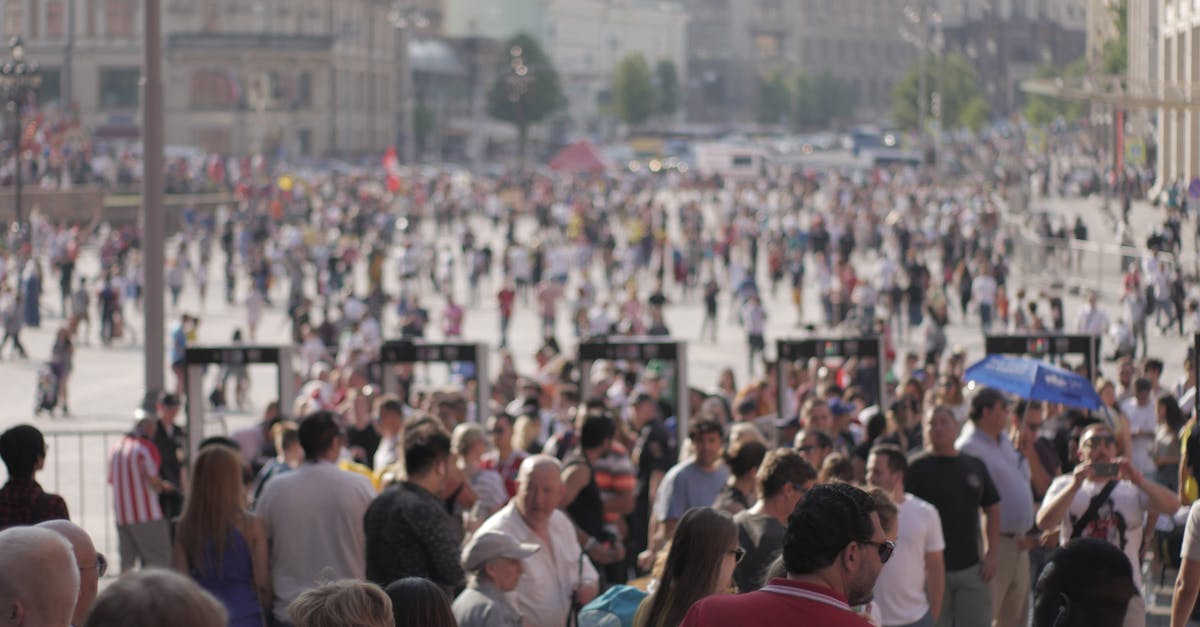 This photo was taken by Kuba Podgórzak on Pexels.