Best Time to Visit Bangkok: Weather, Crowds, and Festivals
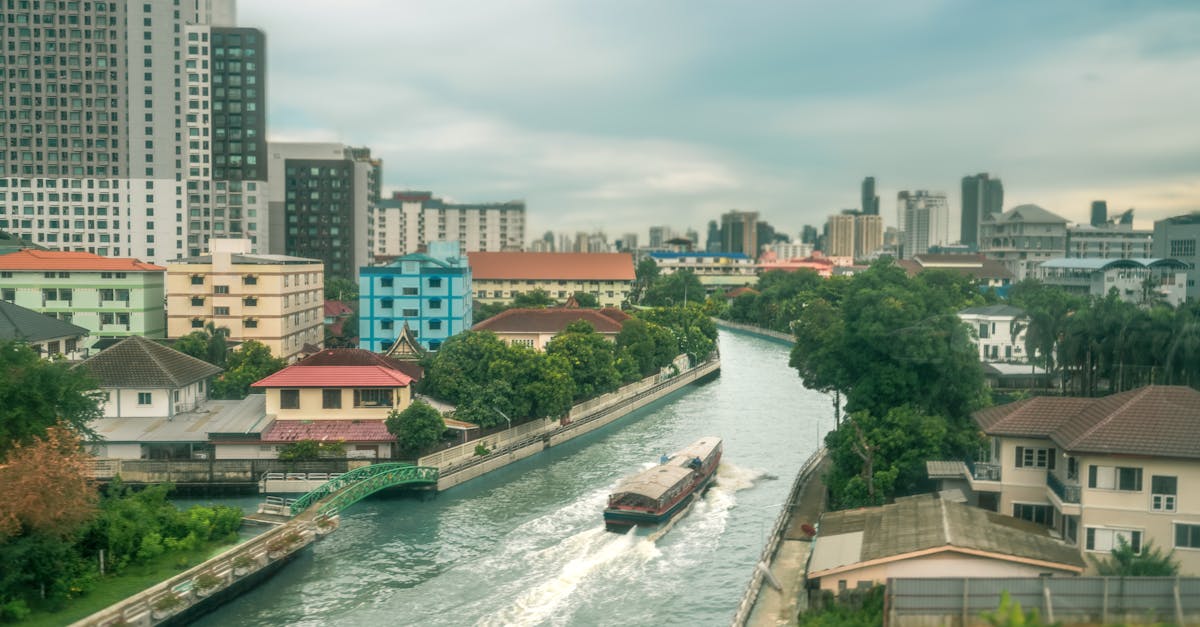
 This photo was taken by Alexander Taranenko on Pexels.
Welcome to the Land of Smiles! As your local guide, I know that Bangkok is a vibrant city that never sleeps, offering everything from bustling street markets and ancient temples to world-class dining. However, with its tropical climate and year-round energy, choosing the perfect moment to arrive can make all the difference in your experience. Whether you are seeking cool breezes for temple hopping, looking to avoid the throngs of tourists, or hoping to witness the dazzling lights of Songkran, this guide will help you navigate the nuances of timing your trip. Let's dive into the best time to visit Bangkok so you can immerse yourself in the culture while enjoying the weather at its finest.
Navigating Bangkok's Three Seasons: When to Visit for Comfort
Understanding Bangkok's unique climate is essential for planning a comfortable trip, as the city experiences three distinct seasons rather than the traditional four. The cool season, stretching from November to February, offers the most pleasant weather with temperatures hovering between 25°C and 32°C (77°F–90°F) and lower humidity, making it ideal for exploring open-air markets and temple complexes without feeling overwhelmed by the heat. During this period, you will also find the sky often clearer, providing perfect conditions for rooftop dinners and evening walks along the Chao Phraya River, though it coincides with the peak tourist influx, so booking accommodations in advance is highly recommended.
Conversely, the hot season from March to June brings scorching temperatures that can soar well above 35°C (95°F), often accompanied by high humidity that makes outdoor activities feel more strenuous; however, this time offers fewer crowds and vibrant local festivals like Songkran, where the streets come alive with water fights that provide a refreshing escape from the heat. While the rainy season from July to October features frequent but usually short downpours that can temporarily clear the air and lower temperatures, visitors should be prepared for sudden showers and potential traffic delays. Despite these challenges, the greenery of the city flourishes during these months, and hotel rates often drop significantly, offering a budget-friendly alternative for travelers who don't mind embracing the tropical rhythm of the city.
 This photo was taken by Musaddek Sayek on Pexels.
Escaping the Crowds: Timing Your Trip for Fewer Tourists
To truly experience the soul of Bangkok without feeling overwhelmed by the throngs of visitors, timing your arrival is just as crucial as choosing the right neighborhood. The city's peak tourist season coincides with the cool, dry winter months from November to February, when the weather is pleasant but the streets around major attractions like the Grand Palace and Wat Arun are packed shoulder-to-shoulder. If you prefer a more relaxed pace where you can savor street food stalls without jostling for space or take photos in peace, consider planning your trip during the shoulder seasons of late March or October; during these transitional months, the crowds thin out significantly while the weather remains manageable, offering a more authentic glimpse into daily Thai life away from the tourist traps.
While avoiding the holiday rush is key, it is also worth noting that the rainy season from May to September offers its own unique advantages for the adventurous traveler seeking solitude. Although afternoon showers are common, they often clear quickly, leaving behind lush greenery and a vibrant atmosphere at a fraction of the usual cost for accommodation. By visiting between June and August, you might find yourself exploring the floating markets or navigating the Chao Phraya River with far fewer boats clogging the waterways, allowing for a serene connection with the city that many overlook. Just remember to pack a light raincoat and embrace the spontaneity of tropical storms, which can turn a busy day into a quiet, reflective moment in this bustling metropolis.
 This photo was taken by Erik Mclean on Pexels.
Immersing Yourself in Culture: Major Festivals and Events
Nothing captures the vibrant soul of Bangkok quite like its spectacular festivals, which turn the city into a living canvas of color, sound, and tradition. The most anticipated event is undoubtedly Songkran in mid-April, where the entire city transforms into a massive water festival celebrating the Thai New Year; locals and tourists alike engage in friendly water battles that cool down the sweltering heat while honoring ancestral customs. For those who prefer visual splendor over wet chaos, Loy Krathong in November offers a magical evening experience as thousands of illuminated floating baskets are released onto the Chao Phraya River and canals, creating a mesmerizing reflection of light against the night sky alongside stunning fireworks displays.
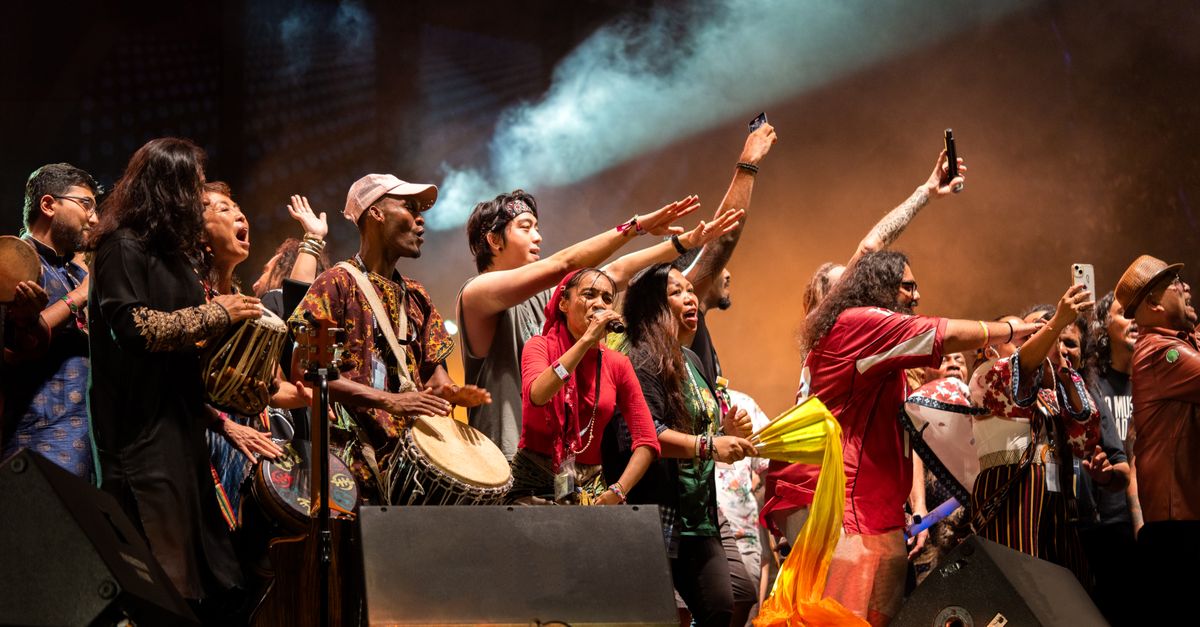
Beyond these iconic celebrations, Bangkok's cultural calendar is packed with events that offer deep insights into Thai heritage, such as the Royal Ploughing Ceremony in May or the lively Vegetarian Festival in September, where streets fill with colorful processions and devotees perform unique rituals. Participating in these festivities provides an unparalleled opportunity to connect with local communities, understand Buddhist traditions, and witness the warmth of Thai hospitality firsthand. Whether you are joining in the rhythmic drumming of a temple fair or savoring special seasonal treats at a street market during a holiday, these events ensure your visit goes far beyond sightseeing, offering a genuine immersion into the heart and spirit of Thailand.
 This photo was taken by Asha Hairy on Pexels.