Avoiding Tourist Traps: Honest Reviews of Popular Bangkok Attractions
 This photo was taken by Erik Mclean on Pexels.
Welcome to the heart of Siam! As your local guide, I know that Bangkok is a city of dazzling contrasts, where ancient temples stand shoulder-to-shoulder with neon-lit skyscrapers. Yet, for many visitors, the sheer volume of information can turn a dream vacation into a confusing maze of overpriced tours and inauthentic experiences. In this post, we cut through the noise to bring you honest, ground-level perspectives on the city's most famous spots. From the breathtaking but overwhelming crowds at The Grand Palace to the chaotic charm of Chatuchak Weekend Market, and finally, the crucial question of whether our floating markets are living traditions or staged performances, join me as we uncover the real Bangkok beyond the tourist traps.
The Grand Palace: Magnificence vs. The Crowded Tourist Trail
 This photo was taken by Marcelo Verfe on Pexels.
Chatuchak Weekend Market: Navigating the Labyrinth of Authenticity
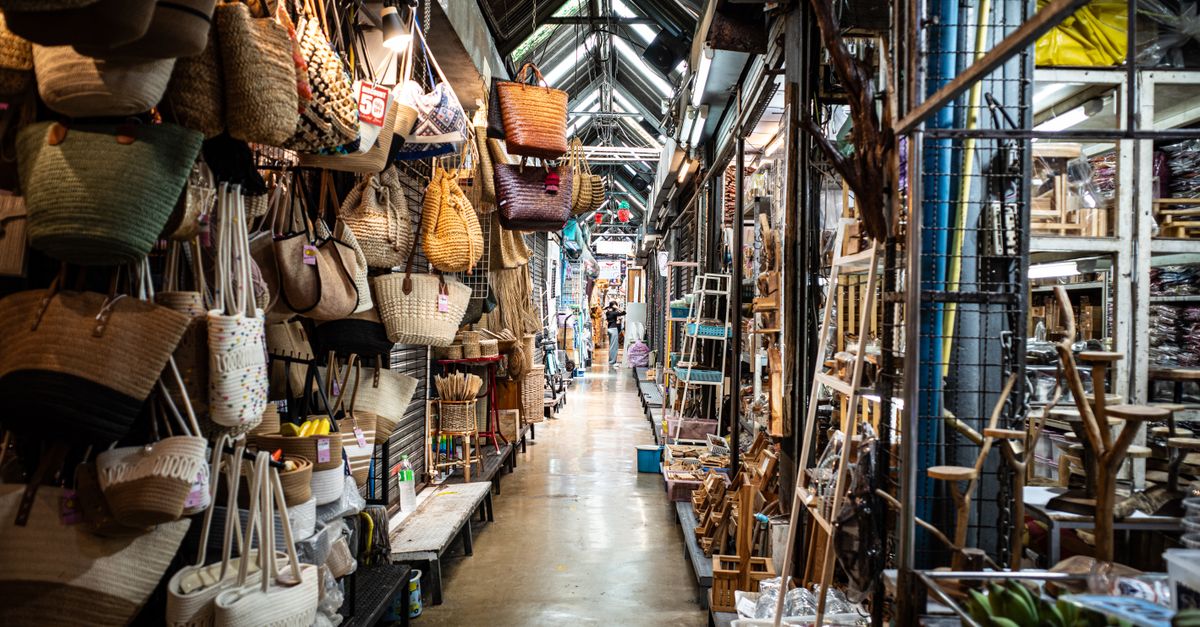
Navigating the Chatuchak Weekend Market is less like a simple shopping trip and more like embarking on an adventurous expedition through one of the world's largest labyrinths, where authenticity thrives amidst the organized chaos. While many tourists get lost in the maze of aisles 1 through 40, seeking out the lesser-known sections often reveals the true spirit of Bangkok, far removed from the overpriced trinkets found near the main entrances. Here, you will find local artisans selling hand-woven silk, vintage collectors hunting for rare antiques, and street food vendors serving up legendary dishes like mango sticky rice or grilled pork skewers at prices that reflect genuine Thai hospitality rather than tourist markup.
To truly experience this market without falling into common traps, embrace the heat and bring your bargaining skills, as haggling is not just expected but celebrated as a social interaction that connects buyer and seller. The most authentic finds are often tucked away in the back corners or during the earlier hours when locals first arrive to stock up on fresh produce and household goods before the international crowds descend. By venturing beyond the glossy souvenir stalls and engaging with the stall owners about their craft, you transform a potentially overwhelming tourist attraction into a memorable cultural immersion, discovering why this weekend institution remains the beating heart of Bangkok's commercial life.
 This photo was taken by World Edits on Pexels.
Floating Markets: Real Experiences or Staged Performances?
When planning your visit to Bangkok, the question of whether floating markets are authentic or merely tourist traps is a common one, and the answer depends entirely on which market you choose. Markets like Damnoen Saduak and Amphawa have unfortunately become highly commercialized stages where vendors row boats in choreographed patterns specifically for photo opportunities, often selling identical souvenirs at inflated prices rather than fresh local produce. In these crowded venues, the atmosphere feels more like a performance designed for cameras than a genuine marketplace, leading many seasoned travelers to feel disconnected from the true culture they seek.
However, not all floating markets are staged; by venturing slightly further from the city center or choosing less famous alternatives like Khlong Lat Mayom, you can still find an authentic experience that preserves the traditional spirit of Thai commerce. Here, you will see locals buying and selling their own harvests, enjoying street food prepared right on their boats, and engaging in natural interactions without the constant pressure of guided tours. To ensure you get the real deal, it is best to arrive early in the morning before the tour buses descend, allowing you to witness the daily rhythm of life along the canals that has defined this region for centuries.
 This photo was taken by DeLuca G on Pexels.